12 Egg-Based High-Protein Breakfast Meal Prep Ideas
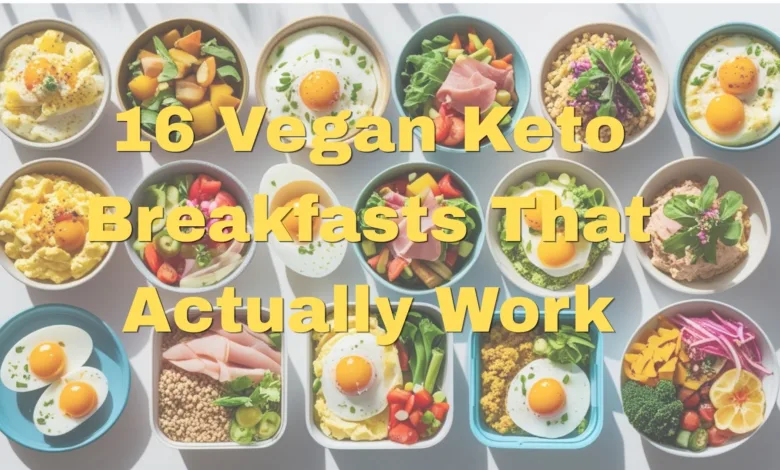
Eggs are the ultimate meal prep MVP. Affordable, versatile, and packed with high-quality protein – one large egg delivers about 6 grams of protein – they’re the backbone of any serious high-protein breakfast strategy. Whether you’re fueling morning workouts or just trying to stay full until lunch, these 12 egg-based meal prep ideas have you covered.
The Real Benefits of Egg-Based High-Protein Breakfast Meal Prep – And What to Expect
Let’s be honest. Starting a meal prep routine sounds great in theory, but sticking with it is a different story. So before you crack your first egg, let’s talk about why these recipes are genuinely worth your time – and what changes you can realistically expect when you make high-protein egg-based breakfasts a weekly habit.
What Makes Eggs the Perfect Meal Prep Protein?
Eggs aren’t just convenient – they’re nutritionally exceptional. And the science backs it up.

- Complete protein source – Eggs contain all nine essential amino acids, making them one of the few whole foods classified as a complete protein. Your muscles love this.
- Highest biological value of any food protein – With a biological value (BV) of 100, eggs are the gold standard against which all other protein sources are measured.
- Nutrient density beyond protein – Each egg delivers vitamin B12, vitamin D, choline, selenium, and healthy fats — nutrients that support brain function, hormone health, and energy metabolism.
- Affordable and accessible – Dollar for dollar, eggs are one of the cheapest high-quality protein sources available at any grocery store, anywhere in the world.
- Incredibly versatile – Baked, scrambled, poached, or boiled – eggs adapt to virtually any flavor profile, cuisine, or dietary preference without losing their nutritional punch.
The Health Benefits You Can Expect From These Recipes
1. Sustained Energy Throughout the Morning
One of the first things you’ll notice – usually within the first week – is that mid-morning energy crash disappearing. High-protein breakfasts stabilize blood sugar levels far more effectively than carbohydrate-heavy options like cereal or toast. When your blood sugar stays steady, so does your energy, your focus, and your mood. No more 10 a.m. brain fog.
2. Reduced Hunger and Fewer Cravings
Protein is the most satiating macronutrient – full stop. Eating 30g+ of protein at breakfast triggers the release of satiety hormones like peptide YY and GLP-1, while suppressing ghrelin, the hunger hormone. In practical terms? You’ll feel genuinely full until lunchtime, and those mid-morning snack urges will fade significantly. Studies have shown that a high-protein breakfast can reduce daily calorie intake by up to 400 calories — without any conscious restriction.
3. Muscle Maintenance and Growth
Whether you’re hitting the gym or simply trying to preserve lean muscle as you age, a protein-rich breakfast is non-negotiable. Consuming adequate protein in the morning kicks off muscle protein synthesis – the process your body uses to repair and build muscle tissue. For active individuals, pairing these egg-based breakfasts with resistance training creates the perfect anabolic environment for muscle growth and recovery.
4. Better Weight Management
Here’s something worth knowing: the thermic effect of protein means your body actually burns more calories digesting protein than it does digesting fats or carbohydrates. Protein has a thermic effect of around 20–30%, compared to just 5–10% for carbs. That means simply eating these high-protein breakfasts gives your metabolism a subtle but meaningful boost every single morning.
5. Improved Mental Clarity and Focus
Eggs are one of the richest dietary sources of choline — a nutrient used to produce acetylcholine, a neurotransmitter critical for memory, focus, and cognitive performance. Starting your day with eggs isn’t just good for your body. It’s genuinely good for your brain. Many people report sharper morning focus and improved mental clarity within weeks of switching to a protein-forward breakfast routine.
6. Time and Stress Savings That Actually Add Up
This one isn’t talked about enough. Decision fatigue is real, and it starts the moment your alarm goes off. When breakfast is already made, portioned, and waiting in the fridge, you eliminate an entire category of morning stress. Over the course of a week, that’s five fewer decisions, five fewer chances to grab something unhealthy out of convenience, and five mornings that start just a little bit smoother.
What to Realistically Expect Week by Week
Week 1 — The Adjustment The first week is about building the habit, not perfecting it. You might find that some recipes take longer than expected or that portion sizes need tweaking. That’s normal. Focus on consistency over perfection. Most people notice they feel fuller in the mornings almost immediately.
Week 2 — The Momentum By week two, the prep routine starts to feel more natural. You’ll get faster, more efficient, and more confident with the recipes. Energy levels tend to stabilize noticeably around this point, and the mid-morning snack habit begins to fade.
Week 3 — The Results This is where things get interesting. Reduced bloating, more consistent energy, better workout performance, and — for those with weight loss goals — the scale often starts to reflect the change. More importantly, the habit feels genuinely sustainable rather than forced.
Week 4 and Beyond — The Lifestyle Shift At this point, high-protein breakfast meal prep stops being something you do and becomes something you are. It’s part of your routine, your identity, and your results. Many people at this stage start experimenting with new recipes, adjusting macros, and even expanding their meal prep to lunch and dinner.
Who Will Benefit Most From These Recipes?
These egg-based meal prep ideas aren’t one-size-fits-all — but they come pretty close. Here’s who stands to gain the most:
- Gym-goers and athletes looking to optimize muscle recovery and morning performance
- Busy professionals who need a fast, nutritious breakfast without the morning chaos
- People on a weight loss journey who want to reduce hunger and control calorie intake naturally
- Anyone over 40 where preserving lean muscle mass becomes increasingly important
- Beginners to meal prep who want simple, foolproof recipes with a high nutritional payoff
- Budget-conscious eaters who want maximum nutrition for minimum cost
A Word on Consistency
No recipe, no matter how nutritious, delivers results without consistency. The beauty of meal prep is that it removes the friction between intention and action. You don’t have to feel motivated every morning to eat well — the decision is already made, the food is already there.
Start with just two or three recipes from this list. Build your confidence. Refine your process. And trust that small, consistent actions compound into significant, lasting results.
Because at the end of the day, the best breakfast is the one you actually eat — and with these recipes prepped and ready to go, there’s every reason to make it a great one.
Ready to take your meal prep further? Explore our full library of high-protein recipes, macro guides, and weekly meal prep plans to build a nutrition routine that works for your lifestyle and your goals.
Vegan keto cookbook recipes! Click HERE!
12 Recipes
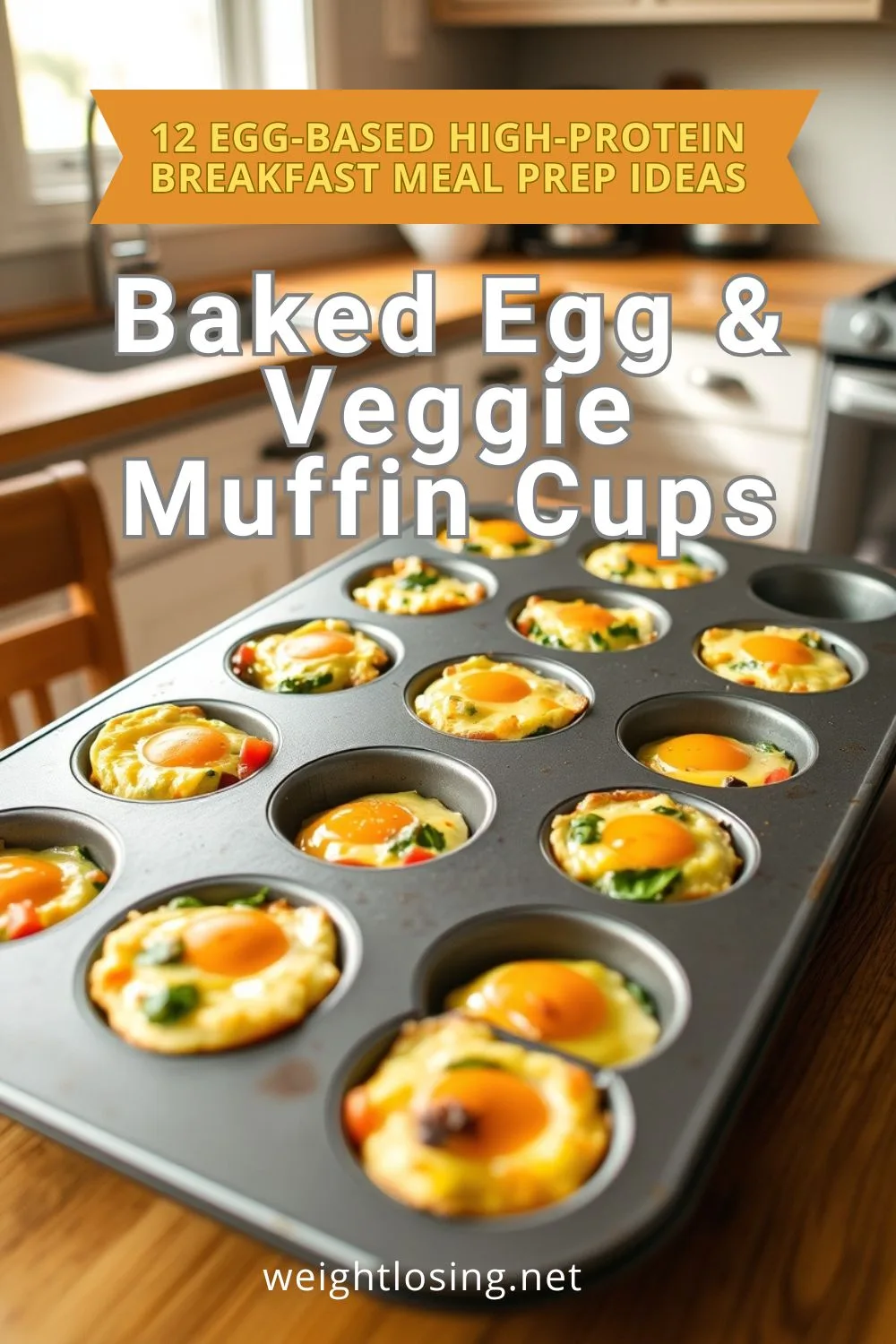
1. Baked Egg & Veggie Muffin Cups
Ingredients
- 12 large eggs
- ½ cup diced bell peppers
- ½ cup spinach, chopped
- ¼ cup shredded cheddar cheese
- Salt, pepper, garlic powder to taste
How to Make It Preheat oven to 375°F. Grease a 12-cup muffin tin. Divide veggies evenly across cups. Whisk eggs with seasoning and pour over veggies. Top with cheese. Bake 18–20 minutes until set.
Tips for Success Store in an airtight container up to 5 days. Reheat 30–45 seconds in the microwave. Add turkey sausage crumbles for an extra protein boost.
(Per serving: 3 muffin cups)
| Nutrient | Amount |
|---|---|
| Calories | 210 kcal |
| Protein | 18g |
| Carbohydrates | 4g |
| Fat | 14g |
| Fiber | 1g |
| Sugar | 2g |
| Sodium | 320mg |
💡 Boost to 30g+: Add 2 turkey sausage crumbles per cup or serve alongside a Greek yogurt pot.
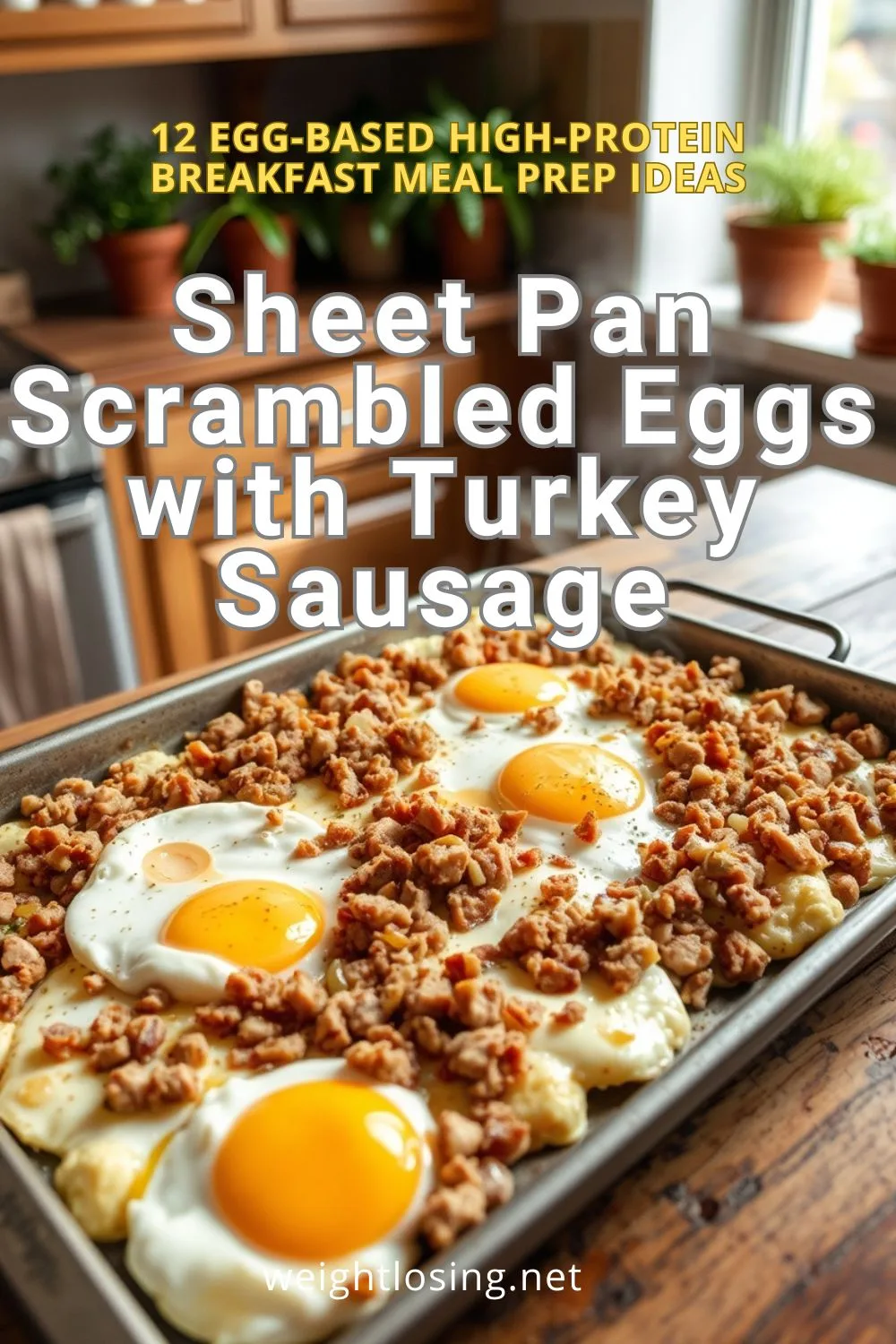
2. Sheet Pan Scrambled Eggs with Turkey Sausage
Ingredients
- 10 large eggs
- ½ cup milk
- 200g turkey sausage, crumbled and cooked
- ½ cup diced onion
- Salt and pepper to taste
How to Make It Preheat oven to 350°F. Whisk eggs and milk together. Pour onto a greased sheet pan. Scatter sausage and onions on top. Bake 15–18 minutes, stirring once halfway through.
Tips for Success Slightly undercook — eggs continue cooking as they cool. Portion into containers immediately for even macro distribution.
(Per serving: ¼ of pan)
| Nutrient | Amount |
|---|---|
| Calories | 295 kcal |
| Protein | 28g |
| Carbohydrates | 3g |
| Fat | 18g |
| Fiber | 0.5g |
| Sugar | 1g |
| Sodium | 480mg |
💡 Boost to 30g+: Add an extra egg white or a slice of lean Canadian bacon on the side.
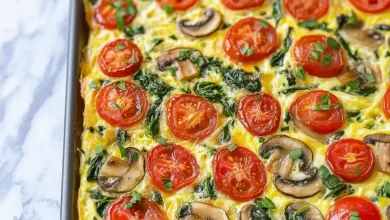
3. Crustless Spinach & Feta Quiche
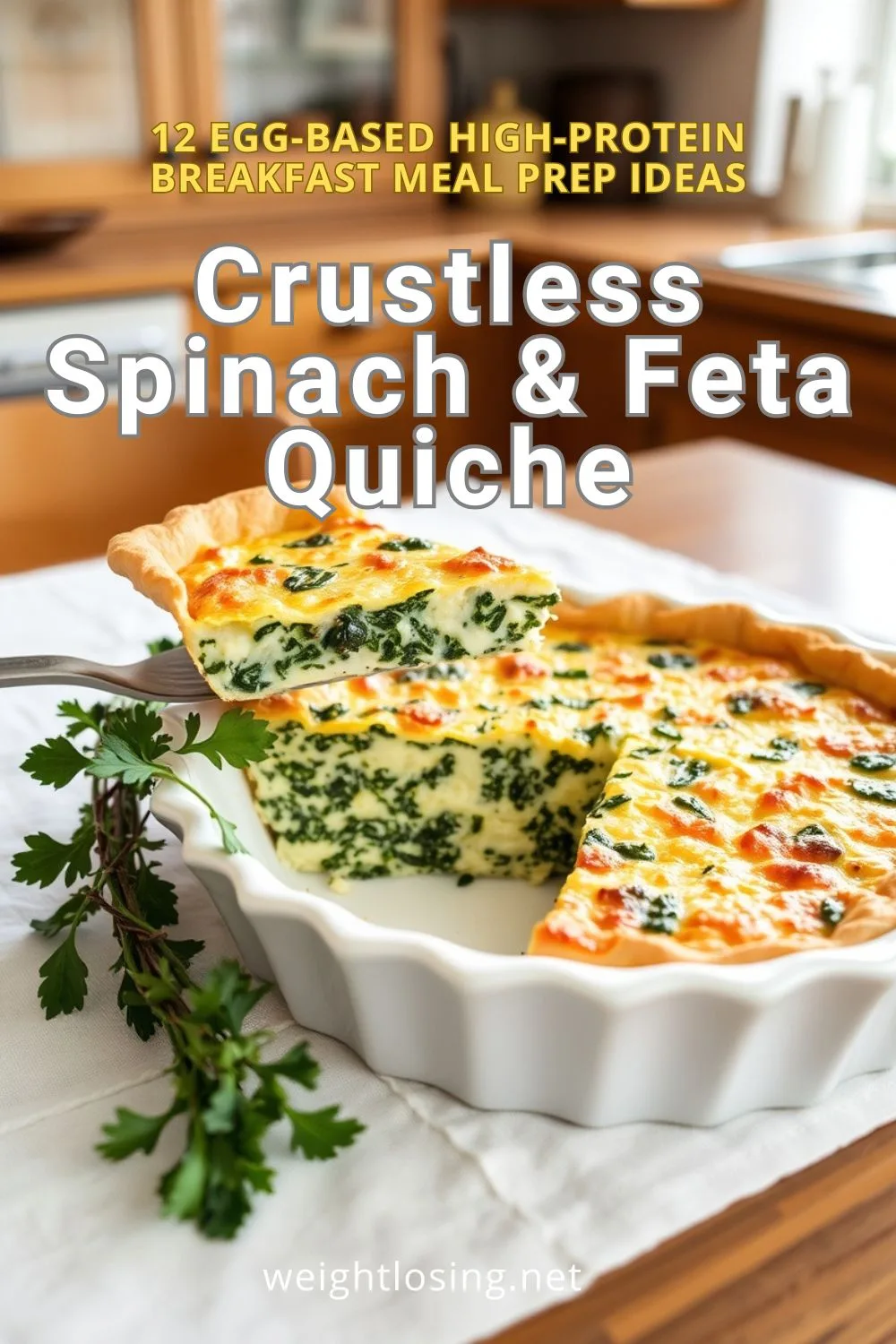
Ingredients
- 8 large eggs
- ½ cup milk or cream
- 1 cup fresh spinach
- ½ cup crumbled feta cheese
- ¼ tsp nutmeg, salt, pepper
How to Make It Preheat oven to 375°F. Whisk eggs, milk, and seasoning. Fold in spinach and feta. Pour into a greased 9-inch pie dish. Bake 30–35 minutes until golden and set.
Tips for Success Let cool completely before slicing into portions. Freezes beautifully — wrap individual slices in foil for up to 3 months.
(Per serving: 1 slice, ⅙ of quiche)
| Nutrient | Amount |
|---|---|
| Calories | 185 kcal |
| Protein | 14g |
| Carbohydrates | 3g |
| Fat | 13g |
| Fiber | 0.5g |
| Sugar | 1.5g |
| Sodium | 390mg |
💡 Boost to 30g+: Pair with a side of smoked salmon or a high-protein cottage cheese cup.
4. Turkey & Egg White Breakfast Burritos
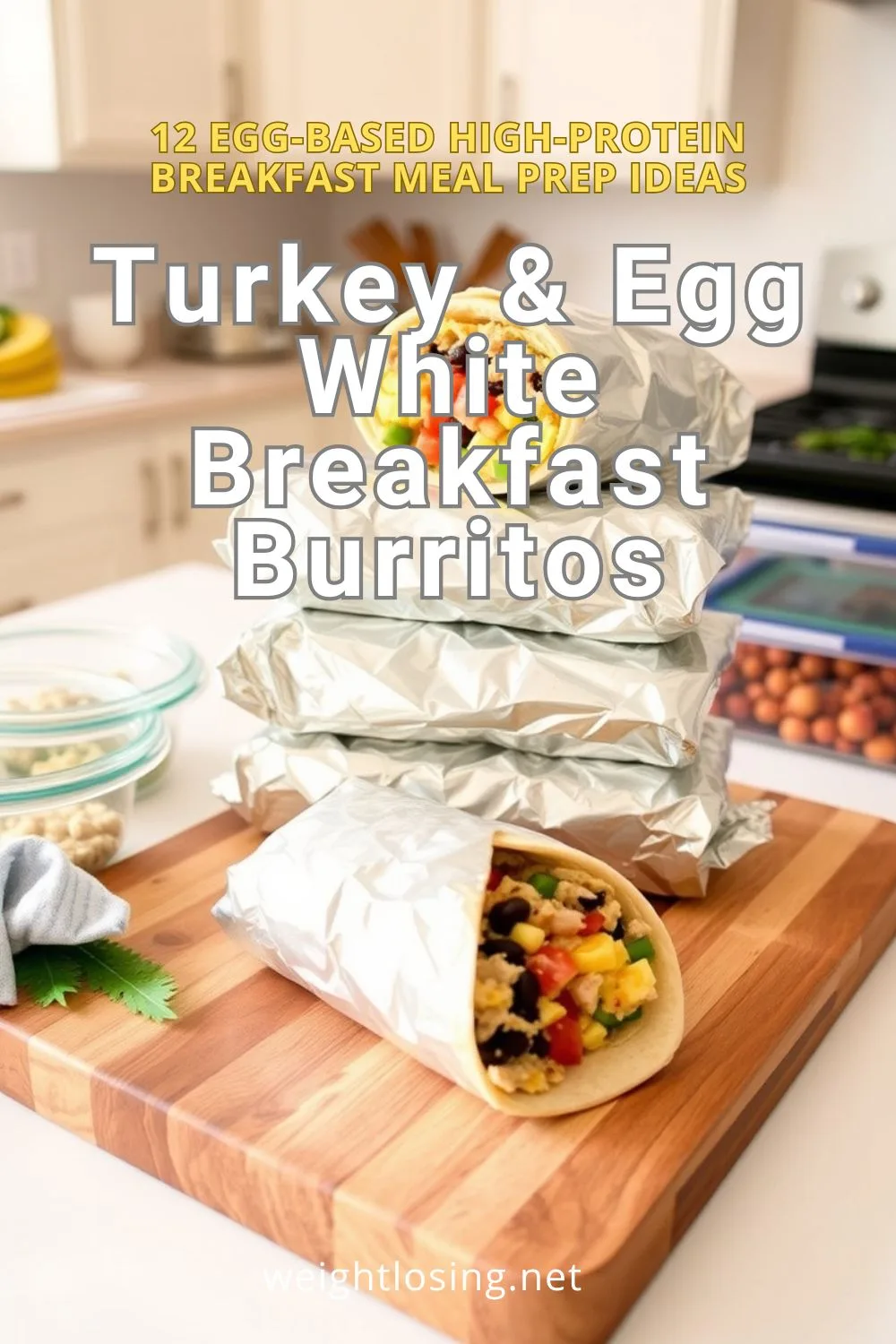
Ingredients
- 1 cup liquid egg whites
- 150g lean ground turkey, cooked
- ¼ cup black beans
- 4 whole wheat tortillas
- ¼ cup salsa, shredded cheese
How to Make It Scramble egg whites in a pan until just set. Mix in turkey and black beans. Spoon filling into tortillas, top with salsa and cheese, and wrap tightly in foil.
Tips for Success Freeze individually wrapped burritos. Microwave from frozen for 2–3 minutes, flipping halfway. These hit 30g+ protein per burrito easily.
(Per serving: 1 burrito)
| Nutrient | Amount |
|---|---|
| Calories | 380 kcal |
| Protein | 34g |
| Carbohydrates | 32g |
| Fat | 9g |
| Fiber | 5g |
| Sugar | 2g |
| Sodium | 620mg |
💡 Already hits 30g+! Swap whole wheat tortilla for a low-carb version to reduce carbs further.
5. Greek-Style Egg & Chicken Breakfast Bowl
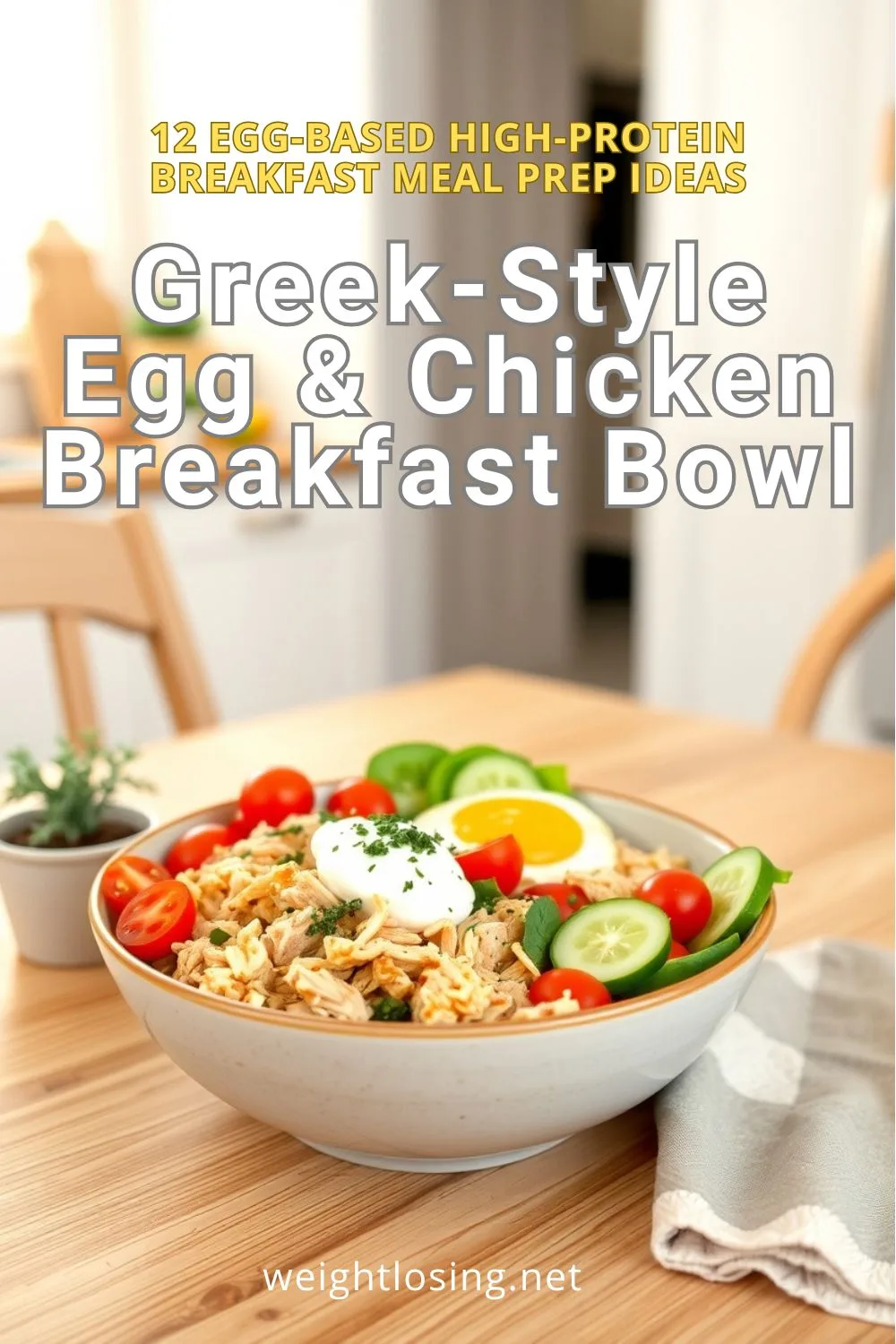
Ingredients
- 3 large eggs
- 100g shredded rotisserie chicken
- ½ cup cherry tomatoes, halved
- ¼ cup diced cucumber
- 2 tbsp tzatziki
How to Make It Scramble or soft-boil eggs to your preference. Assemble bowls with chicken, veggies, and eggs. Add a dollop of tzatziki on top. Store dressing separately until ready to eat.
Tips for Success Use rotisserie chicken to cut prep time dramatically. Keep tzatziki in a small separate container to avoid soggy bowls.
(Per serving: 1 bowl)
| Nutrient | Amount |
|---|---|
| Calories | 340 kcal |
| Protein | 36g |
| Carbohydrates | 8g |
| Fat | 16g |
| Fiber | 2g |
| Sugar | 3g |
| Sodium | 410mg |
💡 Already hits 30g+! One of the highest protein bowls on the list — great post-workout option.
6. Egg & Sweet Potato Breakfast Skillet
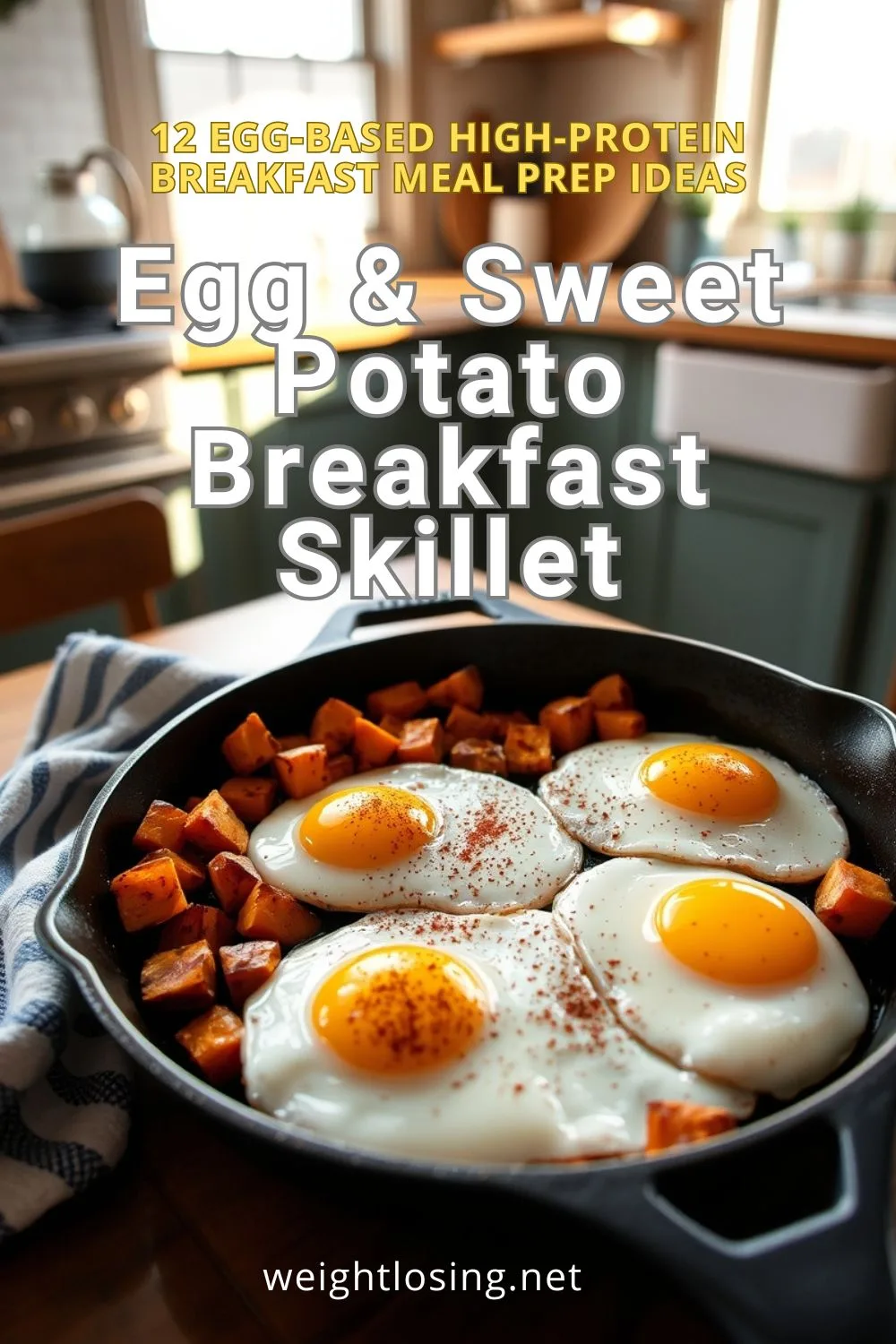
Ingredients
- 6 large eggs
- 2 medium sweet potatoes, diced and roasted
- ½ cup diced red onion
- 1 tsp smoked paprika
- Salt, pepper, olive oil
How to Make It Roast sweet potatoes at 400°F for 20 minutes. Sauté onion in an oven-safe skillet. Add potatoes, crack eggs on top, and bake at 375°F for 10–12 minutes until eggs are just set.
Tips for Success Batch roast sweet potatoes separately and use throughout the week. This recipe is easily doubled for a full week of breakfasts.
(Per serving: ¼ of skillet)
| Nutrient | Amount |
|---|---|
| Calories | 310 kcal |
| Protein | 18g |
| Carbohydrates | 28g |
| Fat | 12g |
| Fiber | 4g |
| Sugar | 6g |
| Sodium | 340mg |
💡 Boost to 30g+: Add crumbled turkey sausage or a scoop of egg whites into the skillet before baking.
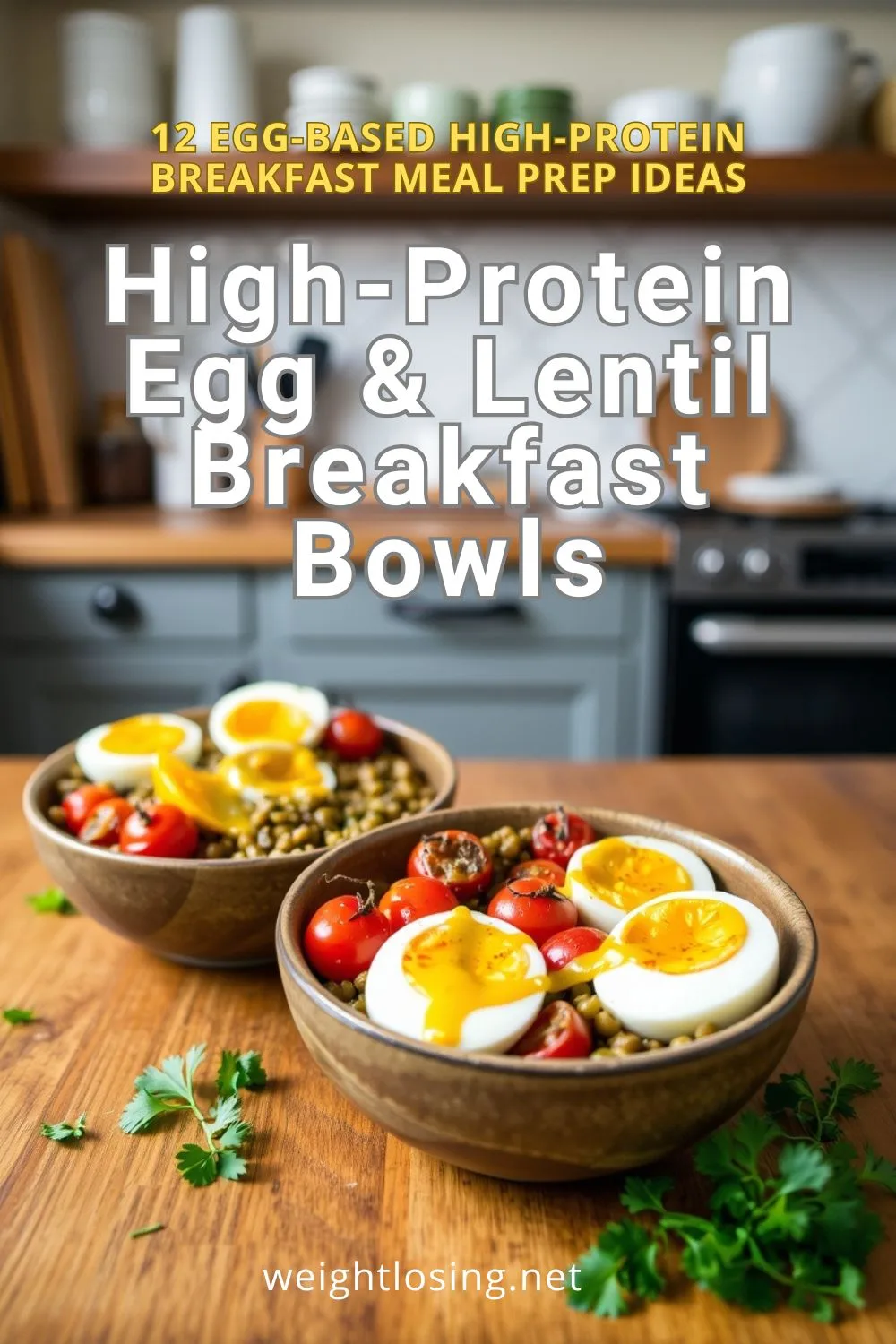
7. High-Protein Egg & Lentil Breakfast Bowls
Ingredients
- 4 large eggs, hard-boiled and halved
- 1 cup cooked green lentils
- ½ cup roasted cherry tomatoes
- 1 tbsp tahini dressing
- Fresh parsley, salt, cumin
How to Make It Cook lentils according to package instructions. Season with cumin and salt. Roast tomatoes at 400°F for 15 minutes. Assemble bowls with lentils, tomatoes, eggs, and a drizzle of tahini.
Tips for Success Lentils and roasted tomatoes store well for up to 4 days. Add eggs fresh or pre-boil and store unpeeled in the fridge for up to a week.
(Per serving: 1 bowl)
| Nutrient | Amount |
|---|---|
| Calories | 355 kcal |
| Protein | 28g |
| Carbohydrates | 34g |
| Fat | 10g |
| Fiber | 9g |
| Sugar | 4g |
| Sodium | 370mg |
💡 Boost to 30g+: Add an extra hard-boiled egg or a tablespoon of hemp seeds on top.
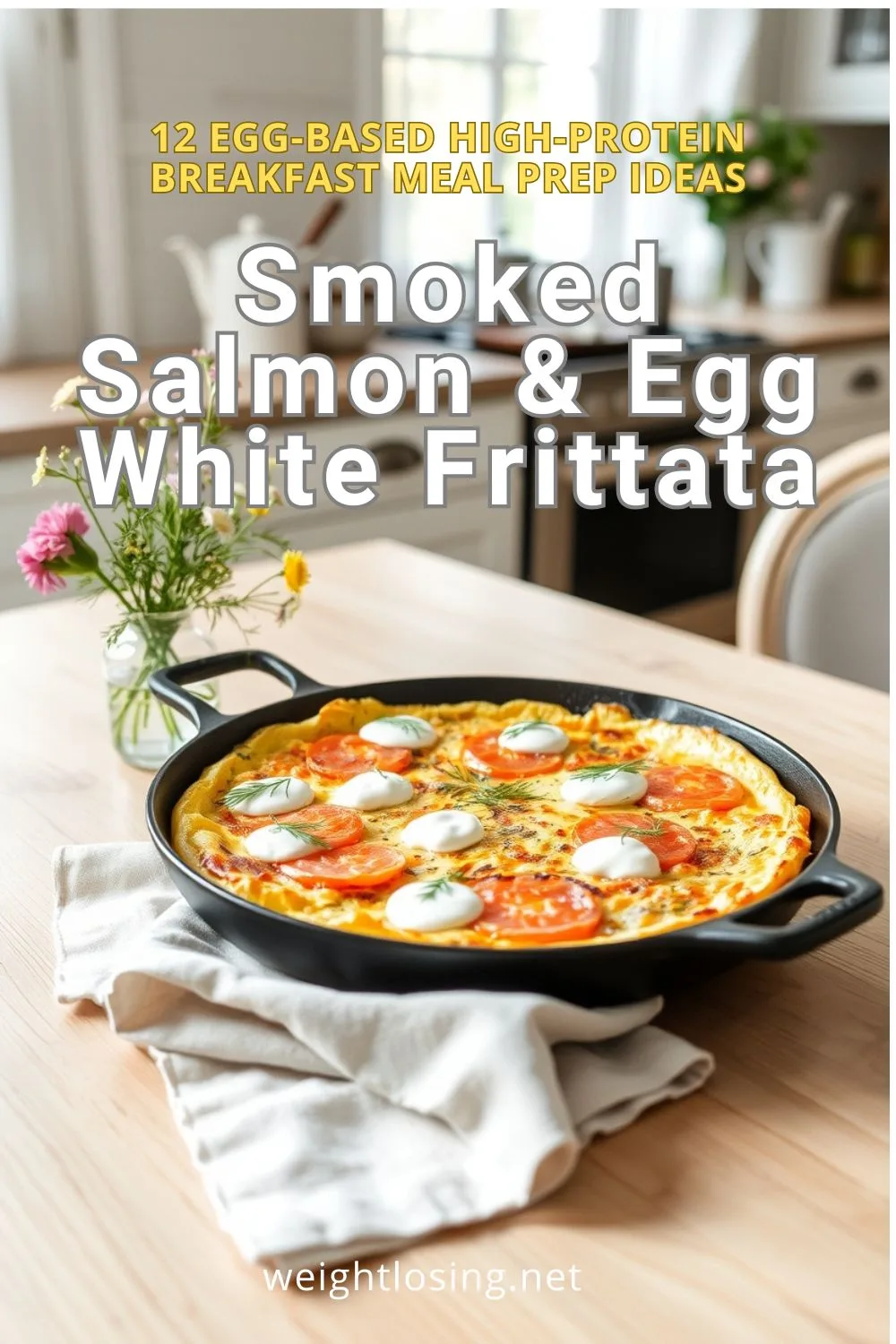
8. Smoked Salmon & Egg White Frittata
Ingredients
- 6 large eggs + 4 egg whites
- 100g smoked salmon, torn
- 2 tbsp cream cheese
- 1 tbsp capers
- Fresh dill, black pepper
How to Make It Whisk eggs and egg whites. Pour into an oven-safe skillet over medium heat. Add salmon, dollops of cream cheese, and capers. Bake at 375°F for 12–15 minutes until puffed and golden.
Tips for Success Don’t overcook — the frittata will firm up as it cools. Slice into wedges and store in the fridge for up to 4 days. Elegant enough for guests, easy enough for Sunday prep.
(Per serving: ¼ of frittata)
| Nutrient | Amount |
|---|---|
| Calories | 265 kcal |
| Protein | 30g |
| Carbohydrates | 2g |
| Fat | 15g |
| Fiber | 0g |
| Sugar | 1g |
| Sodium | 680mg |
💡 Already hits 30g+! Lowest carb option on the list — ideal for keto or low-carb eating plans.
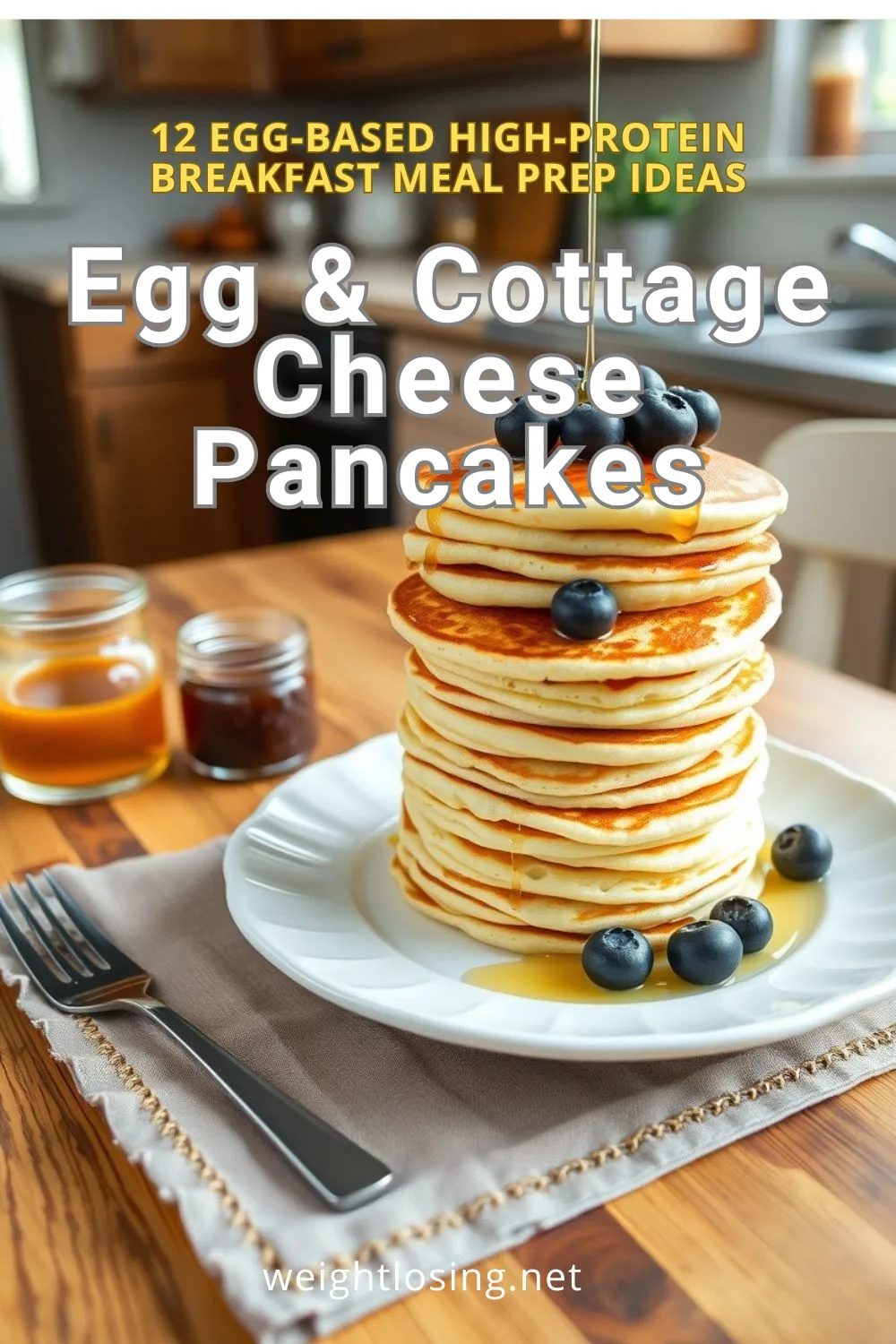
9. Egg & Cottage Cheese Pancakes
Ingredients
- 4 large eggs
- 1 cup cottage cheese (full fat)
- ½ cup rolled oats
- 1 tsp vanilla extract
- Pinch of cinnamon and salt
How to Make It Blend all ingredients until smooth. Heat a non-stick pan over medium. Pour ¼ cup batter per pancake. Cook 2–3 minutes per side until golden. Makes about 8 pancakes.
Tips for Success Stack cooled pancakes with parchment between each layer before storing. Reheat in a toaster for a crispy edge. Each serving of 3–4 pancakes delivers close to 30g protein.
(Per serving: 3–4 pancakes)
| Nutrient | Amount |
|---|---|
| Calories | 320 kcal |
| Protein | 28g |
| Carbohydrates | 22g |
| Fat | 12g |
| Fiber | 2g |
| Sugar | 4g |
| Sodium | 290mg |
💡 Boost to 30g+: Top with a dollop of Greek yogurt instead of syrup for an extra 5–6g of protein.
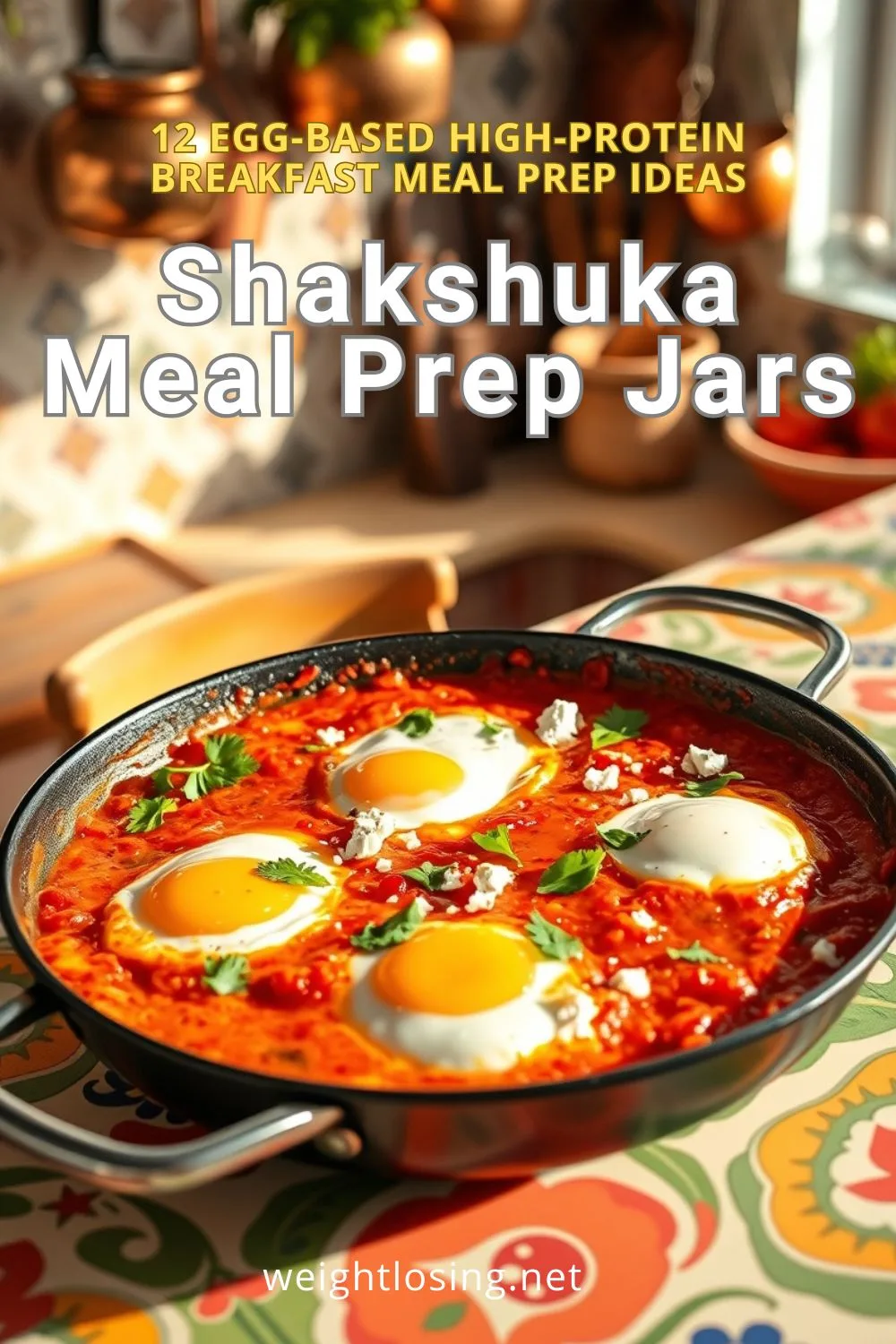
10. Shakshuka Meal Prep Jars
Ingredients
- 6 large eggs
- 1 can (400g) crushed tomatoes
- ½ cup diced red pepper
- 1 tsp cumin, 1 tsp paprika
- Fresh parsley, feta to garnish
How to Make It Simmer tomatoes, peppers, and spices in a skillet for 10 minutes. Create wells and crack in eggs. Cover and cook on low until whites are set but yolks are slightly runny. Portion into jars.
Tips for Success For meal prep, slightly undercook eggs — they’ll finish setting when reheated. Pair with a high-protein pita or add chickpeas to the sauce to push protein above 30g.
(Per serving: ¼ of skillet with 1–2 eggs)
| Nutrient | Amount |
|---|---|
| Calories | 230 kcal |
| Protein | 16g |
| Carbohydrates | 14g |
| Fat | 13g |
| Fiber | 3g |
| Sugar | 7g |
| Sodium | 510mg |
💡 Boost to 30g+: Add ½ cup of chickpeas to the tomato sauce and serve with a high-protein pita.
11. Hard-Boiled Egg & Avocado Protein Boxes
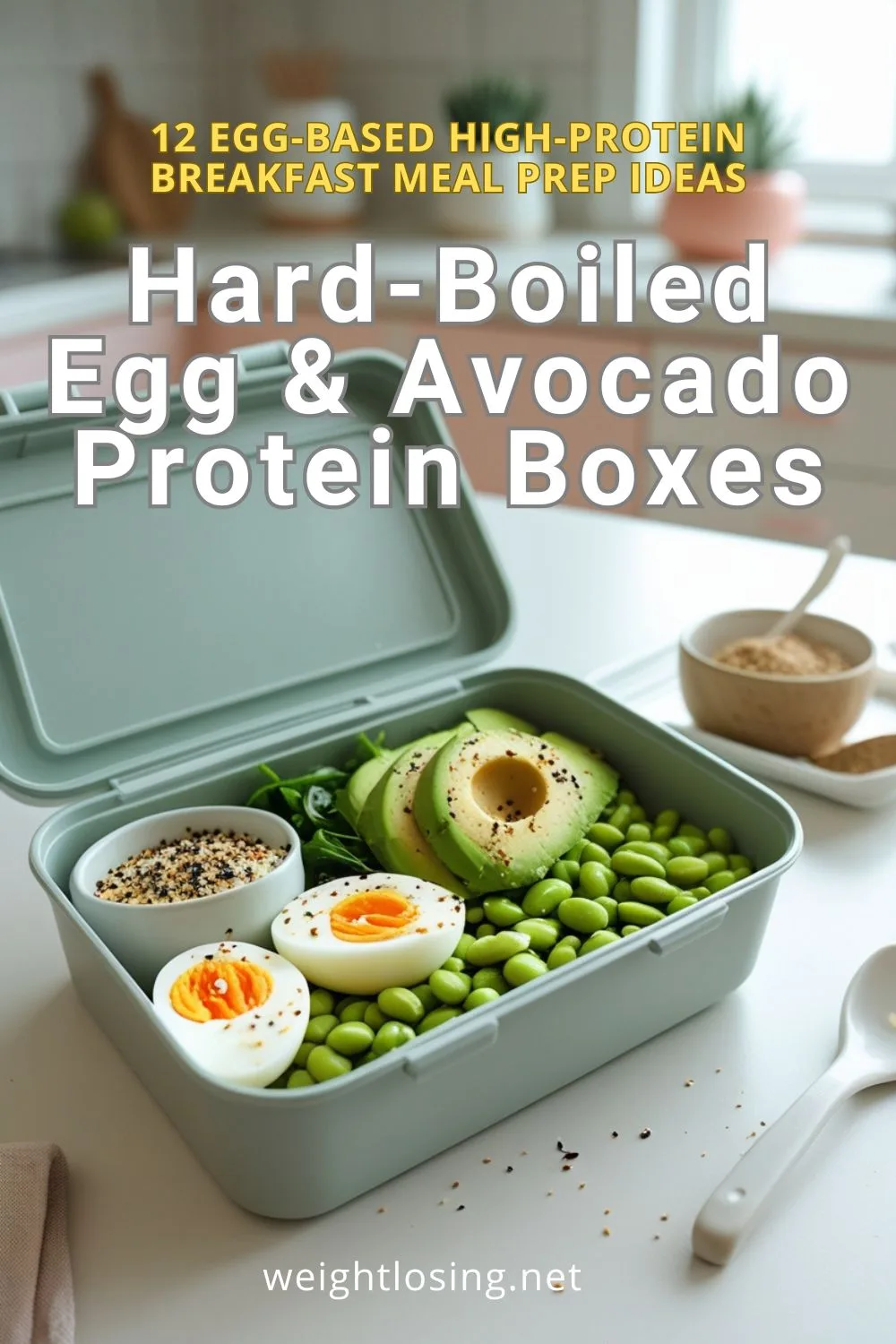
Ingredients
- 6 large eggs, hard-boiled
- 1 large avocado, sliced
- ½ cup edamame (shelled)
- Everything bagel seasoning
- Lemon juice, salt
How to Make It Hard-boil eggs using your preferred method (12 minutes in boiling water). Cool and peel. Divide eggs, avocado slices, and edamame into meal prep boxes. Season and squeeze lemon over avocado.
Tips for Success Leave eggs unpeeled until ready to eat for maximum freshness. Squeeze lemon juice over avocado and press plastic wrap directly on the surface to prevent browning.
(Per serving: 1 bento box)
| Nutrient | Amount |
|---|---|
| Calories | 350 kcal |
| Protein | 24g |
| Carbohydrates | 12g |
| Fat | 24g |
| Fiber | 7g |
| Sugar | 2g |
| Sodium | 300mg |
💡 Boost to 30g+: Add a small tin of tuna or a handful of shelled edamame to the box.
12. Egg & Quinoa Power Breakfast Bowls
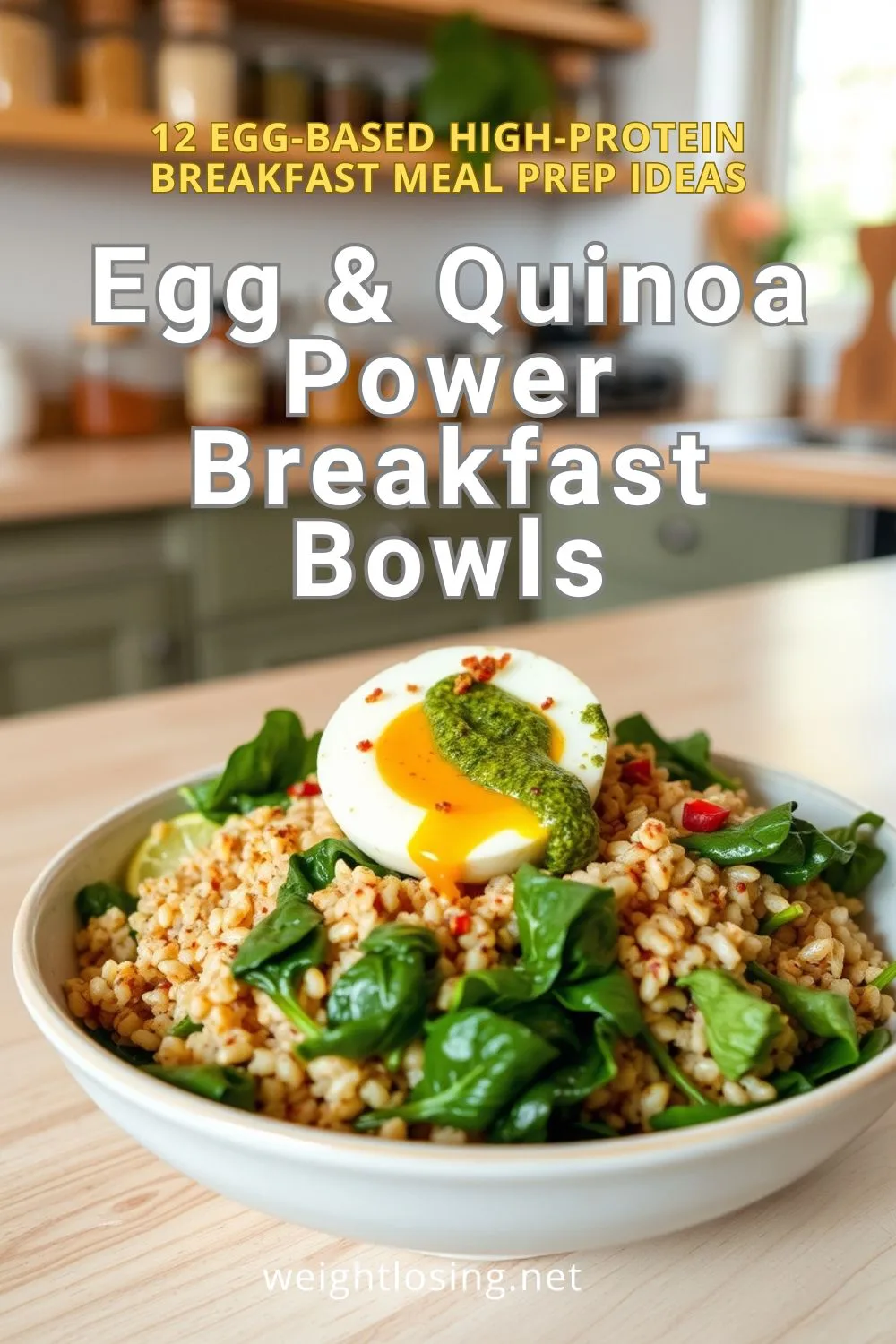
Ingredients
- 4 large eggs (poached or soft-boiled)
- 1 cup cooked quinoa
- 1 cup baby spinach, wilted
- 2 tbsp pesto or tahini
- Salt, pepper, red pepper flakes
How to Make It Cook quinoa and let cool. Wilt spinach briefly in a pan with olive oil. Assemble bowls: quinoa base, spinach, and egg on top. Drizzle with pesto or tahini. Season to taste.
Tips for Success Store eggs separately and place on top just before eating to maintain texture. Quinoa stays fresh up to 5 days — batch cook a big pot at the start of the week.
(Per serving: 1 bowl)
| Nutrient | Amount |
|---|---|
| Calories | 370 kcal |
| Protein | 22g |
| Carbohydrates | 38g |
| Fat | 14g |
| Fiber | 5g |
| Sugar | 3g |
| Sodium | 360mg |
💡 Boost to 30g+: Add an extra egg or a scoop of unflavored protein powder mixed into the pesto drizzle.
Vegan keto cookbook recipes! Click HERE!
Quick Comparison: All 12 Recipes at a Glance
| # | Recipe | Calories | Protein | Carbs | Fat | Hits 30g+? |
|---|---|---|---|---|---|---|
| 1 | Egg & Veggie Muffin Cups | 210 | 18g | 4g | 14g | With add-ons |
| 2 | Sheet Pan Eggs & Turkey Sausage | 295 | 28g | 3g | 18g | Nearly there |
| 3 | Crustless Spinach & Feta Quiche | 185 | 14g | 3g | 13g | With pairing |
| 4 | Turkey & Egg White Burritos | 380 | 34g | 32g | 9g | ✅ Yes |
| 5 | Greek Egg & Chicken Bowl | 340 | 36g | 8g | 16g | ✅ Yes |
| 6 | Egg & Sweet Potato Skillet | 310 | 18g | 28g | 12g | With add-ons |
| 7 | Egg & Lentil Breakfast Bowls | 355 | 28g | 34g | 10g | Nearly there |
| 8 | Smoked Salmon Frittata | 265 | 30g | 2g | 15g | ✅ Yes |
| 9 | Cottage Cheese Pancakes | 320 | 28g | 22g | 12g | Nearly there |
| 10 | Shakshuka Jars | 230 | 16g | 14g | 13g | With pairing |
| 11 | Egg & Avocado Protein Boxes | 350 | 24g | 12g | 24g | With add-ons |
| 12 | Egg & Quinoa Power Bowls | 370 | 22g | 38g | 14g | With add-ons |
FAQ Section: High-Protein Egg-Based Breakfast Meal Prep
Q: How many eggs should I buy for a full week of meal prep?
A: For a single person meal prepping breakfast five days a week using these recipes, plan on purchasing 2–3 dozen eggs per week. Most recipes call for 6–12 eggs per batch, and many of the higher-protein options combine whole eggs with liquid egg whites to maximize protein without excess calories from fat. Buying in bulk from a wholesale store like Costco or Sam’s Club will significantly cut your weekly grocery costs.
Q: How long do these egg-based meal prep recipes last in the fridge?
A: Most baked and cooked egg-based recipes — including frittatas, muffin cups, quiches, and breakfast bowls — stay fresh in the refrigerator for 4 to 5 days when stored in airtight containers. Shakshuka and scrambled egg dishes are best consumed within 3 to 4 days. For longer storage, freezer-friendly options like breakfast burritos and egg muffin cups can be frozen for up to 3 months without significant loss of quality.
Q: Can I freeze all of these recipes?
A: Not all of them freeze equally well. Here’s a quick breakdown:
- ✅ Freeze well: Egg muffin cups, breakfast burritos, crustless quiche slices, sheet pan eggs with sausage
- ⚠️ Freeze with caution: Frittatas (texture changes slightly), cottage cheese pancakes (best reheated in a toaster)
- ❌ Do not freeze: Avocado protein boxes, shakshuka jars with poached eggs, Greek chicken bowls with fresh vegetables
Q: I don’t like the texture of reheated scrambled eggs. What can I do?
A: This is one of the most common meal prep complaints — and it’s completely fixable. The key is to slightly undercook your eggs during the initial prep, as they will continue cooking during reheating. When reheating, use 50–60% microwave power in short 30-second bursts rather than full power. Adding a small splash of water or milk before reheating also helps restore moisture and improve texture dramatically.
Q: Are these recipes suitable for weight loss?
A: Absolutely. High-protein breakfasts are one of the most well-supported dietary strategies for weight management. By starting your day with 30g+ of protein, you naturally reduce hunger hormones, increase satiety hormones, and are far less likely to overeat later in the day. The lower-calorie options on this list — like the crustless quiche (185 kcal) and egg muffin cups (210 kcal) — are particularly well-suited for calorie-controlled eating plans. Pair them with a side of fruit or vegetables to round out the meal.
Q: Can I meal prep these recipes if I’m vegetarian?
A: Yes! Since eggs are the foundation of every recipe here, vegetarians are well-catered for. Recipes like the crustless spinach and feta quiche, egg and cottage cheese pancakes, shakshuka, egg and lentil bowls, and the egg and quinoa power bowls are all naturally vegetarian. Simply skip the meat-based recipes or substitute turkey and chicken with plant-based protein alternatives like tempeh crumbles or plant-based sausage.
Q: How do I hit 30g of protein if some recipes fall short?
A: Several recipes on this list come close to 30g but don’t quite hit the mark on their own. Here are the easiest ways to bridge the gap:
- Add liquid egg whites (½ cup = 13g protein) to any egg-based recipe
- Serve with a Greek yogurt cup (170g = 15–17g protein)
- Add a slice of smoked salmon on the side (3oz = 16g protein)
- Mix in cottage cheese wherever possible (½ cup = 14g protein)
- Sprinkle hemp seeds on top of bowls (3 tbsp = 10g protein)
Q: Is it okay to eat eggs every day?
A: For most healthy people, yes. Current research and dietary guidelines support consuming one to two whole eggs per day as part of a balanced diet without negative effects on cholesterol or heart health. In fact, the latest evidence suggests that the cholesterol in eggs has a minimal impact on blood cholesterol levels for the majority of people. If you have specific health concerns or a history of cardiovascular disease, consult your doctor or registered dietitian for personalized guidance.
Q: What are the best containers for storing these meal prep recipes?
A: The container you choose makes a surprisingly big difference in food quality and freshness. Here are the top recommendations:
- Glass containers with snap-lock lids — best for reheating, no chemical leaching, longest lasting
- BPA-free plastic meal prep containers — lightweight and stackable, great for portioned bowls
- Mason jars — perfect for overnight options, shakshuka jars, and smoothie packs
- Silicone muffin molds — ideal for egg muffin cups, easy to pop out and store
- Foil wrap — best for individual breakfast burritos going into the freezer
Q: Can I customize these recipes for specific dietary goals like keto or high-carb?
A: Absolutely. These recipes are highly adaptable:
- For keto/low-carb: Focus on the smoked salmon frittata, egg muffin cups, crustless quiche, and avocado protein boxes. Skip sweet potato and quinoa-based recipes or substitute with cauliflower rice.
- For high-carb/athletic performance: Lean into the quinoa bowls, lentil bowls, and breakfast burritos. Add extra sweet potato, oats, or whole grain toast on the side.
- For calorie surplus/muscle building: Double portion sizes, add extra eggs, and incorporate whole milk, full-fat cheese, and nut butters to increase healthy calorie density.
Q: How long does the actual meal prep take each week?
A: Once you’re comfortable with the recipes, a full week of egg-based breakfast meal prep typically takes 60 to 90 minutes from start to finish. Here’s a rough time breakdown:
- Chopping and prepping ingredients: 15–20 minutes
- Active cooking time: 20–30 minutes
- Baking time (mostly hands-off): 15–35 minutes
- Portioning, cooling, and storing: 10–15 minutes
Choosing two or three recipes that share overlapping ingredients — like bell peppers, spinach, and onions — makes the process even faster and reduces food waste.
Have a question that wasn’t covered here? Drop it in the comments below and we’ll add it to our growing FAQ — because the best meal prep knowledge is shared knowledge.
Final Thoughts
From savory skillets to freezer-friendly burritos, these 12 egg-based meal prep ideas prove that eating 30g+ of protein at breakfast doesn’t have to be complicated or boring. Pick two or three recipes, spend an hour in the kitchen this weekend, and set yourself up for a week of strong, energized mornings. Your body — and your schedule — will thank you.
Vegan keto cookbook recipes! Click HERE!