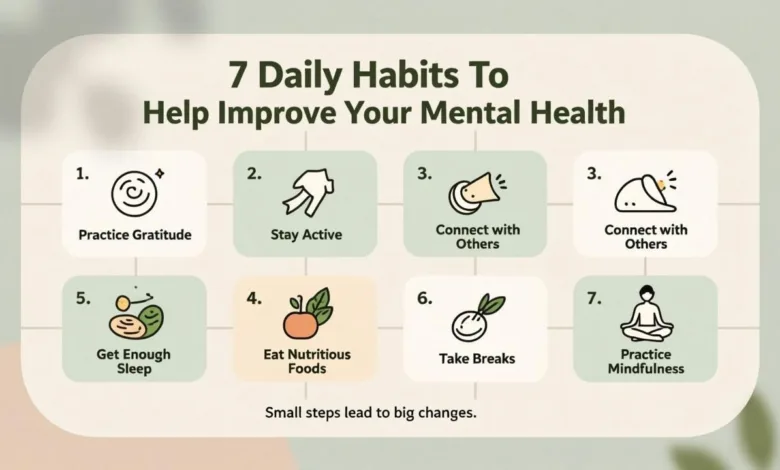
7 Daily Habits To Help Improve Your Mental Health
Embracing Daily Mental Health Habits for a Happier Life
Developing effective mental health habits is essential for fostering our overall well-being and leading a happier, less stressful life. Like many, I initially overlooked the importance of mental health, mistakenly believing that physical wellness and fulfilling my responsibilities were enough. I thought continual achievement was the key to happiness, ignoring the emotional exhaustion I often felt. It wasn’t until I reached a breaking point that I recognized the grim reality: genuine well-being and happiness cannot rely solely on physical fitness and accomplishments. Mental health holds equal importance. Neglecting it can create a harmful cycle affecting every area of our lives.
I now firmly believe that prioritizing mental health is vital for lasting happiness and inner peace. In this article, I will share small, impactful habits that have significantly improved my mental health. My hope is that these practices resonate with you, reminding you that caring for your mental health is never a waste of time.
This post contains affiliate links. If you make a purchase through my links, I may earn a small commission at no extra cost to you. I only recommend products I genuinely believe in.
1. Cultivate a Habit of Less Complaining
Do you sometimes find yourself habitually complaining about the smallest inconveniences in life? While expressing frustrations can be therapeutic, an excessive focus on negativity transforms it into a counterproductive habit. I’ve certainly been guilty of this, especially when I hit my lowest point. My complaining spiked during that time; I turned minor setbacks into monumental issues and welcomed any opportunity to voice my grievances.
Each time someone highlighted my negativity, I justified my outlook with a belief that I was entitled to feel that way due to external circumstances. Yet, I discovered a crucial truth: while everyone deserves a voice for their feelings, consistently dwelling on the negatives and using it as a crutch only worsened my mental state.
Rather than driving me towards solutions, my habit of complaining clouded my judgment, creating feelings of hopelessness. To shift this narrative, I’ve learned to monitor my complaints actively. When I feel the urge to complain, I now ask myself what steps I can take instead. This change not only brings clarity to my thoughts but also fosters a healthier emotional landscape by focusing on constructive solutions.
2. Practice Mindfulness and Be Present
How often do you find yourself ruminating on past mistakes or fretting about future uncertainties? It’s easy to fall into this cycle; I know because I’ve been there countless times. My inclination toward planning every potential scenario in life, convinced it was a safeguard against failure, only amplified my anxiety.
Caught up in concerns for the future, I neglected the joys of the present, losing precious moments to worry and speculation. Life is fleeting, and being consumed by what could happen prevents us from experiencing the now.
One powerful way to nurture mental health is by practicing mindfulness. Being present is not about casting aside plans or responsibilities; it’s about grounding ourselves in reality. Focusing on what we can control right now allows us to release unnecessary worries. Techniques like meditation, mindful walking, or simply concentrating on your breath can help anchor you in the present moment. By establishing this habit, we cultivate a balanced, fulfilling life, unshackled from the weight of past regrets and future fears.
3. Break Free from Negative Self-Talk
Many of us fall into the trap of being our harshest critic. I, too, spent years berating myself over perceived flaws and mistakes, believing relentless self-criticism would drive me to improvement. Instead, it eroded my confidence and negatively impacted my mental health.
This overly critical mindset kept me frozen in fear; I hesitated to take risks or explore new opportunities. If you’re also your own worst critic, remember that you deserve the same compassion you readily extend to others. Making mistakes doesn’t diminish your worth or the kindness you deserve.
Constant negative self-talk damages our emotional health and inhibits personal growth. Practicing self-compassion fosters an environment for healing and resilience. It is crucial to recognize that imperfections are part of being human. Choosing to treat ourselves kindly allows us to confront challenges with a balanced mindset, transforming our internal dialogue from one of judgment to understanding.
4. Embrace the Practice of Gratitude
Integrating gratitude into your daily routine can significantly enhance mental health. For a long time, I viewed gratitude as a mere platitude, particularly during challenging times. Seeking something to be grateful for during struggles felt impossible and often dismissive of my pain.
After navigating some tough days, I realized that focusing solely on my problems only magnified my sense of defeat. Acknowledging even the smallest moments of gratitude helped me balance the chaos in my life. Practicing gratitude doesn’t diminish the weight of our struggles; it illuminates the moments of light during dark times.
Recognizing that good and bad can coexist is vital. Incorporating gratitude allows us to appreciate life’s small pleasures, even amidst trials, fostering the strength to keep moving forward.
5. Value Your Solitude
Alone time might seem counterintuitive to some, especially in a world buzzing with activity. However, spending quality time alone is integral to both personal growth and mental well-being. Many of us rush through obligations while neglecting to consider our own needs.
I, too, used to view solitude as a luxury—something to indulge in only when responsibilities were handled. However, I later realized that neglecting this vital aspect of self-care substantially impacted my mental health.
Taking moments to reconnect with ourselves is not selfish; it’s necessary. By carving out time for solitude, we recharge and approach our responsibilities with renewed energy and clarity. Never feel guilty about taking time for yourself; know you deserve this essential space for self-reflection.
6. Establish a Consistent Bedtime Routine
Have you ever found yourself staring into the darkness, unable to quiet your racing thoughts? I can recall countless sleepless nights where anxiety held my mind captive. Over time, I realized that the lack of a bedtime routine negatively impacted not just my sleep but my overall mental health as well.
To address this, I developed a calming bedtime routine that encouraged a restorative environment. Implementing simple changes, such as setting a strict bedtime and avoiding screens an hour before sleep, made a remarkable difference. Engaging in deep-breathing exercises also contributes to a healthier transition into slumber.
Creating a consistent nighttime routine allows us to unwind and ease into sleep, away from daily stressors. Simple adjustments can have a profound effect on improving our mental well-being. Try integrating small, manageable changes into your nighttime ritual for better rest.
7. The Power of Forgiveness
Forgiveness is one of the most challenging yet healing practices we can embrace. Many of us carry the heavy baggage of past hurts, allowing anger and resentment to cloud our lives. I’ve experienced this firsthand, clinging to anger in a misguided attempt to protect myself.
Over time, I realized that holding onto resentment only made me bitter and stunted my growth. Practicing forgiveness isn’t about minimizing past wrongs; it’s about liberating ourselves from the burdens of anger and moving forward.
Choosing forgiveness is ultimately an act of self-care. It allows us to let go of the emotional weight we’ve been carrying long after it’s served its purpose. Acknowledging that forgiveness is a journey—an ongoing process, not a single act—empowers us as we strive for mental peace.
Final Thoughts
These seven habits can profoundly impact your mental health and overall happiness. You need not adopt all of them at once; start with the ones that resonate the most with you. Don’t hesitate to experiment and discover what suits your lifestyle and needs best.
Begin by integrating just one habit into your daily routine. Monitor how it influences your mental well-being, adjusting as necessary. Remember, progress is a journey filled with ups and downs, and it’s perfectly okay to take small steps forward. I believe in you, and I’m cheering for your success every step of the way!