7 Days of Healthy Eating on a Budget
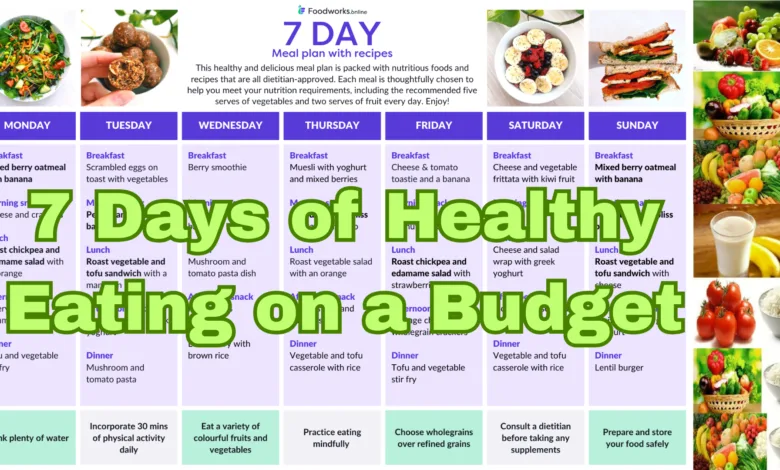
A Week of Nutritious Meals Without Breaking the Bank
Want to eat healthily without spending a fortune? This weekly meal plan will help you organize balanced nutrition for approximately $60-70 for two people per week.
Planning is Key to Saving Money
If you’re trying to control food expenses, planning your meals in advance helps you make healthier choices, save money, and reduce food waste.
In this article, we’ve created a week of dietitian-approved meals for approximately:
- $30-35 for one person
- $60-70 for two people
- $120-140 for four people
These calculations are based on average prices at major US grocery stores as of early 2025 and may vary depending on your location and season.
Below you’ll find 7 days of affordable breakfasts, lunches, dinners, and snacks, plus a shopping list with all the ingredients you’ll need.
About Balanced Nutrition
This weekly plan is designed to give you an idea of what a balanced and budget-friendly week of eating could look like.
The plan includes the recommended amount of vegetables and fruits (5 servings per day), complex carbohydrates, proteins, dairy products, and healthy fats. Each day contains over 25 grams of fiber, which is important for a healthy digestive system and heart.
This plan provides approximately 1,600-1,800 calories per day, which may be appropriate for some people, especially those aiming to maintain a healthy weight. However, individual calorie needs depend on age, gender, activity level, and health status.
Weekly Shopping List
Fresh Produce
Vegetables:
- Yellow onions – 2 large
- Celery – 4 stalks (about 5 oz)
- Carrots – 6 medium
- Garlic – 8 cloves
- Green beans – 7 oz
- Potatoes – 4.5 lbs
- Medium tomatoes – 8
- Mixed salad greens – 11 oz
- Fresh beets – 7 oz
- Cucumber – 1
- Red onions – 2
- Cherry tomatoes – 7 oz
- Mushrooms – 11 oz
- Cauliflower – 11 oz
- Broccoli – 7 oz
- Red bell pepper – 1
- Yellow bell pepper – 1
- Zucchini – 1
Fruits:
- Bananas – 7
- Clementines or tangerines – 8
- Apples – 5
- Pears – 6
- Plums – 8
- Lemons – 1
Meat and Eggs:
- Chicken breast – 1.3 lbs
- Chicken thighs – 1.3 lbs
- Eggs – 14
Dairy:
- 2% milk – 3 quarts
- Butter or olive oil spread – 7 oz
- Plain Greek yogurt – 17 oz
- Low-fat cream cheese – 11 oz
- Cheddar cheese – 7 oz
Bread:
- Whole grain bread – 1 loaf
Frozen Items
- Green peas – 17 oz
- Mixed vegetables – 14 oz (optional)
Pantry Staples
Grains and Pasta:
- Rolled oats – 7 oz
- Pearl barley – 7 oz
- Whole wheat spaghetti – 7 oz
- Whole wheat pasta (any shape) – 7 oz
- Whole wheat flour – 3.5 oz
Legumes and Canned Goods:
- Red lentils – 5 oz
- Canned tuna in water – 2 cans (5 oz each)
- Canned sardines in tomato sauce – 2 cans (4 oz each)
- Canned corn – 1 can (12 oz)
- Canned beans – 1 can (14 oz)
Oils and Sauces:
- Vegetable or olive oil – 7 fl oz
- Tomato paste – 5 oz
- Crushed tomatoes – 7 oz
Nuts and Dried Fruits:
- Unsalted peanuts – 7 oz
- Raisins or dried cranberries – 3.5 oz
- Walnuts or hazelnuts – 2 oz
Other:
- No-sugar-added muesli – 5 oz
- Oat crackers or whole grain crackers – 3.5 oz
- Vegetable bouillon cubes – 3
Spices and Seasonings
- Black pepper
- Ground cumin
- Ground coriander
- Turmeric
- Red pepper flakes
- Italian herbs or mixed herbs
- Sweet paprika
- Nutmeg
Fresh Herbs
- Fresh dill
- Fresh parsley
- Fresh basil
Monday

Breakfast: Oatmeal made with milk and topped with sliced banana and a teaspoon of honey.
Lunch: Spicy carrot and lentil soup with 2 slices of whole grain bread with butter. Make an extra portion of soup for tomorrow’s lunch.
Dinner: Medium-sized baked potato with half a can of sardines in tomato sauce, served with 3 tablespoons of green peas.
Snacks:
- 2 clementines
- 1 apple
- small handful (1 oz) of unsalted peanuts
- 4 oz plain Greek yogurt
Approximate cost per day: $4.20-4.80 per person
Tuesday

Breakfast: No-sugar-added muesli with milk, topped with sliced banana and raisins.
Lunch: Leftover carrot and lentil soup from yesterday with 2 slices of whole grain bread with butter.
Dinner: Chicken in creamy sauce with green beans and boiled new potatoes (8 oz per serving).
Snacks:
- 2 oat crackers with butter
- 1 pear
- 2 plums
Approximate cost per day: $5.40-6.20 per person
Wednesday
Breakfast: Boiled egg and sliced tomato on 2 slices of whole grain toast with butter.
Lunch: Baked potato with beans (7 oz) and a side salad with lettuce, cucumber, and cherry tomatoes.
Dinner: Pearl barley risotto with beets, served with green peas (3 tablespoons per serving).
Snacks:
- 1 carrot, cut into sticks
- small handful (1 oz) of unsalted peanuts
- 2 clementines
Approximate cost per day: $4.80-5.40 per person
Thursday
Breakfast: Sliced or mashed banana on 2 slices of whole grain toast with butter and a serving of plain Greek yogurt.
Lunch: Egg, tomato, and cucumber sandwich on whole grain bread with butter.
Dinner: Whole wheat spaghetti with sardines and cherry tomatoes, served with fresh salad.
Snacks:
- 2 plums
- 2 oat crackers with low-fat cream cheese
- 1 pear
Approximate cost per day: $4.20-4.80 per person
Friday

Breakfast: No-sugar-added muesli with milk and banana.
Lunch: Cheese sandwich with 1 oz cheddar, lettuce, tomato on 2 slices of whole grain bread with butter.
Dinner: Mushroom and cauliflower frittata served with peas, carrots, and new potatoes (8 oz per serving).
Snacks:
- 2 plums
- small handful (1 oz) of unsalted peanuts
- 1 pear
Approximate cost per day: $5.00-5.60 per person
Saturday
Breakfast: Oatmeal made with milk and banana.
Lunch: Indian-spiced scrambled eggs (with turmeric and cumin) on 2 slices of whole grain bread with butter.
Dinner: Tuna and corn pasta bake served with cauliflower and broccoli.
Snacks:
- small handful (1 oz) of unsalted peanuts
- 1 apple
- 1 pear
Approximate cost per day: $5.40-5.90 per person
Sunday
Breakfast: Poached egg and sautéed mushrooms on 2 slices of whole grain bread.
Lunch: Chicken and vegetable sheet pan (bell peppers, zucchini, onion, cherry tomatoes, potatoes) – make an extra portion per person for leftovers.
Dessert: Baked citrus pears and apples served with plain Greek yogurt.
Dinner: Sandwich using leftover chicken and vegetables from lunch, with cucumber, tomato, whole grain bread, and butter.
Snacks:
- small handful (1 oz) of unsalted peanuts
- 1 carrot, cut into sticks
- 2 clementines
Approximate cost per day: $6.20-7.30 per person
Practical Money-Saving Tips
1. Buy Seasonal Produce
Vegetables and fruits in season are always cheaper. In fall and winter, favor beets, cabbage, carrots, apples, and pears. In summer, opt for tomatoes, cucumbers, peppers, and berries.
2. Cook in Large Batches
Soups, casseroles, and stews can be prepared for several days or frozen in portions. This saves not only money but also time.
3. Use Frozen Vegetables
Frozen vegetables retain most of their nutrients and often cost less than fresh ones, especially out of season.
4. Don’t Ignore Legumes
Lentils, beans, and chickpeas are excellent protein sources that cost significantly less than meat. Combine them with grains for a complete protein profile.
5. Plan Menus Around Sales
Before going to the store, check weekly ads and build your menu based on discounted products.
6. Avoid Food Waste
Store leftovers in the refrigerator, use wilting vegetables for soups, and overripe fruits for smoothies or baking.
7. Cook at Home
Even simple homemade meals are always cheaper and healthier than ready-made food or eating out.
8. Buy Store Brands
Generic or store-brand products are often just as good as name brands but cost 20-30% less.
9. Shop with a List
Having a shopping list prevents impulse purchases and helps you stick to your budget.
10. Compare Unit Prices
Look at the price per ounce or pound rather than the package price to find the best deals.
Nutrition Essentials
Fiber – Foundation of Health
Whole grain products, vegetables, fruits, and legumes provide fiber, which:
- Improves digestion
- Lowers cholesterol levels
- Helps control weight
- Reduces the risk of cardiovascular disease
The recommended daily fiber intake is 25-30 grams for adults.
Protein from Various Sources
You don’t need to eat meat every day. Alternate different protein sources:
- Poultry (chicken, turkey)
- Fish and seafood
- Eggs
- Dairy products
- Legumes (lentils, beans, chickpeas)
- Nuts and seeds
Healthy Fats
Not all fats are created equal. Choose:
- Cold-pressed oils (olive, sunflower)
- Nuts and seeds
- Avocado
- Fatty fish
Limit trans fats and saturated fats from processed meats, fast food, and baked goods.
Vegetables and Fruits Daily
Aim to eat at least 5 servings (about 2.5 cups) of vegetables and fruits daily. This will provide your body with vitamins, minerals, and antioxidants.
Hydration Matters
Don’t forget to drink water throughout the day. Water is essential for all bodily functions and is completely free if you drink tap water.
Adapting the Menu to Your Needs
This plan is just an example that can be adapted to your needs:
- For vegetarians: Replace meat and fish with tofu, legumes, eggs, and dairy products
- For lactose intolerance: Use plant-based milk (oat, soy, almond) and dairy-free yogurts
- For celiac disease: Choose gluten-free grains (buckwheat, rice, quinoa) and gluten-free bread
- For athletes: Increase portions of protein and complex carbohydrates
- For weight loss: Reduce portion sizes but maintain nutritional balance
Smart Shopping Strategies
Know When to Buy in Bulk
Buying in bulk saves money for non-perishable items like grains, pasta, canned goods, and frozen vegetables. However, avoid buying bulk fresh produce unless you can consume or freeze it before it spoils.
Use Coupons and Apps
Many grocery stores offer digital coupons and loyalty programs. Apps like Ibotta, Checkout 51, and store-specific apps can help you save additional money.
Don’t Shop Hungry
Shopping on an empty stomach leads to impulse purchases of unnecessary items. Eat before you shop to stay focused on your list.
Consider Generic Medications and Supplements
If you take vitamins or supplements, store brands are typically much cheaper than name brands and contain the same ingredients.
Meal Prep Tips for Success
Prep on Weekends
Spend 2-3 hours on Sunday preparing components for the week:
- Wash and chop vegetables
- Cook grains and legumes
- Boil eggs
- Prepare sauces and dressings
Invest in Good Storage Containers
Quality airtight containers keep food fresh longer and make it easy to portion meals for the week.
Label and Date Everything
Use masking tape or labels to mark containers with contents and dates. Most cooked foods stay fresh 3-4 days in the refrigerator.
Freeze Smartly
Soups, casseroles, and cooked grains freeze well. Portion them into individual servings for easy reheating.
Budget-Friendly Protein Options
Eggs
At roughly $3-4 per dozen, eggs provide high-quality protein for just $0.25-0.35 per serving. They’re versatile for any meal.
Canned Fish
Tuna and sardines offer affordable omega-3 fatty acids and protein. Look for sales when cans are $1 or less.
Dried Beans and Lentils
A pound of dried beans costs $1-2 and makes 6-8 servings of cooked beans, making each serving about $0.15-0.25.
Chicken Thighs
Often half the price of chicken breasts, thighs are more flavorful and stay moist when cooked.
Greek Yogurt
Plain Greek yogurt provides protein and calcium, plus it can replace sour cream and mayonnaise in recipes.
Saving Money Without Sacrificing Nutrition
Healthy eating doesn’t have to be expensive. The key to success is planning, smart shopping, and cooking at home. With this meal plan, you can eat a balanced diet economically while providing your body with all necessary nutrients.
Remember, the most expensive food is the food you throw away. Plan wisely, buy only what you need, store properly, and use leftovers creatively.
Eating well on a budget is absolutely achievable. It requires a bit more planning and effort than grabbing convenience foods, but the benefits to your health and wallet are well worth it. Start with this one-week plan, then adapt it to your family’s preferences and dietary needs. You’ll be surprised at how much money you can save while eating delicious, nutritious meals.
Important Note: If you have chronic health conditions, allergies, or special dietary needs, consult with your doctor or a registered dietitian before making significant changes to your diet. This meal plan is intended as a general guide for healthy adults and may need to be modified for individual circumstances.