The Hidden Dangers of Insomnia Revealed

Can Insomnia Kill You? Understanding the Risks and Solutions
Estimated reading time: 7 minutes
- Understand the different types of insomnia and their implications.
- Recognize the serious health risks associated with chronic insomnia.
- Learn effective sleep hygiene practices to improve sleep quality.
- Explore actionable daily and evening routines to enhance your rest.
- Identify when to seek professional help for sleep disorders.
Table of Contents
- What Is Insomnia?
- The Risks Associated with Insomnia
- Sleep Cycles: Understanding REM and Deep Sleep
- Circadian Rhythm and Sleep Quality
- Sleep Hygiene Habits for Better Sleep
- Evening Routines to Improve Sleep
- Daily Habits for Better Sleep
- Morning Routines for Higher Energy
- Common Sleep Mistakes to Avoid
- FAQs on Insomnia
- Conclusion
What Is Insomnia?
Insomnia is a sleep disorder characterized by persistent difficulty in falling asleep or staying asleep, or waking up too early. It can be acute, lasting for a short time, or chronic, where symptoms occur at least three times a week for three months or longer. Sleep is essential for physical and mental health, making insomnia a considerable concern.
Types of Insomnia
- Acute Insomnia: Often triggered by stress, environmental changes, or significant life events. Generally short-lived, it can impact sleep for days to weeks.
- Chronic Insomnia: Lasting longer than three months, chronic insomnia can stem from underlying health issues, certain medications, or long-term emotional distress.
Understanding these types helps recognize when to seek treatment or adopt lifestyle changes for better sleep quality.
The Risks Associated with Insomnia
Can Insomnia Kill You?
The relationship between insomnia and life-threatening conditions has been studied extensively. Chronic insomnia is associated with several serious health issues, including:
- Cardiovascular Disease: Research indicates a clear correlation between persistent insomnia and an increased risk of heart disease. Studies show that sleep deprivation can lead to hypertension and increased heart rate, raising the likelihood of heart attacks and strokes.
Source: National Sleep Foundation - Mental Health Disorders: Insomnia is closely linked with anxiety, depression, and other mental health disorders. Chronic insomnia can exacerbate these conditions, leading to a cycle of worsening symptoms and sleep deprivation.
Source: National Institute of Mental Health (NIMH) - Impaired Immune Function: Lack of quality sleep can weaken the immune system, leaving the body vulnerable to infections. Chronic insomnia can lead to increased inflammation and impairment in immune response.
Source: Sleep Research Society
While insomnia alone may not lead directly to death, its ramifications on health can indeed be severe, and ultimately, it’s how chronic insomnia interacts with other health conditions that can be life-threatening.
Sleep Cycles: Understanding REM and Deep Sleep
Understanding the different stages of sleep can shed light on why quality sleep is crucial. Sleep consists of several cycles, primarily REM (Rapid Eye Movement) and non-REM sleep:
- Non-REM Sleep:
- Stage 1: Light sleep where you drift in and out of sleep.
- Stage 2: Body temperature drops, and heart rate slows as you enter a deeper sleep.
- Stage 3: Deep sleep where restorative processes occur; essential for feeling rested and rejuvenated.
- REM Sleep: This stage is vital for emotional regulation and memory processing. Most dreams occur during this phase.
Both REM and deep sleep play critical roles in overall health, and insufficient time spent in these stages can exacerbate insomnia and fatigue.
Circadian Rhythm and Sleep Quality
The body’s internal clock, or circadian rhythm, plays a crucial role in determining sleep quality. This natural cycle regulates sleep-wake patterns and is influenced by factors such as light exposure and hormonal fluctuations.
How to Support Healthy Circadian Rhythms
- Consistent Sleep Schedule: Aim to go to bed and wake up at the same time daily, even on weekends to reinforce your body’s sleep-wake cycle.
- Morning Sunlight Exposure: Natural light in the morning helps reset your internal clock.
- Limit Evening Light Exposure: Reduce blue light exposure from screens in the evening to prepare your body for sleep.
Sleep Hygiene Habits for Better Sleep
Incorporating effective sleep hygiene practices can help mitigate insomnia and enhance overall sleep quality. Consider the following strategies:
Practical Sleep Hygiene Tips
- Create a Sleep-Inducing Environment:
- Keep the bedroom cool, dark, and quiet.
- Invest in a comfortable mattress and pillows.
- Establish a Relaxing Bedtime Routine:
- Consider reading, gentle yoga, or meditation to wind down before bed.
- Limit Caffeine and Alcohol Intake:
- Both substances can interfere with sleep quality and should be limited, especially in the hours leading up to bedtime.
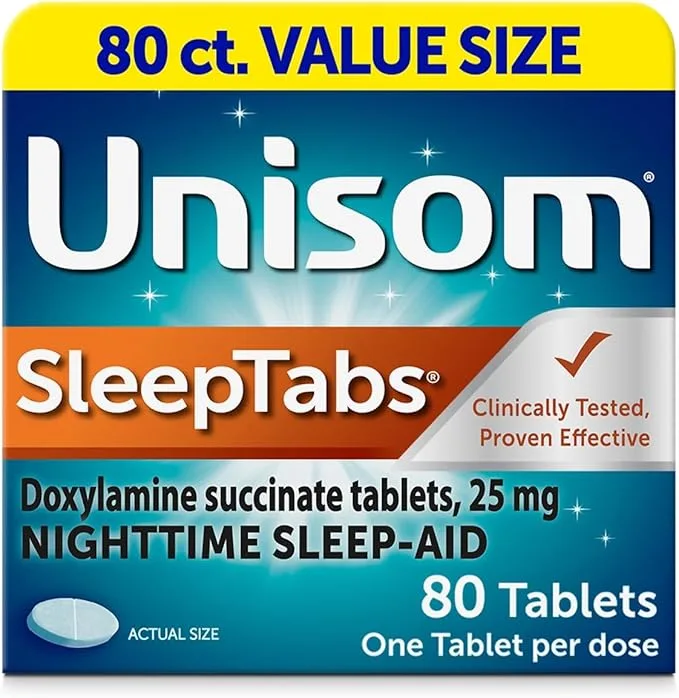
- Use Sleep Aids Wisely:
Natural sleep remedies, such as melatonin, can be effective for some people; however, consult a healthcare professional before use.
Evening Routines to Improve Sleep
Creating a bedtime routine can significantly impact your ability to fall asleep quickly and achieve quality rest. Here’s a simple step-by-step routine:
1-Hour Pre-Bedtime Routine
- Dim the Lights: This triggers the production of melatonin, signaling your body it’s time to sleep.
- Limit Screen Time: Use blue light filter apps or, preferably, avoid screens altogether.
- Engage in Relaxation Techniques: Deep breathing or meditation can calm the mind and body, preparing you for sleep.
Daily Habits for Better Sleep
Maintaining consistent daily habits is crucial for mitigating insomnia. Consider the following:
- Daily Exercise: Aim for at least 30 minutes of moderate exercise most days of the week to promote better sleep.
- Nutrition: A balanced diet can influence sleep quality. Foods containing magnesium (like spinach and nuts) may help promote better sleep.
Morning Routines for Higher Energy
Awakening refreshed is essential for maintaining energy levels throughout the day. Here are some actionable morning tips:
- Hydrate Immediately: Start your day with a glass of water to kickstart your metabolism.
- Get Moving: Engage in physical activity, even a short walk, to increase blood flow and awaken your body.
Common Sleep Mistakes to Avoid
Understanding and avoiding common errors can pave the way for a healthier sleep schedule:
- Inconsistent Sleep Hours: Erratic sleeping patterns can disrupt circadian rhythms.
- Napping Too Long: Long naps during the day can reduce nighttime sleep drive.
FAQs on Insomnia
- What are common symptoms of insomnia?
Difficulty falling asleep, waking up frequently during the night, or waking up too early and not being able to return to sleep. - Is insomnia linked to other health conditions?
Yes, insomnia is associated with a range of conditions, including cardiovascular disease, obesity, and mental health disorders. - What natural remedies can help with insomnia?
Natural remedies include melatonin supplements, herbal teas (like valerian root or chamomile), and mindfulness meditation. - How can I break the cycle of bad sleep habits?
Gradually implement healthy sleep hygiene practices and maintain consistency. - When should I seek help for insomnia?
If insomnia persists for weeks or significantly impacts daily living, consult a healthcare provider.
Conclusion
Understanding insomnia’s potential risks is pivotal for overall health and well-being. While the question “Can insomnia kill you?” might elicit fear, the focus should rather be on effective prevention and treatment strategies. By adopting healthy sleep hygiene practices and recognizing the symptoms and dangers of insomnia, you can significantly improve your sleep quality, wake up refreshed, and maintain high energy levels throughout the day.