How To Find Peace Within Yourself: 7 Essential Tips
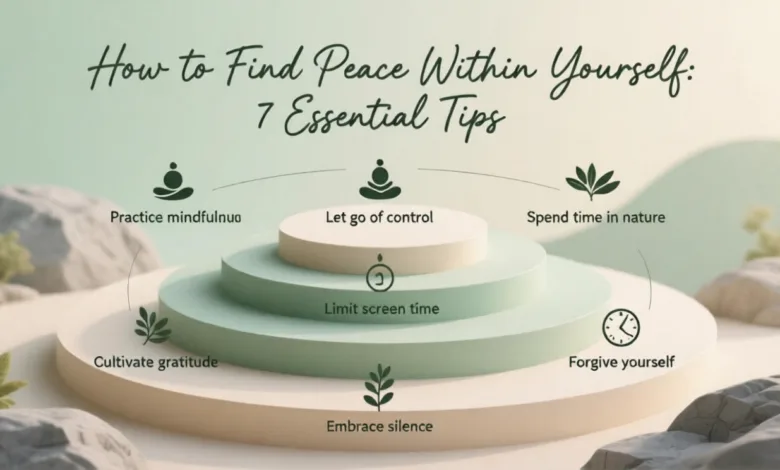
Discovering Inner Peace: A Guide to Finding Serenity Within Yourself
Finding inner peace is crucial for effectively managing stress and enhancing your overall well-being and happiness. Like many, I once believed that achieving true peace meant having every aspect of my life perfectly coordinated. I thought happiness would only be mine if everything aligned flawlessly. However, I soon discovered that this “ideal” scenario rarely materializes. Despite my constant efforts to organize and control every detail, there always seemed to be something off-kilter.
The relentless pursuit of a perfect moment only added to my stress and fatigue. It was during one of my lowest points that I realized: peace isn’t about obtaining perfection; it’s about achieving stability and tranquility within, regardless of the surrounding chaos. We shouldn’t feel compelled to chase an elusive perfect state before allowing ourselves to experience peace and happiness. It’s vital to recognize that, irrespective of where we are in life, we can discover inner calm.
Bear in mind that the “perfect alignment” we often wait for might never arrive. Life is inherently unpredictable, filled with uncertainties that can swiftly disrupt well-laid plans. Instead of anticipating an ideal moment to find peace, we should learn to adjust and embrace the unpredictability that life offers.
In this article, I’ll share steps I implemented to cultivate inner peace amidst outer chaos. While these methods may not be universal, I hope that by sharing my journey, you’ll feel inspired to discover what resonates with you.
How to Find Peace Within Yourself
1. Embrace Mindfulness
Life can quickly become overwhelming. Thoughts can spiral out of control, pulling us into a cycle of “what-ifs” about the future or past regrets. I vividly remember a time when I felt paralyzed by fear, anxious even about waking up to another day filled with uncertainty. My worries created a debilitating cycle, resulting in a constant loop of hypothetical scenarios that only seemed to worsen my anxiety.
This experience taught me how vital mindfulness is for fostering calm within, despite chaos. Practicing mindfulness grounds us in the present, keeping us from being swept away by anxiety over what lies ahead or sorrow for what has passed. Mindfulness encourages us to face our challenges head-on, delivering a refreshing perspective to combat stress and alleviate anxiety.
Here are a couple of mindfulness exercises to try:
- Deep Breathing: Focus on your breath. Inhale deeply through your nose and exhale slowly through your mouth. This can help sharpen your focus and relieve tension.
- Mindful Walking: Take a stroll, pay attention to how your body feels with each movement. Notice the sensations underfoot, the ambient sounds, and the breeze on your skin.
2. Cultivate Daily Gratitude
Another significant step toward inner peace is the practice of daily gratitude. Surprisingly, I used to dismiss this concept as merely “toxic positivity.” Expressing gratitude feels effortless when times are good, but during difficult moments, identifying something to appreciate seems nearly impossible.
Initially, I resisted the notion that gratitude could improve my situation while I was entrenched in my struggles. I felt that focusing on my problems would motivate me to change. However, this approach drained my energy and hope and fostered a mindset that things would only worsen.
I learned that gratitude, especially in tough times, is not about ignoring pain; instead, it’s about valuing life’s positives, however small. It’s about recognizing that good and bad can coexist, and that focusing on the positive bolsters our capacity to cope with life’s challenges.
Here are some ways to implement gratitude in your life:
- Keep a Gratitude Journal: Write down three things you are thankful for every day. They can be as simple as a sunny morning or a warm conversation with a friend. This practice can shift your perspective toward abundance rather than scarcity.
- Express Gratitude to Others: Consciously thank someone daily—be it a colleague, family member, or even a stranger. Expressing appreciation not only uplifts others but reinforces your own feelings of gratitude.
3. Establish Healthy Boundaries
How often do you find yourself overextending your time and energy just to maintain others’ happiness, even when you feel exhausted? I certainly have fallen into this trap. Growing up, I believed my worth stemmed primarily from my achievements and how useful I was to others.
This mindset led me to consistently say “yes,” even when overwhelmed. It took hitting a breaking point for me to grasp the necessity of establishing healthy boundaries—not only for my mental health but also for my overall peace and happiness.
Setting boundaries does not indicate unkindness or shutting others out; rather, it involves acknowledging our own needs and limitations. You deserve to prioritize your well-being just as much as anyone else’s.
To cultivate healthy boundaries, consider the following steps:
- Identify Your Limits: Reflect on what stresses you or evokes discomfort. Knowing these boundaries will help you define them better.
- Communicate Clearly: Once you understand your limits, clearly convey them to others. You don’t owe anyone an explanation or apology.
- Practice Saying No: Start small; decline an invitation or request for assistance that you cannot handle.
4. Prioritize Self-Care
Making self-care a priority is another essential component of discovering inner peace. It’s easy to underestimate self-care, especially when life gets hectic. I used to view self-care as an unnecessary indulgence or a task reserved for calmer times.
However, self-care is essential for our health and serenity, especially in overwhelming periods. It’s crucial to remember that self-care is not a luxury—it’s a necessity. It enables us to breathe, reflect, and reconnect with what matters.
Don’t consider self-care a selfish endeavor. Taking time for yourself doesn’t mean neglecting responsibilities but rather ensuring you possess the strength to fulfill them effectively. Remember, you can’t pour from an empty cup.
Here are some practical tips for integrating self-care:
- Set Realistic Goals: Begin with achievable objectives, such as reading for 30 minutes a day or taking brief daily walks.
- Establish a Routine: Schedule specific times weekly for self-care activities. Whether exercising or enjoying quiet time, consistency is vital.
5. Embrace Forgiveness
Practicing forgiveness is vital for finding peace within yourself. Although challenging, holding onto anger and resentment often weighs us down more than letting go ever could.
I grew up feeling hurt and undervalued by those I loved. This anger led me to believe that by holding onto it, I was protecting myself. Yet, I eventually realized that nurturing this anger only left me bitter and stuck in the past.
Forgiveness does not mean minimizing your pain or forgetting the wrong done to you. Instead, it’s about liberating yourself from the shackles of past hurt. Forgiveness is reclaiming your power and moving forward without being anchored in suffering.
To practice forgiveness, consider these approaches:
- Acknowledge Your Feelings: Allow yourself to experience and acknowledge your emotions regarding a situation. This is the first step in healing.
- Write a Letter: Consider composing a letter expressing your feelings and forgiveness. You don’t have to send it; the act of writing can be cathartic.
- Release Expectations: Let go of any hopes regarding how others should respond to your forgiveness. Focus on finding your peace instead.
6. Be Kind to Yourself
Self-criticism is a common hurdle. Many of us are our harshest critics, often amplifying our challenges rather than alleviating them. I once believed that self-criticism would drive me to improve, but it only heightened my stress and anxiety.
Recognize that everyone deserves love and kindness, including you. Improvement arises not from self-judgment but from compassion and understanding. Being gentle with yourself can significantly reduce daily stress while enhancing your overall sense of well-being.
To practice self-compassion, you can try the following:
- Reframe Negative Thoughts: When critical thoughts arise, pause and reframe them positively. Instead of thinking, “I always fail,” consider, “I made a mistake, but I can learn from this.”
- Set Realistic Expectations: Aim for achievable goals rather than perfection. Celebrate the progress you make, irrespective of flaws.
7. Reflect on Your Day
Reflection plays an essential role in finding inner peace. Taking time to assess your thoughts, feelings, and actions can clarify sources of distress and highlight patterns contributing to anxiety.
I personally allocate 15 to 20 minutes each night before bed for reflection, reviewing what I experienced throughout the day and how it made me feel. This routine not only offers clarity but also provides insight into areas for growth and improvement.
To incorporate reflection into your routine:
- Choose a Consistent Time: Select a time that works best for you, and dedicate it to reflection. Prior consistency helps cultivate a meaningful habit.
- Set a Reminder: Use technology or visible notes to remind yourself of your reflective time until it becomes a daily practice.
Final Thoughts
Learning to find peace within yourself is an evolving journey. This process won’t happen overnight, so allow yourself the time and grace to grow. Take small steps, and remember to celebrate your victories, no matter how minor they may seem.
The ultimate goal isn’t to achieve perfect tranquility but to better navigate your emotional responses to life’s challenges. Explore what genuinely brings you tranquility, and patiently incorporate these practices into your daily routine.
You’ve got this, and remember, I’m cheering you on every step of the way!
Related Articles
- 10 Small Ways to Enhance Your Life
- 10 Simple Actions to Rediscover Joy
- How to Cultivate Contentment: 7 Steps to Enjoy in Everyday Life
This post contains affiliate links. If you make a purchase through my links, I may earn a small commission at no extra cost to you. I only recommend products I genuinely believe in.