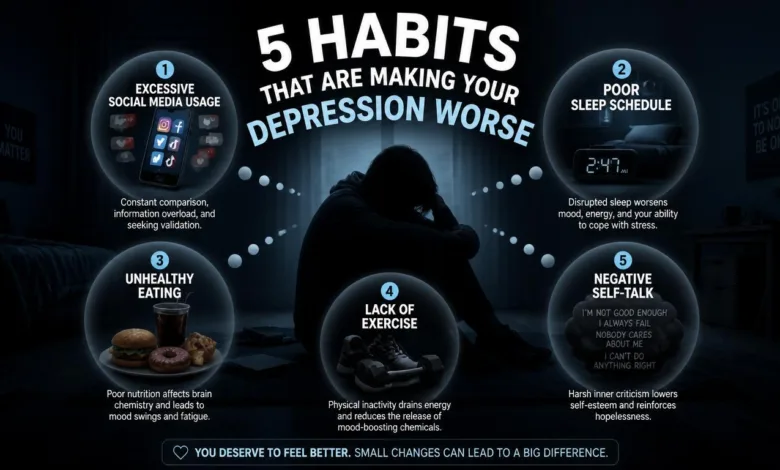
5 Habits that are Making your Depression Worse
My Journey Through Depression: Identifying and Changing Detrimental Habits
The past few weeks have been an uphill battle for me. I’ve endured countless sleepless nights, lying in bed and gazing up at the ceiling while a whirlwind of thoughts swirled in my mind. It felt as if depression was slowly but surely consuming my very being, dragging me down into a heavy darkness. I often felt like a captive in my own life, imprisoned by negative thoughts and unable to escape. I longed for relief—a moment where everything would just pause. I wanted to shout, to break free, but the weight of depression felt insurmountable.
This challenging episode lingered for weeks, and I realized that although stress was a significant trigger, small, everyday habits were also pulling me deeper into this pit. Determined to reclaim my life, I started identifying and addressing these habits with the hope of making my darker days a bit more manageable. I believe sharing my insights can resonate with others who may be fighting similar battles, so here are five habits I recognized that were exacerbating my depression. Perhaps you can relate to some of these habits and join me on this journey toward healing.
Habit 1: Dwelling on Stressful Experiences
One of the main culprits driving me back into despair has been my tendency to brood over stressful occurrences. Whenever I faced a challenging situation, rather than seeking solutions or ways to cope, I would relentlessly replay it in my mind. This habit has been detrimental, eating away at my mental well-being.
Coping with stress can become particularly overwhelming when you’re battling depression, and I found that I needed to actively fight against it. Slowly, I started to identify activities that helped calm my mind, allowing me to cope better with stress. Whether it was practicing mindfulness, engaging in creative pursuits, or finding support, taking these steps made a remarkable difference.
Incorporating Calming Strategies
When stress arises, it’s essential to recognize coping mechanisms that work for you. For instance, I discovered that spending time in nature significantly alleviated my stressors. The fresh air and changing scenery helped clear my mind and provided a refreshing escape from my thoughts.
Others may find solace in meditation or yoga, which can offer a sense of grounding and clarity. The key is to experiment with different methods until you find what resonates with you, ultimately reducing the grip of stress on your life.
Habit 2: Avoiding Sunlight
For a period, I dreaded any hint of sunshine filtering through my windows. To me, sunlight meant facing yet another daunting day, so I opted for thick curtains to block it out. However, I soon recognized that my attempt to shield myself from the light was causing more harm than good.

When my sister removed those heavy drapes one day, I experienced a surprising shift. Allowing natural light into my space not only brightened my surroundings but sparked a sense of hope within me. The act of witnessing the sunrise, no matter how clichéd it may have seemed, served as a reminder that each day holds the potential for change.
Embracing Light in Your Life
If you find yourself shying away from sunlight, consider gradually integrating more light into your routine. Start by opening windows during the day or taking short walks outside. The warmth of the sun can significantly uplift your mood. You may discover that those little rays bring you not only comfort but a powerful reminder that each new dawn provides an opportunity for change.
Habit 3: Neglecting Physical Activity
Depression can make simple tasks feel monumental. Even getting out of bed can become a battle, while showering transforms into a monumental chore. It’s not laziness; it’s an overwhelming sense of fatigue and heaviness. The more I surrendered to this inertia, the more control depression seemed to gain over me.
However, one fateful day, amid another dark moment, my sister encouraged me to join her for a swim. Though it required every ounce of willpower, I agreed. To my surprise, the experience filled me with joy, laughter, and a sense of lightness I had long missed.
Taking Small Steps
If you grapple with a similar aversion to movement, remember that small actions can lead to significant changes. Start with manageable goals—like a short walk or light stretching. Celebrate each small victory. The feeling of accomplishment, no matter how minor, can propel you toward further activity.
As you progress, consider engaging in enjoyable activities that promote movement. Explore dance classes, join a sports team, or pursue a hobby that requires physical engagement. The focus does not need to be on intensity; rather, it should center around finding joy in movement.
Habit 4: Consuming Negative News
I used to relish staying informed and watching the news. It was entertaining and kept me connected with global events. However, upon my diagnosis with depression, I started to notice a harmful trend. Consuming excessive negativity through media began to amplify my anxiety while deepening my despair.
While staying informed holds importance, the emotional rollercoaster of consuming stories of suffering and injustice often overshadowed the positives. This content only exacerbated my already fragile mental state.
Finding Balance
To mitigate this impact, I made a conscious decision to limit my news consumption. I now reserve specific times each day to check updates rather than allowing it to dominate my thoughts. This approach keeps me informed while allowing me to control how much negativity enters my life.
Additionally, I’ve sought out uplifting stories and positive news segments. Focusing on the good can counterbalance the distressing narratives, reminding me that even amidst chaos, light exists.
Habit 5: Embracing Social Isolation
When faced with overwhelming emotions triggered by depression, reaching out for support can feel like an insurmountable task. I completely understand the struggle of feeling isolated at such times, where asking for help seems nearly impossible.
Initially, I feared opening up and discussing my struggles. I worried about the potential for judgment or dismissal of my experiences. However, as I began to let down my walls and allow others into my life, I discovered the comforting reality that not everyone would react negatively.
Seeking Genuine Connections
Engaging with my network and opening discussions about mental health has been enlightening. Friends and family may not fully grasp my pain, but their presence and willingness to listen provide immeasurable comfort.
If reaching out feels daunting, consider starting small. Send a text to a friend or family member to share how you’re feeling or suggest meeting up for coffee. Building those connections and creating a support network can make a world of difference when navigating through difficult times.
Conclusion: Taking Control of Your Mental Health Journey
Acknowledging these habits that worsen depression has been a pivotal part of my healing journey. While changing these behaviors may not completely eliminate my depression, I am discovering strategies that make the struggle more manageable. Progress, no matter how small, is still progress.
By identifying and transforming detrimental habits, it is possible to carve out a path to a more balanced, fulfilling life. Each day brings new challenges, yet with determination and perseverance, I believe we can rise above our struggles, step by step.
If you’re feeling overwhelmed by depression, I encourage you to recognize those habits feeding into your distress. Join me in taking small steps toward change, supporting one another as we navigate through our challenges together. Remember, healing takes time, but with patience and effort, brighter days await. Hang in there; we’ve got this!