10 Things To Do To Stay Strong When Times Are Hard
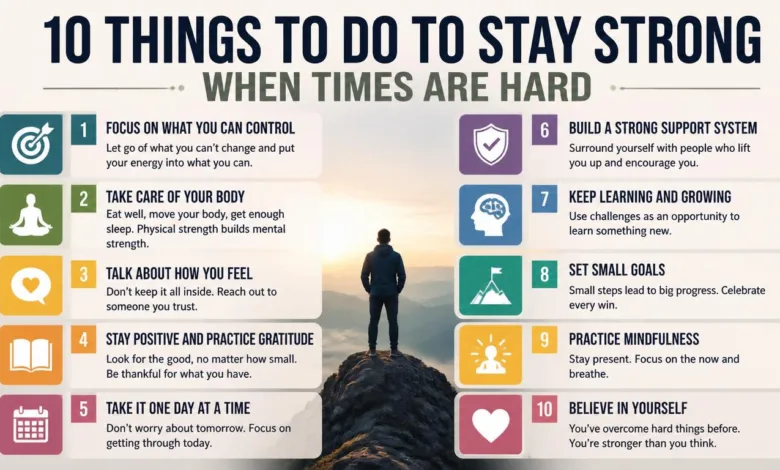
Finding Inner Strength in Tough Times
We all face challenging moments in our lives, and during these times, discovering the resilience to keep moving forward can feel overwhelming. If you’re seeking strategies to maintain your strength in difficult circumstances, this article offers insights that might resonate with you.
At my lowest point, I remember feeling completely overwhelmed, believing that I wouldn’t be able to withstand the relentless waves of adversity. Every day felt like a struggle for survival; each time I resolved one issue, it seemed like multiple others sprang up in its place. It was an exhausting cycle that left me feeling as though I was perpetually fighting a battle I couldn’t win. I understand the difficulty of holding on to hope when everything around us appears to be crumbling.
During these trying times, I discovered that anchoring myself with supportive habits and beliefs could prevent me from spiraling into despair. I want to share the steps I took that ultimately contributed to my ability to remain resilient. While these actions may not have resolved my problems overnight, they cultivated a mindset of strength that helped me navigate my way through adversity. I hope you find something valuable in this guidance that can help you through your own challenges.
Focus on What You Can Control
When life becomes turbulent, many of us instinctively try to exert control over every detail of our environment, seeking a semblance of stability. I certainly fell into this trap. During my most challenging moments, my urge to micromanage every aspect of my life amplified, as I desperately sought to ward off further pain. Yet, in striving to control the uncontrollable, I only added to my stress and anxiety.
I learned that instead of attempting to manage what was beyond my control, an effective strategy lies in accepting these external challenges and directing my energy towards what I can influence. Accepting limitations is not synonymous with giving up; rather, it liberates us from the unnecessary stress associated with trying to control everything.
By concentrating on our actions, no matter how small, we can foster a sense of hope and empowerment. We begin to realize that we possess the ability to choose our responses to life’s challenges, enhancing our confidence as we navigate through trying times.
Practice Self-Compassion

Self-criticism is a common response during difficult times, but being overly harsh on ourselves can devastate our self-esteem. I have often struggled with self-criticism, especially during moments of failure, believing that harshness was a way to motivate myself to bounce back. However, this approach soon proved detrimental to my self-worth.
Constantly berating myself only cultivated feelings of inadequacy and hopelessness, making it harder to cope with my struggles. If you recognize this pattern in yourself, it’s essential to practice self-compassion. We need to treat ourselves with the same kindness and understanding that we readily extend to others.
By providing ourselves with the space to make mistakes, we empower ourselves to take risks and pursue our goals with confidence. When we acknowledge that imperfection is part of our humanity, we can work constructively through our challenges instead of remaining stuck in a cycle of self-criticism.
Celebrate Small Victories
In the midst of struggle, we often overlook our daily achievements, losing sight of the strength it takes just to get through each day. It’s easy to focus on what isn’t working, dismissing our progress, particularly when it doesn’t match our high expectations.
Recognizing our efforts is crucial. Every day you persevere is a testament to your resilience. The decision to get out of bed despite feeling overwhelmed deserves recognition. Each small act of perseverance is significant.
Acknowledging these small victories is not about inflating our egos; it serves to remind us of our capabilities and to reinforce our strength. Celebrating our daily efforts fosters hope and allows us to face darker days with the belief that progress is achievable.
Cultivate Gratitude in Difficult Times
Initially, I was skeptical about the practice of gratitude, equating it with toxic positivity. When struggling through tough periods, it can seem almost impossible to find reasons to be grateful. I heavily focused on the negatives in my life, thinking that by highlighting my problems, I could motivate myself to strive for better.
However, I discovered that the absence of gratitude left me feeling more depleted and hopeless. Practicing gratitude—even in dark times—became essential for my emotional health. It’s not about downplaying the difficulties we face but rather recognizing that even amidst adversity, there are moments worth appreciating.
Acknowledging small joys and victories can alleviate the emotional weight we carry. This practice encourages us to see that hope exists alongside challenges and that our capacity for positivity remains undiminished, even in tough times.
Create a Daily Routine
Establishing a daily routine offers a blueprint for stability amidst chaos. When life feels unpredictable, creating structure can provide a sense of purpose, helping to combat feelings of overwhelm.
During my difficult times, sticking to a routine created a sense of predictability. Completing even the simplest tasks brought feelings of accomplishment and drove my motivation to continue pushing forward.
It’s important to customize your routine to suit your personal circumstances. Emulate routines that resonate with your reality rather than those that may not align with your situation. This adjustment helps to lower stress and fosters a sense of control.
Seek Help and Accept Support
Many of us struggle with asking for help, especially during tough times. I often felt I needed to handle my challenges alone, fearing that reaching out would burden those around me. However, one of the most important lessons I learned during my struggles is that asking for help is a sign of strength, not weakness.
Reaching out not only opens pathways for support but also reinforces the bonds within our relationships. True friends value the trust you place in them when you share your struggles. Remember, it’s okay to lean on others during hard times. Life can be overwhelming, and it takes courage to admit when we need support.
Acknowledge and Validate Your Emotions
Strength isn’t solely about pushing through—it also involves recognizing and validating our feelings. I often found myself suppressing emotions in an attempt to tackle my problems head-on. However, this only delayed my healing and magnified my struggles over time.
Allowing ourselves to feel and process our emotions doesn’t equate to weakness. Instead, it reveals our capacity for honesty and authenticity. Embracing vulnerability allows for genuine healing and offers a critical pathway toward coping with adversity.
Recognizing your feelings is an important step toward overcoming them. Your ability to express emotions is not a failure; rather, it is a necessary part of your healing journey.
Remind Yourself of Past Challenges Overcome
When faced with new challenges, it can be easy to lose faith in our abilities. However, reflecting on past adversities we’ve overcome offers perspective and motivation. Remember the times you faced seemingly insurmountable obstacles and emerged stronger.
Acknowledging your past successes reinforces the belief that you hold the inner strength necessary to navigate current struggles. You have the resilience to push through even the most difficult situations.
Establish Healthy Boundaries
Many of us find it challenging to set boundaries, fearing that saying “no” might upset others. However, overextending ourselves can lead to further overwhelm, particularly during tough times. It’s crucial to recognize that prioritizing our well-being does not make us selfish.
Establishing healthy boundaries allows you to manage your energy and commitments, which can be particularly important when you’re navigating difficulties. Remind yourself that your value isn’t based on pleasing others but rather on recognizing your limits and self-respect.
Focus on One Day at a Time
When tackling life’s challenges, it’s easy to feel pressured to resolve everything at once. However, I learned the importance of taking things one day at a time. Rather than setting unrealistic goals that may lead you to feel defeated, embrace the notion that small steps toward improvement are equally essential.
Taking life day by day allows for manageable progression without the risk of becoming overwhelmed. Remember, it’s okay to not have all the answers. You don’t need to fix everything overnight. Each small step you take contributes to your growth and resilience.
Final Thoughts
Navigating tough times is a journey that is often not straightforward. Some days will be more challenging than others, and that’s perfectly normal. Remember that strength isn’t about avoiding struggles but about facing them and growing through the experience.
Resilience develops over time, so be gentle with yourself as you traverse this path. Every challenge you encounter contributes to your story, one filled with perseverance and hope. Remind yourself that despite the current difficulties, this moment does not define the entirety of your life. Stay strong, keep faith in your ability to overcome, and know that you have the power to turn things around. Your journey is just beginning, and there’s a bright future ahead.