
Calorie Deficit Meal Plan for Weight Loss: 7-Day Printable Menu with Real Food
Almost every nutrition trend out there likes to sound complicated. People argue about meal timing, magical detox drinks, or cutting out entire food groups before sunset.
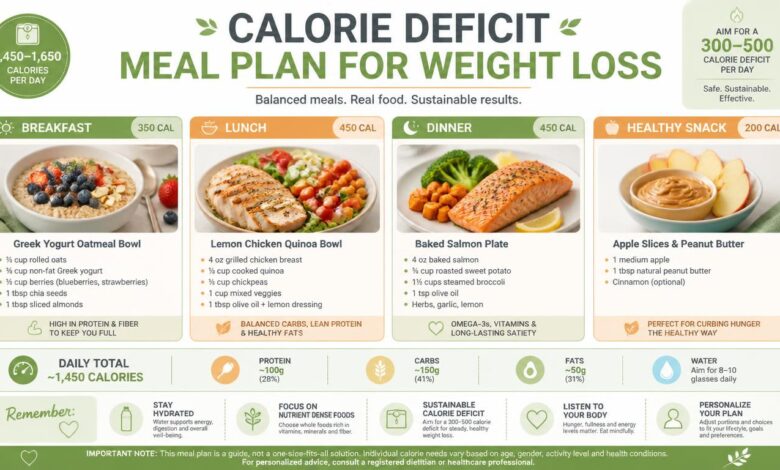
Here is the simple reality: fat loss comes down to energy balance. You need to take in slightly less fuel than your body burns each day. That is what a calorie deficit means. Nothing more, nothing less.
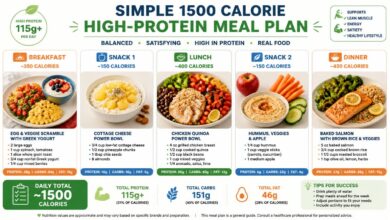
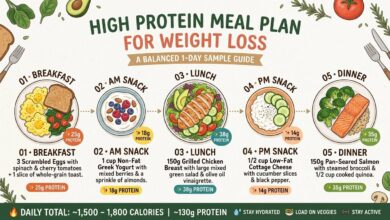
The trouble is that most people create a deficit by starving themselves on plain broth and tiny salads. That backfires within a week. I prefer a smarter method: eat filling whole foods that let you stay in a deficit without counting minutes until your next meal. This calorie deficit meal plan provides 7 full days of balanced food targeting roughly 1,500 calories and over 110 grams of protein each day.
Download the Free Calorie Deficit Meal Plan PDF
Get the printable 7-day meal plan sheet, daily macro breakdowns, and our complete grocery list sent straight to your inbox.
How a Calorie Deficit Actually Works (Without Extreme Dieting)
Your body needs a specific amount of energy every day just to keep your heart beating, walk the dog, and get through work. This is your total daily energy expenditure (TDEE).
Think of it this way:
If your body burns 2,000 calories a day and you eat 1,500 calories, you create a 500-calorie daily deficit. Over a week, that adds up to roughly 3,500 calories, which equals approximately one pound of stored body fat.
Why not cut 1,000 or 1,200 calories to lose fat twice as fast? Because extreme deficits trigger three painful problems:
- Metabolic slowdown: Your body slows down non-exercise activity (you fidget less, feel sluggish, and burn fewer calories overall).
- Muscle loss: Without adequate fuel and protein, your body breaks down muscle fibers for energy, hurting gym performance and muscle tone.
- Uncontrollable binges: Severe hunger spikes your cravings, usually leading to overeating by Friday night.
- Need a steeper cut? Look through our 1,200 Calorie Meal Plan and 1,400 Calorie Meal Plan.
- Looking for our primary baseline? Check the core 1,500 Calorie Meal Plan, the foundational 7-Day Weight Loss Meal Plan, or our protein-focused High Protein Meal Plan.
- Taller or lifting weights regularly? See our 1,800 Calorie Meal Plan and 2,000 Calorie Meal Plan.
Calculate your specific numbers right now with our free calorie calculator.
Amelia’s 3 Rules to Stay Full in a Calorie Deficit
In my own kitchen and with my clients, I follow three rules to make a deficit feel easy:
- Volume eating with high-water produce: Half your plate should consist of vegetables like zucchini, spinach, broccoli, or bell peppers. They take up large physical volume in your stomach, signaling fullness to your brain for very few calories.
- Keep protein front and center: Every single meal in this plan includes at least 25 to 35 grams of protein. Protein keeps your digestion slow and steady.
- Never drink your calories: Swap fruit juices, creamy sugary lattes, and sodas for water, seltzer with lemon, and black coffee. That simple switch saves 250 to 400 empty calories every day.
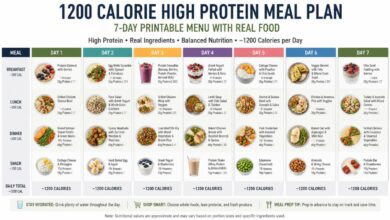
Week at a Glance: 7-Day Deficit Meal Plan
This 7-day schedule averages approximately 1,500 calories per day with 110g to 125g of protein, keeping you satisfied while creating steady fat loss.
| Day | Breakfast | Lunch | Dinner | Daily Stats |
|---|---|---|---|---|
| Day 1 | Egg & Veggie Scramble with Toast | Chopped Chicken & Chickpea Salad | Baked Salmon with Steamed Broccoli | ~1,490 kcal | 112g Protein |
| Day 2 | Greek Yogurt Bowl with Berries & Chia | Turkey Breast & Romaine Lettuce Wrap | Lean Ground Beef Stir-Fry with Snap Peas | ~1,510 kcal | 118g Protein |
| Day 3 | Rolled Oats with Peanut Butter & Cinnamon | Tuna & White Bean Salad Boats | Sheet-Pan Lemon Chicken & Sweet Potato | ~1,485 kcal | 114g Protein |
| Day 4 | Cottage Cheese & Sliced Peach Toast | Warm Black Bean, Corn & Quinoa Bowl | Pan-Roasted Cod with Asparagus Spears | ~1,505 kcal | 116g Protein |
| Day 5 | Green Berry Protein Smoothie | Leftover Lemon Chicken with Garden Salad | Baked Turkey Meatballs with Zucchini Noodles | ~1,475 kcal | 120g Protein |
| Day 6 | Poached Eggs on Sourdough with Avocado | Greek Cucumber & Chickpea Salad with Feta | Pork Tenderloin Medallions & Green Beans | ~1,515 kcal | 110g Protein |
| Day 7 | Apple Cinnamon Overnight Oats | Deli Roast Turkey & Mixed Greens Plate | Hearty Shredded Chicken & White Bean Soup | ~1,495 kcal | 115g Protein |
Detailed Day-by-Day Menus
Day 1: Building Momentum
- Breakfast (~350 kcal, 24g protein): 2 large eggs scrambled with 1 cup fresh spinach and 1/2 cup diced tomatoes, served with 1 slice toasted 100% whole-wheat bread.
- Snack 1 (~140 kcal, 15g protein): 3/4 cup non-fat plain Greek yogurt topped with 1/3 cup fresh blueberries.
- Lunch (~390 kcal, 36g protein): 4 oz grilled chicken breast sliced over 2 cups mixed greens, 1/3 cup rinsed chickpeas, diced cucumber, and 1 tbsp light balsamic vinaigrette.
- Snack 2 (~170 kcal, 6g protein): 1 medium crisp apple paired with 14 raw almonds.
- Dinner (~440 kcal, 31g protein): 4 oz wild salmon fillet baked with fresh lemon and garlic, served with 1.5 cups steamed broccoli and 1/2 cup cooked brown rice.
Day 1 Totals: ~1,490 calories, 112g protein, 33g fiber.
Day 2: High Fiber and Steady Energy
- Breakfast (~330 kcal, 26g protein): 1 cup plain Greek yogurt, 1/2 cup sliced strawberries, and 1 tablespoon chia seeds.
- Snack 1 (~140 kcal, 14g protein): 1/2 cup 2% cottage cheese with sliced cucumber and cracked black pepper.
- Lunch (~410 kcal, 35g protein): 4 oz sliced lean deli turkey breast rolled in a whole-wheat wrap with 1/4 sliced avocado, shredded lettuce, and tomato slices.
- Snack 2 (~150 kcal, 5g protein): 1 medium orange and 10 walnut halves.
- Dinner (~480 kcal, 38g protein): 4 oz extra lean ground beef (93/7) browned with garlic, tossed with 1.5 cups snap peas and bell pepper strips over 1/2 cup cooked quinoa.
Day 2 Totals: ~1,510 calories, 118g protein, 30g fiber.
Day 3: Midweek Comfort Meals
- Breakfast (~360 kcal, 16g protein): 1/2 cup rolled oats cooked in water, stirred with 1 tbsp peanut butter and a pinch of cinnamon, topped with 1/2 sliced banana.
- Snack 1 (~130 kcal, 13g protein): 1 hard-boiled egg and 1 part-skim mozzarella cheese stick.
- Lunch (~375 kcal, 36g protein): 1 can (5 oz) albacore tuna in water, drained, mixed with 1/3 cup cannellini beans, diced celery, and lemon juice, spooned into crisp romaine boats.
- Snack 2 (~170 kcal, 7g protein): Sliced bell peppers and baby carrots with 1/3 cup garlic hummus.
- Dinner (~450 kcal, 36g protein): 5 oz roasted chicken breast seasoned with oregano, served with 1 medium baked sweet potato and 1 cup steamed green beans.
Day 3 Totals: ~1,485 calories, 114g protein, 34g fiber.
Day 4: Seafood & Whole Grains
- Breakfast (~330 kcal, 25g protein): 1 slice toasted sourdough bread topped with 3/4 cup cottage cheese and fresh peach slices.
- Snack 1 (~150 kcal, 15g protein): 3/4 cup non-fat Greek yogurt with cinnamon.
- Lunch (~415 kcal, 24g protein): Warm southwest bowl: 1/2 cup cooked brown rice, 1/2 cup black beans, 2 tbsp salsa, 1/4 avocado, and fresh cilantro.
- Snack 2 (~150 kcal, 6g protein): 1 green pear and 10 raw almonds.
- Dinner (~460 kcal, 46g protein): 6 oz baked Atlantic cod loin, 1 generous bunch roasted asparagus spears, and 1/2 cup boiled baby potatoes.
Day 4 Totals: ~1,505 calories, 116g protein, 29g fiber.
Day 5: Low-Effort Friday Dinner
- Breakfast (~320 kcal, 28g protein): Protein shake blended with 1 scoop vanilla whey or plant protein, 1 cup unsweetened almond milk, 1 cup baby spinach, and 1/2 cup frozen berries.
- Snack 1 (~130 kcal, 7g protein): 1 slice whole-wheat toast with 1 tsp almond butter.
- Lunch (~405 kcal, 37g protein): 4 oz leftover roasted chicken breast sliced over 2 cups shredded romaine, cucumbers, and 1/2 cup cooked quinoa.
- Snack 2 (~160 kcal, 13g protein): 1 cup snap peas with 1/2 cup cottage cheese dip.
- Dinner (~460 kcal, 35g protein): 4 baked turkey meatballs (93% lean) over spiralized zucchini noodles and 1/2 cup marinara sauce, topped with 1 tbsp parmesan cheese.
Day 5 Totals: ~1,475 calories, 120g protein, 28g fiber.
Day 6: Weekend Simplicity
- Breakfast (~365 kcal, 18g protein): 2 eggs poached over 1 slice sprouted grain toast with 1/4 mashed avocado and red pepper flakes.
- Snack 1 (~140 kcal, 4g protein): 1 medium apple with 10 almonds.
- Lunch (~390 kcal, 22g protein): Greek salad bowl with 3/4 cup chickpeas, diced cucumber, cherry tomatoes, 5 kalamata olives, and 2 tbsp crumbled feta in red wine vinegar.
- Snack 2 (~140 kcal, 14g protein): 1/2 cup cottage cheese with cinnamon.
- Dinner (~480 kcal, 42g protein): 5 oz grilled lean pork tenderloin medallion, 1 medium baked sweet potato, and 1.5 cups steamed zucchini slices.
Day 6 Totals: ~1,515 calories, 110g protein, 32g fiber.
Day 7: Sunday Batch-Cook Reset
- Breakfast (~340 kcal, 19g protein): Overnight oats: 1/2 cup rolled oats, 1/2 cup Greek yogurt, 1/2 cup unsweetened almond milk, and 1/2 diced apple with cinnamon.
- Snack 1 (~140 kcal, 13g protein): 2 hard-boiled eggs with a pinch of sea salt and pepper.
- Lunch (~410 kcal, 37g protein): Sliced roast turkey breast (4 oz), sliced tomatoes, cucumbers, 1 slice whole-wheat toast, and 1 tbsp light olive oil dressing.
- Snack 2 (~165 kcal, 6g protein): 1 orange and 15 pistachios in shell.
- Dinner (~440 kcal, 40g protein): Hearty soup: 4 oz chicken breast simmered with 1/2 cup cannellini beans, chopped kale, and clear vegetable broth, served with a side green salad.
Day 7 Totals: ~1,495 calories, 115g protein, 35g fiber.
Take This Deficit Plan to the Grocery Store
Download the clean printable PDF guide with the full meal breakdown and our weekly grocery checklist.
Your Calorie Deficit Grocery Shopping List
Everything listed here is easy to find at your local supermarket. No specialty health items needed.
Lean Protein Sources
- Chicken breasts, boneless & skinless (1.5 lbs)
- Wild salmon fillets (4-5 oz)
- Atlantic cod fillets (6 oz)
- Extra lean ground beef 93/7 (1/2 lb)
- Lean ground turkey (1/2 lb)
- Lean pork tenderloin (1/2 lb)
- Low-sodium deli turkey breast (1/2 lb)
- Canned chunk light tuna in water (2 cans)
Dairy & Cold Case
- Large farm eggs (1-2 dozen)
- Plain non-fat Greek yogurt (32 oz tub)
- Low-fat 2% cottage cheese (two 16 oz tubs)
- Part-skim mozzarella string cheese
- Feta cheese & grated parmesan
- Unsweetened almond milk
High-Volume Produce
- Baby spinach (large tub) & romaine lettuce
- Broccoli crowns & asparagus spears
- Zucchini (for stir-fries & zoodles)
- Snap peas, celery, cucumbers, cherry tomatoes
- Sweet potatoes & baby red potatoes
- Apples, berries, oranges, pears, lemons
- Avocados (2 medium)
Pantry Essentials
- Old-fashioned rolled oats & quinoa
- 100% whole-wheat bread or sprouted bread
- Whole-wheat wraps / tortillas
- Canned chickpeas, black beans & cannellini beans
- Natural peanut butter & garlic hummus
- Raw almonds, chia seeds & olive oil
Amelia’s Final Word: Treat Your Deficit Like a Budget
Think of your daily calorie allowance like a bank account. If you spend most of your daily budget on sugary drinks and processed snacks, you will run out of funds by midday and spend the evening starving.
When you “spend” those calories on lean meats, whole grains, and piles of fresh vegetables, you get to eat large, satisfying plates all day long. Fat loss does not require suffering. It just takes deliberate choices and food you actually enjoy eating.
Be patient with the scale, stay consistent, and let whole foods do the heavy lifting.
Frequently Asked Questions
How big should my calorie deficit be?
A deficit of 300 to 500 calories below your maintenance level is recommended for steady fat loss of roughly 1 pound per week. Anything deeper than a 500-calorie deficit can cause excess fatigue and muscle loss.
Do I need to weigh all my food on a scale?
Weighing high-calorie foods like oils, nuts, and peanut butter for a week or two is very helpful because small measurement errors add up quickly. For low-calorie vegetables and salad greens, standard cup measurements are plenty accurate.
What if I hit a weight loss plateau?
As your body weight drops, your maintenance calorie requirement decreases slightly. If your weight stalls for three consecutive weeks, evaluate whether cooking oils have crept into your meals or increase your daily step count before cutting calories further.

Written by Amelia
Nutritionist & Gym EnthusiastAt 38, I design practical, science-backed meal plans that combine regular gym training with delicious home cooking. I focus on moderate deficits that protect muscle and promote long-term vitality without crash diets.
Get Your Free Calorie Deficit PDF
Receive the full 7-day meal plan breakdown, daily macro charts, and printable grocery checklist delivered straight to your inbox.