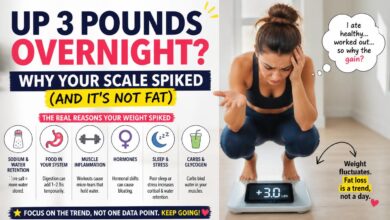

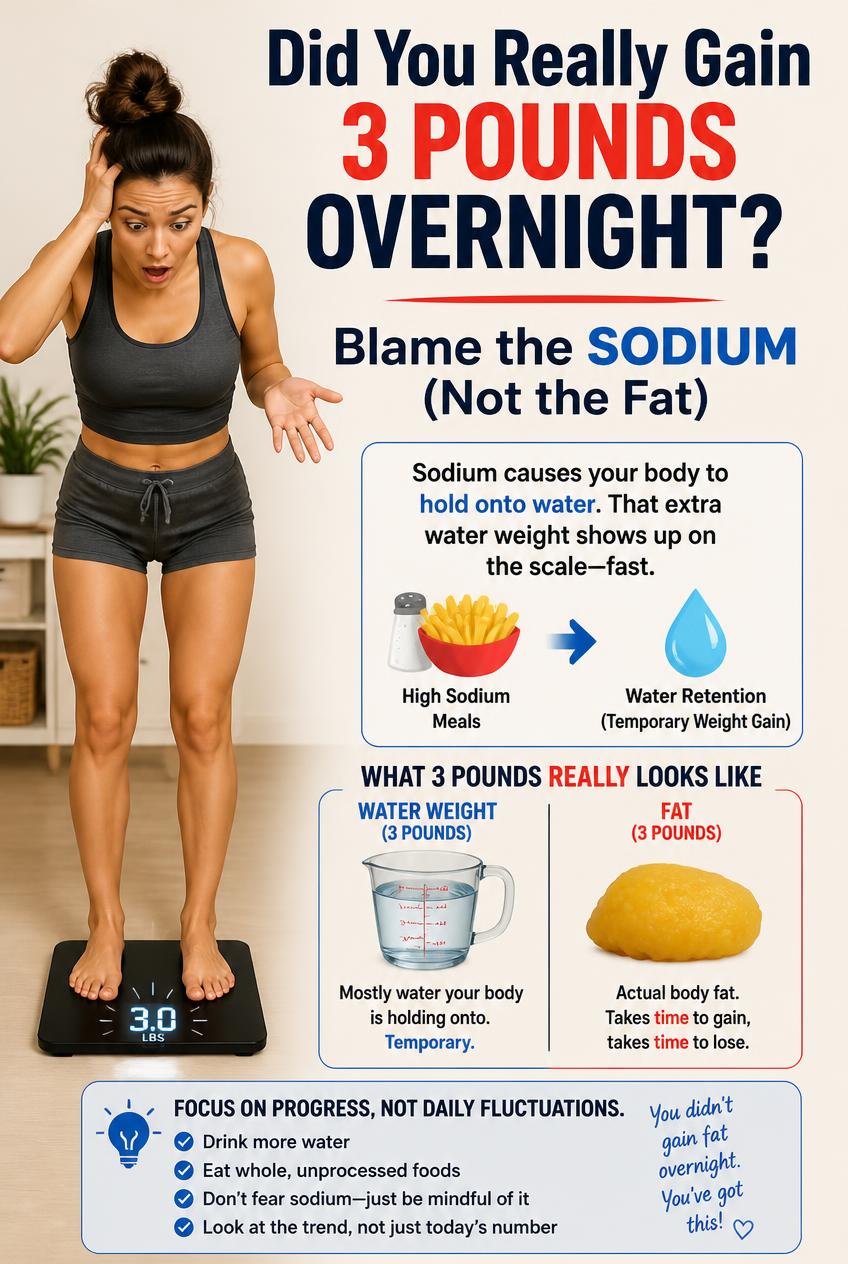
Did You Really Gain 3 Pounds Overnight? Blame the Sodium (Not the Fat)
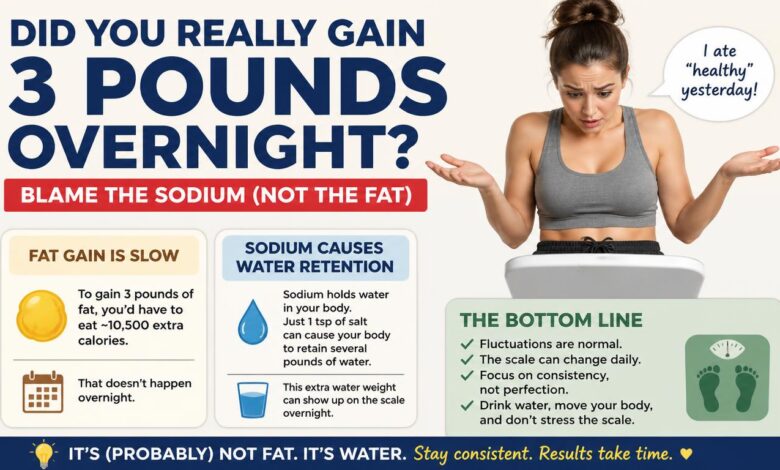
You ate a sensible dinner yesterday—maybe sushi with soy sauce, a bowl of restaurant soup, or homemade tacos. You wake up feeling slightly puffy, step onto the scale, and discover a sudden jump of two to four pounds. If you are frustrated by how sodium water retention weight spikes overnight, you are dealing with basic human biology, not a dietary failure.
I see this happen with my nutrition clients every single week. The immediate panic is always the same: “Did I just ruin my fat loss progress?”
The answer is an absolute no. Gaining three pounds of actual adipose tissue requires an energy surplus of more than 10,000 calories in a single evening. What you are looking at is temporary fluid held by your kidneys to manage salt concentration. Once you understand the physiological mechanics of sodium balance, the anxiety around the bathroom scale disappears completely.
Beat Water Bloat & Track Real Fat Loss
Download Amelia’s free Sodium Flush Protocol, 7-day potassium-rich meal plan, and fluid tracking worksheet straight to your inbox.
The Science of Sodium Water Retention Weight Spikes
Sodium is an essential mineral. Your body relies on it to regulate blood pressure, transmit nerve impulses, and maintain muscle contractions. However, your internal chemistry requires a very tight ratio of water to sodium in your bloodstream—roughly 135 to 145 milliequivalents per liter.
When you eat a high-sodium meal, that salt absorbs rapidly into your bloodstream. If your body did nothing, your blood would become hypertonic, pulling water out of your cells and stressing your vascular walls.
To prevent this, your brain and kidneys take immediate protective action:
- Osmoreceptors Trigger Thirst: Your hypothalamus detects the higher salt concentration and makes you crave water.
- Kidneys Conserve Fluids: Your pituitary gland releases antidiuretic hormone (ADH), signaling your kidneys to temporarily slow down urine production.
- Extracellular Fluid Expands: The water you drink is held in the spaces between your cells to dilute the salt back to normal levels.
This natural fluid pooling is the direct reason why sodium water retention weight can swing the scale up by 2 to 4 pounds in less than twelve hours.
→ Read: Why Scale Weight Fluctuates 3–5 Lbs Daily
Need to verify your true baseline calorie burn? Check your numbers with our free tool:
- Launch the Free Calorie Calculator
- 1,500 Calorie Plan (our most popular balanced fat loss baseline)
Visual Breakdown: How Salt and Fluid Shift Weight
Scroll sideways to watch registered dietitians and sports scientists explain sodium fluid shifts and water bloat:
Where the Sneaky Sodium Comes From
Most people believe high sodium only comes from shaking table salt over a plate. In reality, table salt added during home cooking accounts for barely 10% of total daily intake.
Over 70% of dietary sodium comes from processed, pre-packaged, or restaurant foods where salt acts as a binder, texture enhancer, and preservative:
- Salad Dressings and Marinades: Two tablespoons of commercial vinaigrette or barbecue sauce can pack 400 to 600 mg of sodium.
- Deli Meats and Cured Proteins: Turkey slices, bacon, ham, and sausages use brine for moisture retention, easily providing 800 mg per serving.
- Canned Soups and Broths: A single cup of standard vegetable or chicken soup often carries 700 to 1,100 mg of sodium.
- Bread, Tortillas, and Bagels: Baked goods rarely taste salty, but leavening agents and dough conditioners contribute substantial amounts of sodium per slice.
- Restaurant and Takeout Meals: Commercial kitchens season heavily at every stage of preparation to maximize flavor. A single casual dining meal often delivers 2,500 to 4,000 mg of sodium.
How to Tell Water Weight From Real Fat Gain
When your bathroom scale displays a higher reading, evaluate your physical signs before jumping to conclusions:
| Feature | Sodium-Induced Water Retention | True Body Fat Gain |
|---|---|---|
| Onset Speed | Appears overnight (12–24 hours) | Develops slowly over multiple weeks |
| Scale Shift Magnitude | Rapid jump of 2 to 4+ pounds | Gradual creep of 0.5 to 1 pound weekly |
| Physical Sensation | Tighter rings, puffy fingers, tight calves | No puffiness, soft expansion around waist/hips |
| Resolution Time | Flushes away in 24 to 48 hours | Requires sustained calorie deficit over weeks |
Amelia’s 4-Step Protocol to Flush Excess Sodium
If a high-sodium meal caused your weight to spike this morning, do not slash your calories or punish yourself with hours of cardio. Follow these four proven nutritional steps to help your kidneys release the excess fluid naturally:
- Drink More Water, Not Less: When people see fluid retention, their instinct is to cut back on liquids. That backfires immediately. Dehydration causes your kidneys to hold onto water even more tightly. Drinking 80 to 100 ounces of plain water signals your kidneys that fluids are abundant, encouraging rapid sodium excretion.
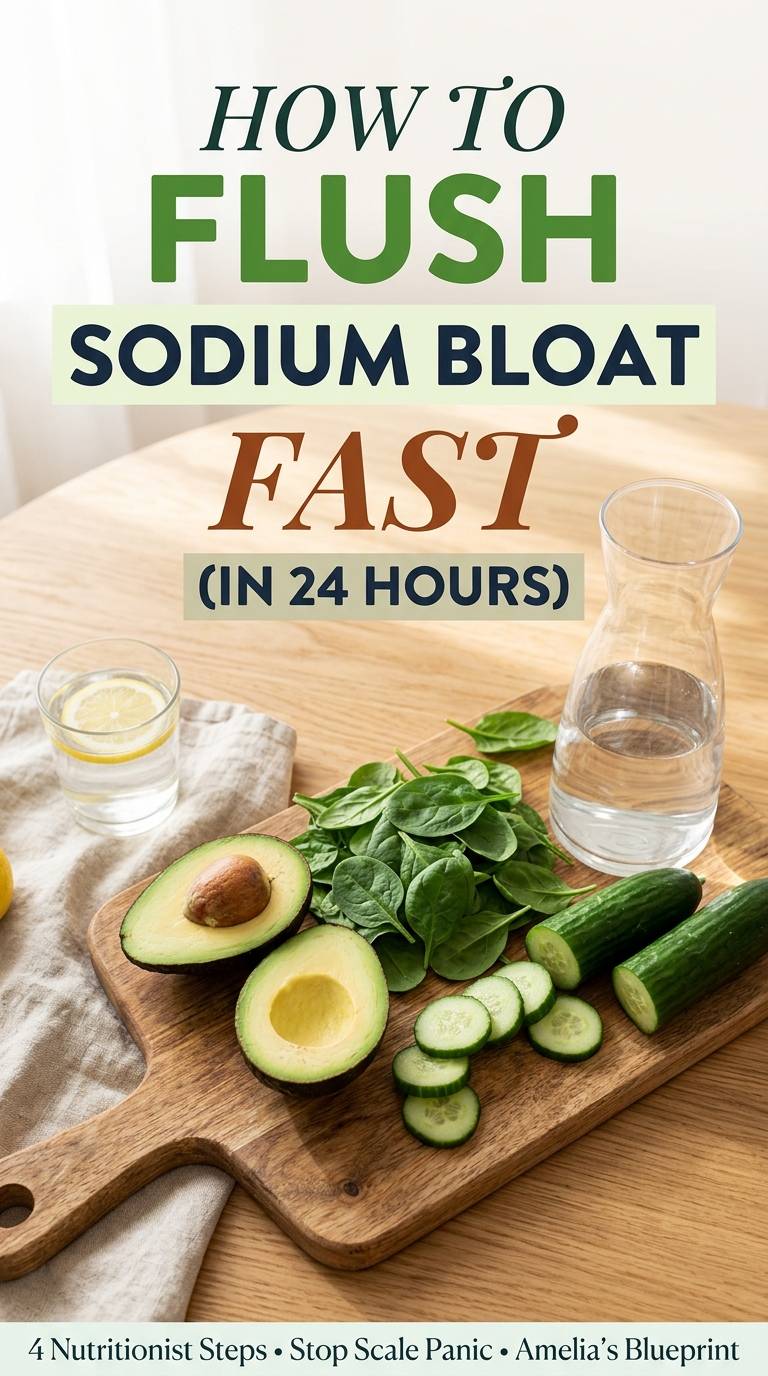
- Increase Dietary Potassium: Potassium acts as the biological counterpart to sodium. Inside your cells, potassium works via the sodium-potassium pump to encourage fluid balance. Focus on whole-food potassium sources: baked potatoes with skin, spinach, avocados, bananas, and coconut water.
- Engage in Light Sweat Movement: Go for a 30-minute brisk outdoor walk or complete an easy cycling session. Sweating releases small amounts of sodium through your skin, while muscle movement stimulates lymphatic circulation.
- Cook With Acid and Fresh Herbs: For the next 48 hours, prepare meals with lemon juice, balsamic vinegar, garlic, ginger, and fresh herbs instead of bottled sauces. Your taste buds stay satisfied while daily sodium drops below 2,000 mg.
Get Amelia’s Low-Sodium Meal Blueprint
Delicious, whole-food recipes rich in potassium and lean protein that keep your morning scale readings stable and accurate.
Amelia’s Final Word: Salt Is Flavor, Not Fat
Salt is not the enemy. You need sodium for cellular hydration, energy transfer, and athletic endurance. What you are seeing after a high-salt dinner is simply fluid dynamics at work.
Managing sodium water retention weight comes down to perspective. Do not let a single salty meal ruin your weekend or convince you that your diet is broken. Drink a tall glass of water, enjoy a potassium-rich lunch, and let your kidneys do what they were built to do.
Frequently Asked Questions
How much water weight can you gain from one salty meal?
A single high-sodium meal (such as restaurant takeout or pizza containing 3,000+ mg of sodium) can easily cause temporary fluid retention of 2 to 5 pounds. The exact amount depends on your baseline hydration, muscle mass, and carbohydrate intake.
How long does it take for sodium bloat to go away?
For healthy adults with normal kidney function, sodium-induced water weight typically clears out within 24 to 48 hours once you drink plenty of plain water, consume potassium-rich foods, and return to moderate sodium intake.
Should I take over-the-counter water pills to drop water weight?
No. Using over-the-counter diuretic pills to drop cosmetic water weight can cause electrolyte imbalances, dehydration, dizziness, and muscle cramps. Allowing your kidneys to regulate fluid naturally through hydration and potassium is far safer and more sustainable.

Written by Amelia
Nutritionist & Gym EnthusiastAt 38, I balance gym training with developing practical nutrition breakdowns for everyday life. I focus on moderate energy deficits, wholesome supermarket ingredients, and sustainable habits that protect long-term metabolic health.
Get Your Free Sodium & Fluid Cheat Sheet
A handy quick-reference sheet to keep in your kitchen: discover low-sodium swaps, high-potassium ingredients, and easy ways to prevent scale spikes.