

Grocery List for Weight Loss: The Master Supermarket Guide (Printable PDF)
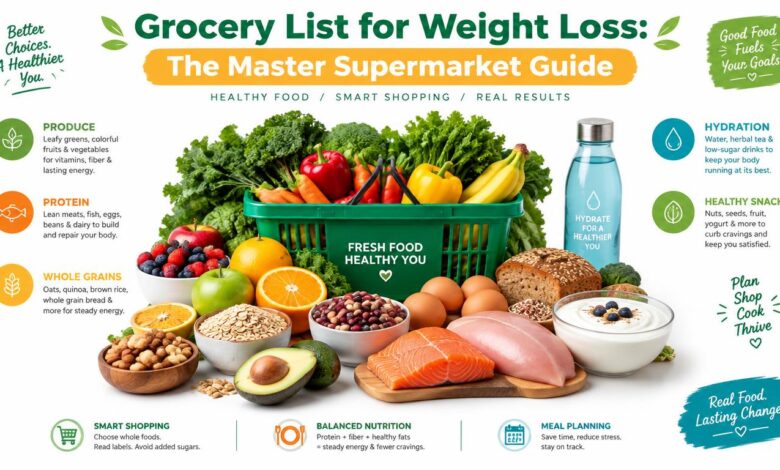
Fat loss does not start in the kitchen, and it definitely does not start in the gym. It starts in the supermarket aisles.
Think about it: if you walk through the grocery store without a plan on an empty stomach, highly processed convenience foods end up in your cart before you reach the checkout. Then, at 9 PM on a Tuesday, you eat whatever is sitting in your pantry.
In my nutrition practice, I teach one simple rule: if it is in your house, you will eventually eat it. Having an organized grocery list for weight loss removes the guesswork, saves money on food waste, and ensures you always have high-protein, high-fiber staples ready when dinner time hits. Below is my complete master shopping list, categorized by store aisle, using regular ingredients from everyday supermarkets.
Download the Master Printable Grocery Checklist (PDF)
Get this organized supermarket checklist, aisle navigation guide, and pantry substitution sheet sent to your inbox.
How to Shop Like a Nutritionist: 3 Simple Perimeter Rules
Supermarket layouts are designed to nudge you toward high-margin, ultra-processed snack items. The colorful end-caps and middle aisles are packed with refined oils, sugars, and simple starches.
Here is how I shop to stay on track:
- Shop the Perimeter First: Most whole foods live along the outer edges of the store: fresh produce, the butcher counter, seafood, and the dairy case. Fill 75% of your cart along the perimeter before venturing into the middle aisles.
- Go into the Middle Aisles with a Mission: Use the middle aisles only for specific non-perishable whole foods: rolled oats, canned beans, brown rice, canned tuna, and dried spices.
- Never Shop Hungry: When your blood sugar is low, your brain Craves fast, calorie-dense foods. Eat a high-protein snack, like a cup of Greek yogurt or a hard-boiled egg, before heading to the store.
- Structured calorie plans: choose your level with our 1,200 Calorie Meal Plan, the 1,400 Calorie Meal Plan, or our core 1,500 Calorie Meal Plan.
- Browse our full-week guides: the 7-Day Weight Loss Meal Plan, our High Protein Meal Plan, or the Vegetarian Meal Plan.
- Need recipe ideas? Check our collections for High Protein Breakfasts, High Protein Dinners, and Low Calorie Snacks.
- For higher activity levels: see our 1,800 Calorie Meal Plan and 2,000 Calorie Meal Plan.
Not sure which plan matches your body? Check your daily maintenance target with our free calorie calculator.
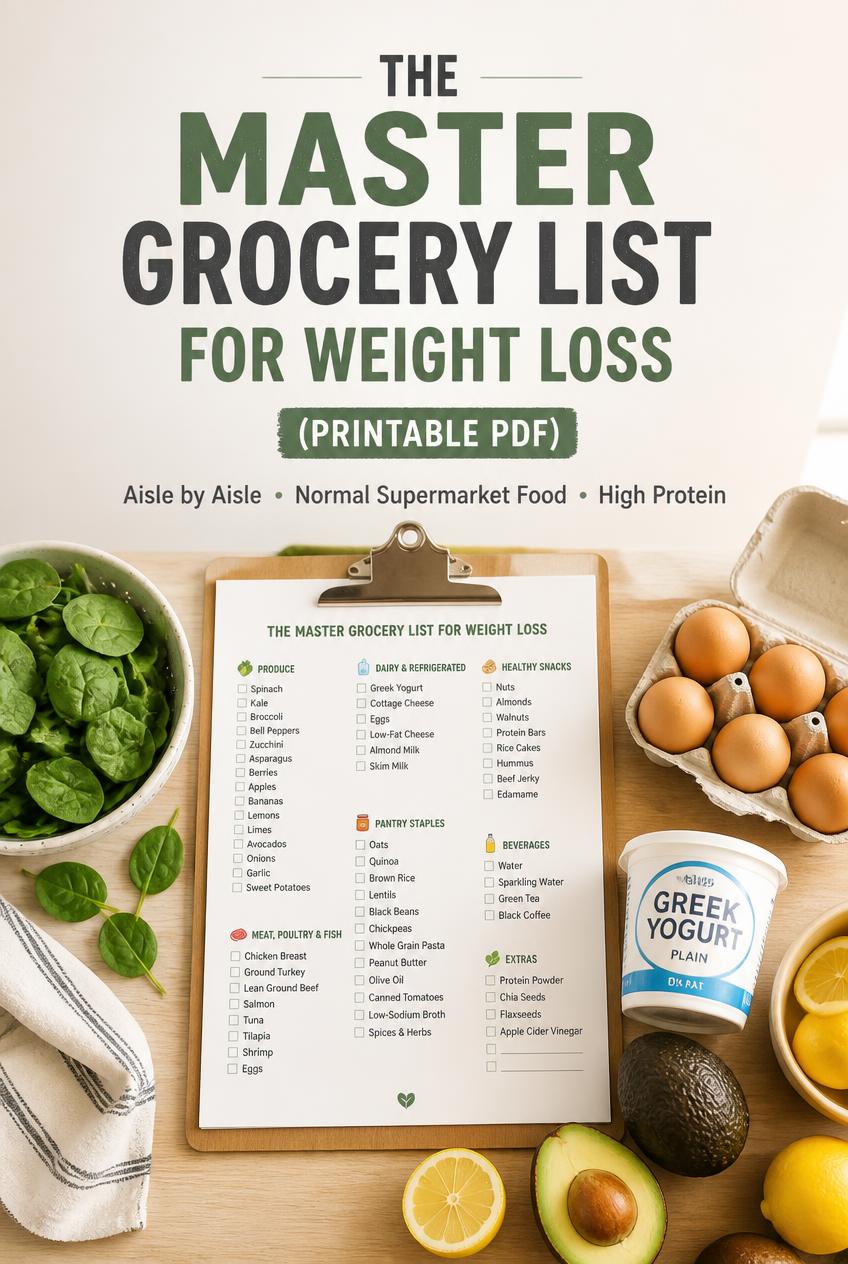
The Master Grocery Shopping List (By Store Department)
Organized exactly as supermarkets are laid out so you can get in, grab your food, and get out without browsing temptation.
1. Fresh Produce (Volume & Fiber)
Fill at least half your cart here. Non-starchy vegetables provide physical volume that prevents hunger.
- Baby spinach & mixed greens: Base for salads and quick breakfast scrambles.
- Zucchini (3-4 medium): For stir-fries and spiralized low-carb noodles.
- Broccoli crowns & cauliflower: Ideal for high-heat roasting.
- English cucumbers & celery: Low-calorie, crunchy vehicles for dips.
- Sweet bell peppers: Sweetness, color, and rich vitamin C.
- Asparagus spears & green beans: Fast-cooking side vegetables.
- Sweet potatoes & baby red potatoes: Slow-burning complex carbs.
- Fresh berries (strawberries, blueberries): High-fiber, lower-sugar fruit options.
- Apples & green pears: Crisp, portable snacks with skin-on pectin fiber.
- Fresh lemons & garlic: Zero-calorie acid and aromatic flavor bases.
2. Meat, Poultry & Seafood (Lean Protein Anchors)
Essential for protecting lean muscle tissue and maintaining a strong resting metabolic rate.
- Boneless, skinless chicken breasts: The gold standard for clean protein density.
- Lean ground turkey (93% lean): Versatile for meatballs and skillet chili.
- Extra lean ground beef (93/7): Rich in iron and zinc for muscle recovery.
- Lean pork tenderloin: As lean as skinless poultry, cooks fast.
- Atlantic cod or haddock fillets: Very high protein per calorie.
- Wild salmon fillets: Heart-healthy omega-3 fats and protein.
- Peeled deveined shrimp (fresh or frozen): Thaws in minutes for fast dinners.
- Low-sodium deli roast turkey: For rapid no-cook wraps and roll-ups.
3. Dairy & Cold Case (Protein-Dense Staples)
Quick, high-protein options that require zero cooking time.
- Large farm eggs: Nutrient-dense yolks packed with choline and vitamins.
- Liquid egg whites (carton): High protein volume without extra calories.
- Plain non-fat Greek yogurt (32 oz tub): Creamy protein base for breakfast and dressings.
- Low-fat 2% cottage cheese: Slow-digesting casein protein for long fullness.
- Part-skim mozzarella string cheese: Pre-portioned 80-calorie snack.
- Crumbled feta & parmesan: Strong, bold cheeses where a little goes a long way.
- Unsweetened almond milk: Only 30 calories per cup for smoothies and oats.
4. Pantry, Grains & Canned Goods
Shelf-stable items that keep you prepared when fresh groceries run low.
- Old-fashioned rolled oats: Beta-glucan soluble fiber for morning satiety.
- Brown rice & dry quinoa: Wholesome complex carbohydrate sources.
- Canned black beans & chickpeas: Instant fiber and plant protein.
- Dry brown lentils: Rapid-cooking legume with no soaking required.
- Canned solid white tuna & pink salmon: Affordable, shelf-stable protein.
- 100% whole-wheat bread or sprouted bread: Clean, fiber-rich toast.
- High-fiber whole-wheat wraps: Great for portable lunches.
- Chia seeds & raw almonds: High-fiber crunch and healthy dietary fats.
- Natural peanut butter: Only peanuts and salt on the ingredient label.
- Vanilla whey or plant protein powder: Quick post-workout protein boost.
5. Condiments, Spices & Flavor Enhancers
Build rich flavor without adding hundred-calorie sauces or unmeasured oils.
- Olive oil cooking spray mister: Coats pans lightly for 15 calories instead of 120.
- Vinegars (red wine, balsamic, apple cider): Tangy acidity for zero calories.
- Spicy brown mustard & hot sauce: Bold condiments with minimal calories.
- Low-sugar marinara sauce: Rich tomato base for pasta and vegetables.
- Low-sodium soy sauce: Umami seasoning for stir-fries and bowls.
- Core dried spices: Garlic powder, smoked paprika, cumin, Italian herbs, sea salt, black pepper.
Print This Supermarket Checklist
Download the clean printable PDF guide with the full grocery list arranged by aisle, portion notes, and pantry storage tips.
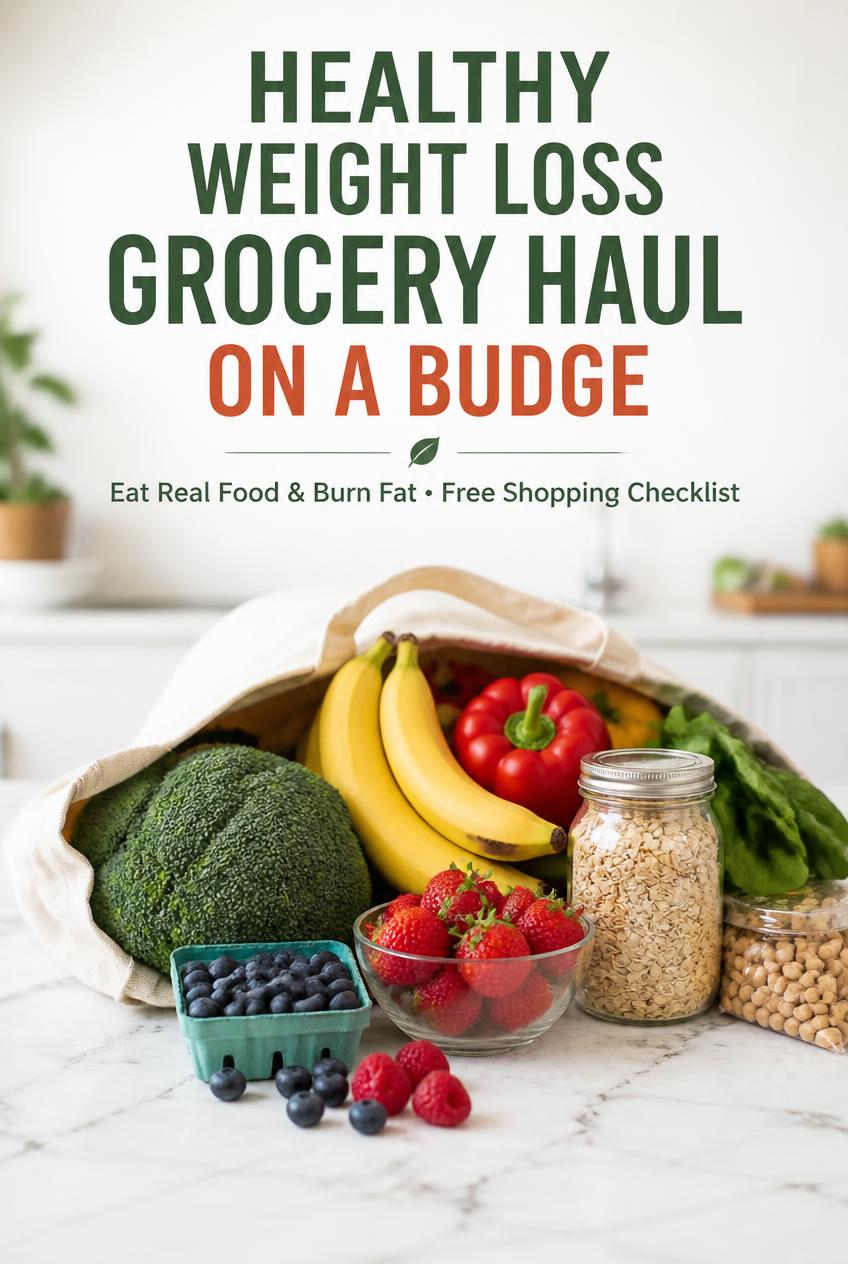
Amelia’s 3 Budget Strategies to Prevent Food Waste
Buying healthy groceries does not have to be expensive. In fact, cutting out snack chips, sugary sodas, and convenience frozen meals often lowers your weekly grocery bill. Here is how I keep costs low:
- Embrace Frozen Produce: Frozen berries, frozen green beans, and frozen edamame are flash-frozen at peak ripeness. They retain their full nutrient profile, cost less than fresh out-of-season fruit, and never spoil in the bottom of your refrigerator drawer.
- Buy Family Packs of Lean Meat: Purchase larger packs of chicken breast or lean ground turkey when they are on sale. Separate them into single-meal portions in freezer bags and freeze immediately.
- Canned Legumes Are Budget Gold: A can of black beans or chickpeas costs around a dollar and delivers hearty plant protein and dietary fiber. Mixing beans into ground meat dishes stretches expensive cuts twice as far.
Amelia’s Final Word: Your Cart Predicts Your Week
When your kitchen is stocked with lean proteins, fresh vegetables, berries, and wholesome grains, healthy eating happens on autopilot. You do not have to rely on heroic willpower at 8 PM because the food waiting for you is already supportive of your goals.
Print this checklist, stick to the perimeter of the store, and build a kitchen environment that works for you.
Give your body whole food from normal grocery stores, stay consistent, and let smart habits do the heavy lifting.
Frequently Asked Questions
Do I need to buy organic produce to lose weight?
No. Weight loss is driven by energy balance, protein adequacy, and dietary fiber. Conventional fruits and vegetables offer the same macronutrients and vitamins as organic versions at a much lower cost. Wash your produce thoroughly before cooking.
How often should I shop for fresh produce?
Most people do well with one primary weekly shopping trip. Eat delicate greens (like baby spinach and berries) in the first three days, and rely on durable produce (like cabbage, carrots, sweet potatoes, and frozen vegetables) for the latter half of the week.
What are the biggest supermarket items to avoid?
Watch out for sugar-sweetened beverages, commercial baked snacks, and creamy bottled salad dressings that contain 150 calories of unmeasured seed oils in two tablespoons. Swapping bottled dressings for olive oil spray and vinegar saves hundreds of calories.

Written by Amelia
Nutritionist & Gym EnthusiastAt 38, I design practical supermarket strategies that make healthy eating accessible and affordable for busy families. I believe keeping your kitchen stocked with whole groceries and high-protein staples is the foundation of lifelong health.
Get Your Free Printable Grocery PDF
Receive the full master grocery checklist, aisle layout guide, and healthy pantry substitution sheet delivered straight to your inbox.