
Need Dessert Right After Dinner? Why You Crave Sugar After Eating (And 4 Fixes)
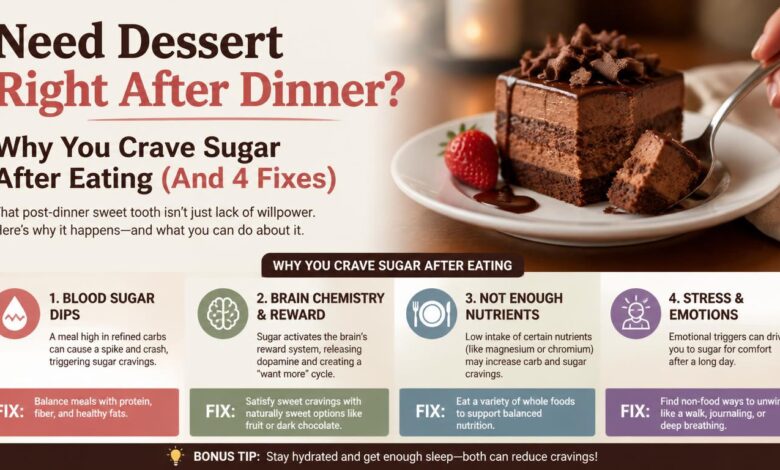
Understanding why sugar cravings spike after meals is a game-changer if you feel trapped in the cycle of needing “a little sweet bite” every time you put your fork down. You just finished a full dinner, your stomach is physically full, yet within ten minutes your brain demands chocolate, ice cream, or cookies.
This urge is not a character flaw, nor does it mean you are hopelessly addicted to sugar.
Post-meal sugar urges are driven by specific physiological triggers: rapid glycemic excursions, reactive blood sugar crashes, and habitual dopamine conditioning. When you balance your meal composition and blunt glucose spikes, that urgent dessert craving evaporates. Below, I break down the exact biological mechanisms behind post-meal cravings and four evidence-based fixes you can use today.
Get Amelia’s Blood Sugar Balancing Blueprint
Download our free printable glycemic order guide, 5-minute post-meal digestion protocols, and high-protein dessert swaps straight to your inbox.
Why Sugar Cravings Spike After Meals: The 3 Biological Culprits
If your stomach has plenty of food inside, why does your brain scream for sugar? Here is what is happening under the surface:
- The Reactive Hypoglycemia Rebound: When a meal is dominated by simple carbohydrates (white rice, regular pasta, refined breads) without enough fiber or protein, glucose surges into your bloodstream. Your pancreas responds by pumping out a heavy wave of insulin. This insulin wave often overcorrects, causing blood glucose to dip sharply below baseline. Your brain interprets this rapid drop as an energy crisis and demands fast-acting sugar.
- Habitual Dopamine Anticipation: If you have finished dinner with a sweet treat for years, your brain builds an ingrained neurological habit loop. The physical act of chewing and swallowing your last bite of savory food becomes a conditioned stimulus that anticipates an instant dopamine release.
- Low Dietary Serotonin Production: Carbohydrate intake facilitates the transport of the amino acid tryptophan across the blood-brain barrier, converting it into serotonin. If you experienced high workday stress, your brain seeks sugar as a chemical shortcut to elevate mood and unwind.
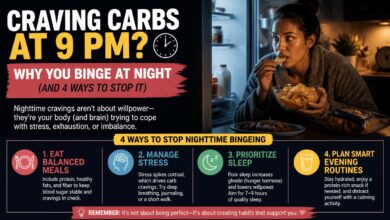
→ How to Stop Late-Night Snacking (4 Proven Tactics)
Build balanced blood sugar plates with our core nutrition foundations:
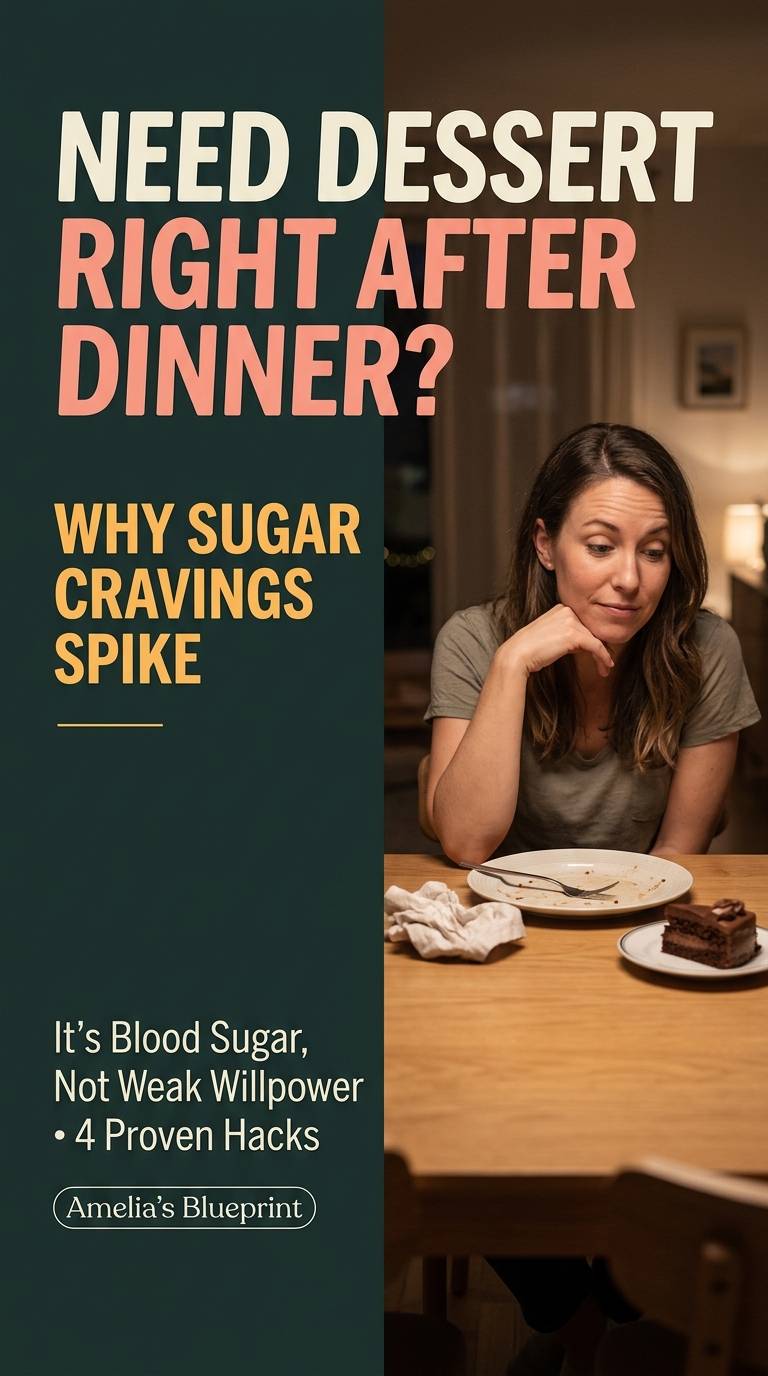
Visual Breakdown: Stopping Post-Meal Sugar Cravings
Scroll sideways to watch biochemists and metabolic doctors explain how food order and blood sugar control cravings:
Herbtonics Apple Cider Vinegar + Keto BHB GLP-1
Taking acetic acid before starchy meals slows gastric emptying and reduces post-meal glucose spikes by up to 30%. Easy to swallow capsules without the harsh liquid taste.
4 Evidence-Based Fixes to Shut Down Post-Meal Sugar Cravings
1. Adopt the “Food Order” Sequencing Rule
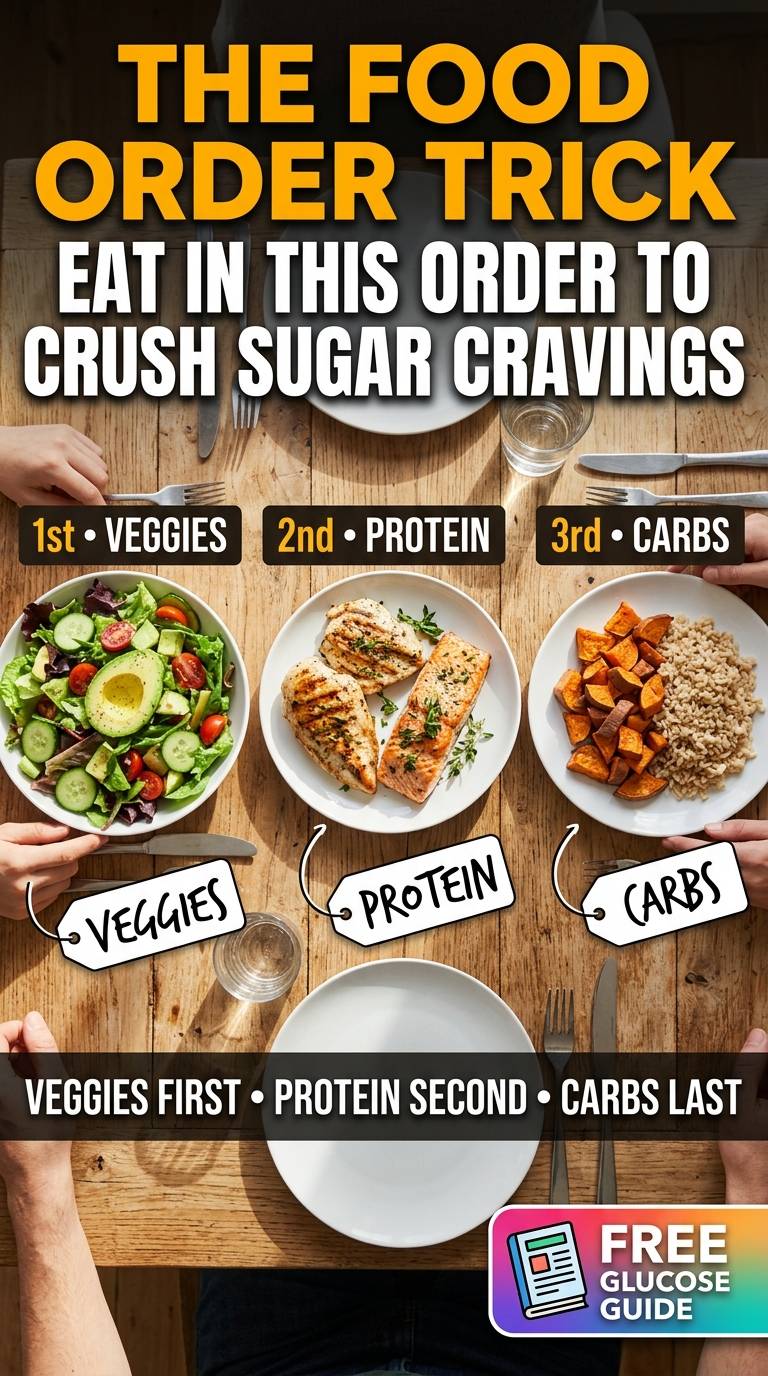
Biochemical studies demonstrate that the sequence in which you consume items on your plate changes the post-meal glucose curve by up to 75%:
- First: Fibrous vegetables (salad, broccoli, asparagus). Soluble fiber forms a viscous mesh in the small intestine, slowing sugar absorption.
- Second: Proteins and healthy fats (poultry, salmon, tofu, olive oil). Stimulates gastric satiety peptides.
- Third: Starches and carbohydrates (potatoes, rice, pasta).
By letting fiber and protein hit your digestive tract first, carbohydrates enter your bloodstream gradually, preventing the reactive crash that demands dessert.
2. Take a 10-Minute Post-Meal Walk
Do not move straight from the dinner table to the sofa. Taking a gentle 10-to-15-minute walk immediately after dinner allows your large leg muscles (quadriceps and glutes) to pull glucose directly out of your bloodstream via GLUT-4 transporters, independent of insulin. This lowers the post-meal glucose peak without forcing your pancreas to over-secrete insulin.
3. Introduce a Bitter or Sour Taste Cleanser
Bitter and sour tastes act as physiological palate cleansers. Drinking a warm cup of peppermint tea, sipping warm water with a squeeze of fresh lemon, or chewing on a piece of sugar-free cinnamon gum immediately resets your taste receptors. It breaks the sensory expectation of sweetness and signals to your brain that the meal is concluded.
4. Swap Baked Goods for High-Protein Satiety Swaps
If you genuinely crave something sweet while adapting your habits, do not fight it with white knuckles. Keep a structured, blood-sugar-friendly swap on hand: 1/2 cup of 0% Greek yogurt mixed with 1 scoop of chocolate casein powder, or fresh raspberries dusted with raw cacao powder and Ceylon cinnamon. You satisfy the sweet sensation while adding 15 grams of slow-burning protein.
Organic Ceylon Cinnamon Powder (True Cinnamon)
True Ceylon cinnamon mimics insulin-like activity at the cellular level, helping shuttle glucose into cells. Dusting 1/2 tsp onto yogurt or tea provides natural sweetness without added sugar.
Meal Pattern vs. Post-Meal Craving Risk
How your dinner structure determines whether you crave dessert twenty minutes later:
| Dinner Composition | Blood Glucose Response | Insulin Rebound | Craving Risk |
|---|---|---|---|
| Pasta with Marinara (Low Protein) | Rapid steep spike | Aggressive overshoot crash | Very High (85%+) |
| Salad + Steak + Roasted Potatoes | Gentle gradual curve | Stable baseline return | Low (under 15%) |
| Takeout Stir-Fry with Sweet Sauce | Immediate dual sugar/carb spike | Sharp mid-evening drop | High (70%) |
| Baked Cod + Zucchini Noodles + Lentils | Flat sustained energy release | Minimal pancreatic strain | Near Zero |
Amelia’s 3 Rules to End Dessert Cravings Forever
Before you assume you will always crave sweets after meals, test these three behavioral rules for seven days:
- Check for 35 Grams of Protein on Your Plate: If dinner has less than 30 grams of protein, your stomach empties too quickly. Adding an extra 2 ounces of lean meat or a cup of Greek yogurt fixes 70% of sweet cravings immediately.
- Wait 15 Minutes and Drink Warm Herbal Tea: When the urge strikes, set a timer for fifteen minutes and brew a cup of peppermint or ginger tea. Cravings operate on an episodic neurological wave—if you pause for fifteen minutes with warm liquid, the wave dissipates on its own.
- Stop Eating in Front of Screens: Eating dinner while watching television or scrolling social media causes “attentional dissociation.” Your brain fails to register the sensory memory of the meal, leaving you looking for dessert simply because your mind didn’t notice you ate.
Get Amelia’s 7-Day Glucose Reset Blueprint
Wholesome high-satiety dinner templates, easy food-ordering checklists, and healthy dessert recipes that keep blood sugar rock-solid.
Amelia’s Final Word: Work With Your Physiology
Craving sugar after dinner is not a sign of weakness; it is feedback from your biology. When you understand why sugar cravings spike after meals, you can address the root cause with food sequencing, fiber, and gentle post-meal movement.
Eat your greens and protein first tonight, take a ten-minute walk under the evening air, and enjoy feeling calm, satisfied, and in complete control of your nutrition.
Frequently Asked Questions
Why do I crave sugar even after a huge, healthy meal?
Even large healthy meals can trigger cravings if they lack adequate protein or contain hidden fast-digesting carbohydrates (like sweet dressings, sweet potato fries, or white rice without enough fiber). It can also be a conditioned dopamine habit loop formed from years of concluding dinner with dessert.
Can artificial zero-calorie sweeteners stop post-meal cravings?
Diet sodas or sugar-free treats can provide a temporary calorie-free sensory bridge. However, in some individuals, the intense sweet taste on the tongue can stimulate cephalic phase insulin release, prolonging the psychological desire for sweet foods. Whole-food bitter or sour cleansers work more effectively long-term.
Does apple cider vinegar really help with post-meal glucose?
Yes. Multiple peer-reviewed clinical trials show that 1 to 2 tablespoons of vinegar (acetic acid) taken right before a carbohydrate-dense meal temporarily deactivates alpha-amylase enzymes in saliva, slowing carbohydrate digestion and blunting blood glucose spikes by 20% to 35%.

Written by Amelia
Nutritionist & Gym EnthusiastAt 38, I balance gym training with developing practical nutrition breakdowns for everyday life. I focus on moderate energy deficits, wholesome supermarket ingredients, and sustainable habits that protect long-term metabolic health.
Affiliate Disclosure: As an Amazon Associate, I earn from qualifying purchases. This means that if you click through and make a purchase, I may receive a small commission at no extra cost to you. I only recommend supplements, spices, and foods I genuinely use and trust in my own meal prep routine.
Medical Disclaimer: The nutritional breakdowns and behavioral suggestions provided on this website are for educational and informational purposes only. If you experience symptoms of severe reactive hypoglycemia, dizziness after eating, or have diagnosed Type 1 or Type 2 diabetes, always consult your physician or endocrinologist before making dietary changes.
Get Your Free Blood Sugar Cheat Sheet
A printable pocket guide: the exact food order checklist, natural glucose blunters, and 4 dessert swaps to keep on your fridge.