5 Habits that are Making your Depression Worse
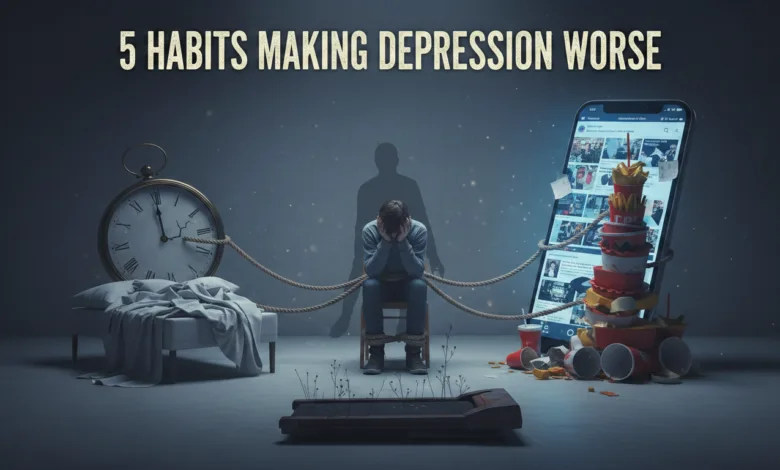
5 Habits That Are Worsening Your Depression
The past few weeks have been quite challenging for me. There have been countless sleepless nights where I found myself lying in bed, aimlessly staring at the ceiling while a flood of thoughts raced through my mind. It felt like depression was once again consuming me. I experienced a sense of entrapment, as if I were an unwilling prisoner in my own body, shackled by my own thoughts. I desperately wished for the chaos to stop; I wanted to scream in frustration. Engulfed by despair, it seemed as if depression was siphoning every ounce of joy from my life.
This episode stretched on for weeks, trapping me in a nightmarish reality. While stress was the primary culprit behind my downward spiral, I soon recognized that some of my daily habits were also contributing to my descent. With this realization, I committed to identifying these unhealthy patterns and gradually changing them in the hopes of making those dark days a little brighter. Today, I’d like to share five habits that I discovered were exacerbating my depression, and I invite you to join me on this journey of healing, one step at a time.
Dwelling on Stressful Situations
Stress has an uncanny ability to drag me back into the depths of despair. When faced with a challenging situation, I often find myself fixating on it instead of seeking solutions. Rather than actively addressing the issue, I get trapped in a cycle of repetitive thoughts that only serve to worsen my mental state.
Coping with stress is particularly tricky when managing depression. I’ve learned that it’s essential to fight back and develop healthier stress-management strategies. To do this, I started identifying the specific actions or environments that help me feel more relaxed. Implementing these calming elements into my routine has been a game-changer, steering me away from those consuming thoughts and helping me regain a sense of control.
Avoiding Sunlight
There was a time when I loathed sunlight streaming through my windows; it felt like a reminder that I had to face another painful day. In an effort to shield myself, I hung thick, dark curtains, unaware that this choice was actually doing more harm than good. My sister eventually convinced me to remove them, leading me to the realization that avoiding sunlight was counterproductive.
Experiencing even a hint of sunlight can lift my spirits, appearing almost cliché but offering a glimmer of hope: perhaps today would be different. While it didn’t solve all my problems, allowing sunlight into my space made everything feel a bit more manageable.
This post contains affiliate links. If you make a purchase through my links, I may receive a small commission at no additional cost to you. I only recommend products I truly believe in.
Neglecting Physical Activity

When battling depression, even mundane tasks like getting out of bed can feel Herculean. Activities such as taking a shower often become insurmountable chores, and staying in bed becomes the path of least resistance—not out of laziness, but sheer inability. However, every time I let depression tether me to my bed, I inadvertently give it power over my life.
Just the other day, I faced another dark moment. I lay in bed, vacantly staring into space, when my sister persuaded me to go swimming. It took nearly all my remaining energy to agree, but once I was in the water, I felt lighter. I laughed, and for a fleeting moment, the weight of the world lifted.
If you find yourself in a similar situation, I encourage you to seek out activities that bring you joy. Although it may seem overwhelming at first, starting small can be effective. Set manageable goals, and if you find the strength to accomplish one task, challenge yourself to take on another. Every small step counts.
Consuming Negative News
I used to enjoy keeping up with current events; they felt engaging and informative. However, since being diagnosed with depression, my news consumption shifted. The stories filled with negativity began to overshadow my spirit and exacerbate my feelings of despair. Witnessing the harsh realities of life—crime, tragedy, and suffering—dialed up my anxiety and deepened my depression.
While staying informed has its merits, the emotional toll it can take is often not worth it. I began to notice that my mood significantly worsened after watching the news, leading me to reconsider my viewing habits.
Social Isolation
When life spirals out of control and your inner demons seem relentless, it can be incredibly challenging to reach out for help. I often found myself overwhelmed by the prospect of talking to someone or seeking support. Asking for help seemed insurmountable when even getting out of bed felt like too much.
Initially, I grappled with the fear of being judged or dismissed. However, I soon realized that opening up to those around me didn’t lead to the negative responses I feared. Many people may not fully understand your experiences, but they can be there to listen and offer support.
Shattering the walls of social isolation has been a vital step in my healing process. While changing these detrimental habits may not eradicate my depression, they undeniably make the journey feel more manageable. Identifying and altering these negative patterns, even one day at a time, offers a glimmer of hope.
The Importance of Self-Compassion
Let’s talk about an often overlooked aspect: self-compassion. It’s easy to slip into a cycle of self-blame while battling depression. However, I have discovered that being kind to myself is not just important—it’s essential. Acknowledging that I am going through a tough time, without chastising myself for it, creates a supportive inner dialogue.
Practice self-compassion by treating yourself as you would a close friend. When defeat looms over you, instead of berating yourself, remind yourself that it’s okay to have hard days. Allow room for mistakes and missteps.
Seeking Professional Help
Changing harmful habits is vital, but it’s equally important to seek professional support. Therapy adds another layer of understanding and healing. Don’t hesitate to reach out to a mental health professional who can provide guidance and coping strategies tailored to your needs.
Therapists can help you unpack your feelings, equipping you with the tools necessary to emerge from the shadows of depression. Engaging with a professional can be a transformative experience, offering a sense of connection and validation.
Building a Support Network
As I began to open up, I realized the significance of building a reliable support network. Friends, family, or even support groups can offer an invaluable lifeline during difficult times. Sharing your struggles and talking about your experiences can combat isolation and reinforce that you are not alone in this fight.
Consider connecting with like-minded individuals who share similar struggles or experiences. These relationships can help foster a sense of community and camaraderie that is essential during darker times.
Embracing Mindfulness and Meditation
Another habit that has played a significant role in my recovery journey is practicing mindfulness and meditation. Integrating these practices into my daily routine has equipped me with tools to manage anxiety and stress. Mindfulness encourages me to be present and grounded, even in challenging moments.
Meditation can seem intimidating at first, but you don’t need to sit cross-legged for hours to reap its benefits. Just a few minutes of focused breathing or guided meditation can create a sense of calm and clarity. Finding a quiet space where you can disconnect from the chaos—even if just for a few minutes—affords you the opportunity to recharge mentally and emotionally.
Cultivating Healthy Relationships
Maintaining healthy relationships is essential to counteract the negative influence of depression. Nurturing friendships that are positive, uplifting, and understanding can significantly impact your well-being. Surrounding yourself with individuals who offer unconditional support, encouragement, and love can create a buffer against the dark clouds of depression.
Engage in activities that foster these relationships. Whether it’s a simple coffee outing, movie night, or even a hike, investing time in others can lighten your emotional load and remind you of the joy and support available in your life.
Prioritizing Sleep Hygiene
Sleep disturbances are often a core issue linked to depression. Prioritizing good sleep hygiene can make a world of difference. Establish a consistent bedtime routine that signals your body that it’s time to wind down. Avoid screens and bright lights in the hour leading up to sleep, and create a relaxing environment conducive to rest.
Consider activities such as reading, journaling, or gentle stretches before bed to promote relaxation. By focusing on healthy sleep habits, you may find yourself feeling more energized and able to face the challenges of each day.
Conclusion
Finding yourself entrenched in depressive habits can feel overwhelming, but by recognizing and altering them, even small victories can pave the way for healing. It’s a journey—one that requires patience, persistence, and self-compassion. Together, we can identify the habits that worsen our depression and actively work towards change.
Remember, seeking help, embracing self-compassion, cultivating connections, and prioritizing your mental health are invaluable as you navigate this path. Your journey may not always be linear, but each step forward is worth celebrating. Keep fighting, and know that brighter days are within reach.