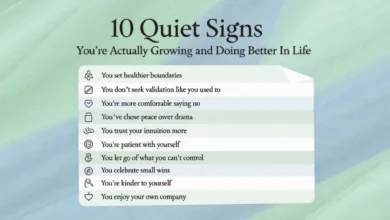
How To Live A Peaceful Life: 8 Important Steps
How to Live a Peaceful Life: 8 Essential Steps
In our fast-paced world filled with noise and chaos, the idea of achieving a peaceful life may seem unattainable. For years, I shared this sentiment, convinced that peace was a place we arrived at only when everything else in life finally fell into place. I envisioned it as a destination, something attained when all our challenges were resolved and life felt perfect. However, I eventually learned that this mindset is unrealistic. The truth is, life is inherently unpredictable, filled with highs and lows that can disrupt even our best-laid plans.
If we tie our sense of peace solely to achieving a flawless state of being, we risk setting ourselves up for repeated disappointment. From my personal experiences, especially during tough times, I found that peace isn’t about having everything worked out. Instead, it’s about gracefully navigating life’s uncertainties and finding serenity amidst the chaos. It involves nurturing an inner calm, regardless of the turbulence around us. It’s also about embracing the small joys of everyday life and accepting the unpredictability that life inevitably brings.
Life is far too precious to be spent in a state of constant anxiety. You have the power to cultivate a serene existence—a life where happiness and contentment are not mere aspirations but lived realities. In this article, I will share the steps I took to lead a more peaceful life and enhance my happiness. I hope these insights resonate with you as they did with me.
1. Learn to Let Go of Control
How often do you find yourself investing endless energy trying to predict outcomes and plan for every scenario? I used to do this constantly, burdened by what many might call a “control freak” mentality. I would meticulously outline plans A, B, C, and sometimes even D, believing that by trying to control every detail, I could shield myself and my loved ones from harm. Unfortunately, that’s a fallacy. No amount of planning can guarantee that everything will unfold as intended. Life has a way of throwing curveballs that can upend even our best strategies.
The pressure of trying to control every situation ended up causing me significant stress and anxiety. It didn’t prevent failure or mistakes; rather, it amplified feelings of frustration and disappointment. I’ve discovered that one of the most liberating paths to inner peace is to release the need for control. Letting go doesn’t mean irresponsibly leaving everything to chance. It involves accepting that some things are beyond our power and directing our focus toward what we can genuinely influence. This shift not only eases anxiety but also fosters a more effective engagement with life. By relinquishing the urge to control, we open ourselves to fully experience each moment, engaging more deeply in what brings us true joy.
2. Disconnect
In a world dominated by technology, many of us find ourselves perpetually connected. With constant notifications, emails, and updates, the digital world can easily become overwhelming. Taking intentional breaks from technology is crucial for both our mental and emotional health. I began this process gradually, starting with designating tech-free zones in my home, like the bedroom and dining area. This simple action improved my sleep quality and encouraged meaningful interactions during meals with loved ones.
Additionally, I set aside specific times during weekends to completely unplug from all screens. These moments, whether spent reading or simply enjoying nature, became my sanctuary—allowing me to recharge and find peace amid the noise. Disconnecting from technology introduced more calm and joy into my life. I began to see the beauty in everyday moments that had previously slipped by unnoticed, all thanks to the constant flood of online activity. So don’t hesitate to take a break for yourself; it’s a necessary act of self-care that can give you the breathing space you need to reset.
3. Practice Gratitude

Integrating gratitude into our lives is a vital step toward achieving peace. Although it may sound cliché, the practice of gratitude often feels difficult, particularly during challenging times. I, too, struggled with this concept. When I hit rock bottom, hearing people suggest I just “look on the bright side” felt dismissive. I was fixated on my problems, thinking that doing so would motivate me to make necessary changes. Instead, that mindset led me to a deeper sense of defeat.
Gratitude is not about denying our struggles or minimizing our pain; it is about acknowledging that good things can coexist with the bad. It allows us to find even the smallest rays of hope amidst the toughest days. Practicing gratitude changes our perspective and facilitates a sense of calm even in the stormiest seasons. I found value not only in major blessings but also in the mundane aspects of life—a warm cup of coffee or a sunny day. Recognizing these little joys reminds us that even in tough times, there are still reasons to be thankful.
4. Be Kind to Yourself
Self-criticism is something we all fall prey to. Many of us are all too familiar with being our own worst enemy, constantly ruminating over our perceived mistakes and flaws. I have been guilty of harshly criticizing myself to the point where it eroded my confidence. Rather than pushing me to improve, this negative self-talk left me paralyzed with doubt.
It is essential to treat ourselves with the same compassion that we offer others. Self-love is crucial for personal growth and happiness; it comes from nurturing our hearts rather than beating ourselves up. Remember, living a peaceful life involves being gentle with yourself. If you are struggling with self-love, consider taking a 30-day self-love challenge to help shift your mindset.
5. Set Realistic Goals
Setting realistic goals is often overlooked, especially in a culture that glamorizes lofty dreams and high expectations. For a long time, I believed that aiming for ambitious, sometimes unattainable goals would drive me toward success. But that belief only led to anxiety and feelings of inadequacy when I failed to reach these standards. The pressure I’d put on myself resulted in sleepless nights, and often, paralyzed me from taking action due to feeling overwhelmed.
There is nothing wrong with setting achievable goals that recognize our current capabilities. It doesn’t mean settling for less; instead, it’s about planning our growth in ways that are both challenging and attainable. The path to a peaceful life is less about pushing our limits and more about finding balance and contentment in our efforts. Understanding and respecting our personal growth pace leads to a more sustainable journey toward achieving our dreams.
6. Simplify Your Space
A cluttered environment can significantly affect your mental state. When our space is filled with chaos, maintaining a sense of peace becomes an uphill battle. Although it might seem daunting to declutter, you don’t have to tackle it all at once. Start small—focus on one drawer, shelf, or corner each time. This allows the process to feel more manageable rather than overwhelming.
As I began simplifying my surroundings, I discovered that a less cluttered space not only reduced distractions but also created a clearer mindset. The act of simplifying invites peace into your life by eliminating unnecessary chaos. Small changes in your environment can lead to substantial improvements in how you feel.
7. Set Clear Boundaries
How often do you push yourself to the brink of exhaustion rather than saying no to additional responsibilities? Many of us struggle with this, fearing that saying “no” might let others down. I found myself in the same situation, often thinking my value was tied to how much I could do for others. This mindset led me to sacrifice my peace in the pursuit of pleasing others.
Establishing clear boundaries is pivotal for our mental health and well-being. Knowing your worth isn’t contingent on how useful you are to others allows you to honor your own needs. Setting boundaries is not unkind; it’s an acknowledgment of your limitations and the necessity of prioritizing your well-being. True friends will understand and respect your boundaries; those who don’t may benefit from your lack of them.
8. Practice Forgiveness
Forgiveness can be one of the toughest hurdles we face on the path to peace. It often feels contradictory—how can one move forward without addressing past wounds? I used to think that holding onto my resentment protected me from future hurt. My experiences made me feel unworthy, and I carried that burden far longer than necessary.
I learned that forgiveness is a gift we give ourselves. It’s not about justifying wrongdoing but about releasing the hold that anger and pain have over our lives. By choosing to forgive, we liberate ourselves from past grievances and open the door to healing and peace. Allow yourself the grace to let go of the weight you’ve been carrying. You are deserving of a lighter heart and a brighter future.
Final Thoughts
Achieving a peaceful life is not a quick fix. It’s a continuous journey and a daily choice to engage in practices that nurture our well-being. Be patient with yourself as you explore what brings you peace. Take the time to identify triggers of stress and actively seek out methods to lessen them in your life.
In the end, you hold the power to create the calm and happiness that you desire. Take one step at a time, and do not forget that you are not alone in this process. The journey may be challenging, but every effort made toward cultivating peace is worthwhile. Remember, you got this!
This post contains affiliate links. If you make a purchase through my links, I may receive a small commission at no additional cost to you. I only recommend products I truly believe in.