
High Volume Low Calorie Foods: 20 Foods That Fill Your Plate Without Adding Fat
Most people think weight loss requires eating tiny, miserable bird portions. You sit down with a half-cup of brown rice and a tiny piece of fish, look at your plate, and feel deprived before you take your first bite.
Here is the biological reality: your stomach does not have a calorie counter inside it. It has stretch receptors. It senses physical volume and weight, not numbers on a nutrition label.
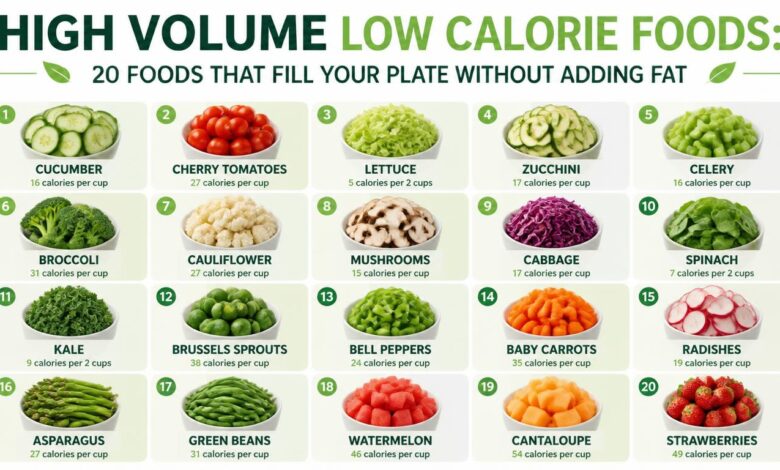
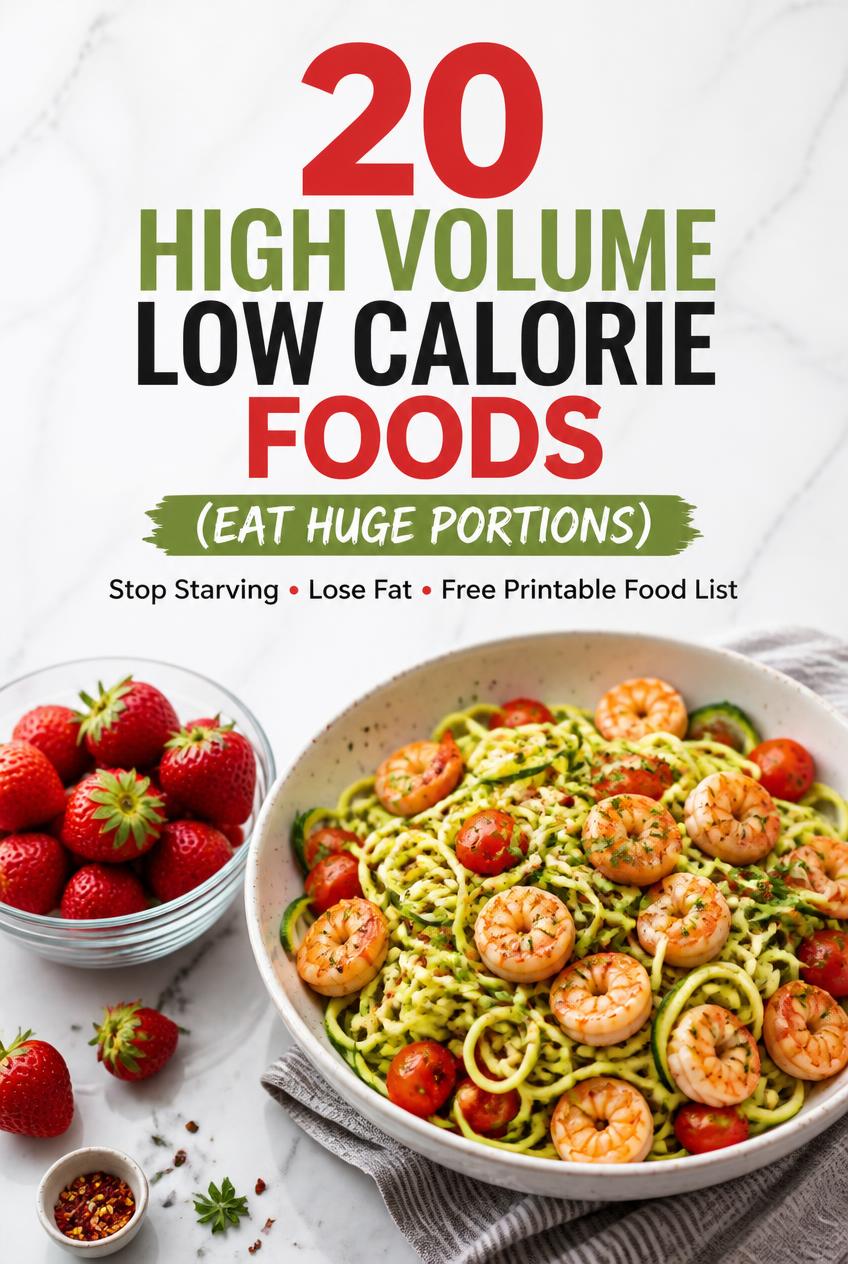
That is why volume eating changes everything. By choosing high volume low calorie foods—ingredients packed with natural water, plant fiber, and lean protein—you can eat massive, colorful plates of food while remaining in a steady calorie deficit. Below are 20 of my favorite everyday grocery items that allow you to eat until you are completely satisfied, without sabotaging your progress.
Download the Free Volume Eating Grocery Cheat Sheet
Get this printable 20-food volume guide, practical kitchen swaps, and an organized grocery checklist delivered to your inbox.

Understanding Calorie Density (Eat More, Weigh Less)
In nutritional science, calorie density is the number of calories in a specific weight of food (usually measured per 100 grams).
Think about this comparison:
Two tablespoons of peanut butter contain roughly 200 calories. It takes about thirty seconds to swallow, barely coating the bottom of your stomach. For those same 200 calories, you could eat nearly two pounds of fresh zucchini or six whole cups of strawberries.
Which one triggers your stomach’s stretch receptors and sends fullness signals to your brain? The zucchini and strawberries win every single time.
When you build meals around high-volume staples, you get three huge benefits:
- Physical Stomach Fullness: Water and soluble fiber expand in the gut, slowing digestion and suppressing hunger signals.
- Visual Satisfaction: Seeing a heaped, generous plate tricks your brain into feeling satisfied before you even start chewing.
- Consistent Deficit Without Hunger: You stay well below your daily calorie maintenance without the mental torture of tiny portions.
- Need tighter calorie targets? Check our 1,200 Calorie Meal Plan and 1,400 Calorie Meal Plan.
- Balanced baseline plans: review our 1,500 Calorie Meal Plan, the foundational 7-Day Weight Loss Meal Plan, and our Calorie Deficit Meal Plan.
- Looking for high-protein recipes? Explore our guides on High Protein Breakfasts, High Protein Dinners, and Low Calorie Snacks.
- Higher energy demands? Check our 1,800 Calorie Meal Plan and 2,000 Calorie Meal Plan.
Not sure of your daily calorie ceiling? Calculate your maintenance calories using our free calorie calculator.
Amelia’s 3 Kitchen Hacks for Massive Volume
In my own kitchen after gym sessions, I turn ordinary dishes into giant meals using three simple tricks:
- The “50/50 Carb Cut”: Never eat plain white rice or regular pasta by itself. Mix brown rice 50/50 with cauliflower rice, or toss regular pasta with an equal amount of spiralized zucchini noodles. You cut the calories in half while keeping the plate huge.
- Liquid Egg Whites as a Bulk Agent: When making scrambled eggs or an omelet, combine one whole egg with 1/2 cup liquid egg whites and two handfuls of baby spinach. You get a massive breakfast skillet for under 200 calories.
- Add Cucumbers to Every Salad: Cucumbers are 95% water. Dicing an entire large cucumber into your lunch salad adds hefty crunch, hydration, and chew time for barely 30 calories.
The Top 20 High-Volume Low-Calorie Foods
All nutritional values are calculated using standard USDA FoodData Central data per typical serving size.
1. The Ultra-Low Calorie Vegetables
1. Zucchini (17 kcal per 100g)
The ultimate versatile vegetable. Spiralize it into zucchini noodles, dice it into scrambles, or grill thick planks with garlic powder. You can eat an entire bowl for almost no calories.
2. Baby Spinach (23 kcal per 100g)
Rich in iron and folate, spinach wilts down easily in eggs and pasta, or serves as a dense, high-volume bed for grilled chicken salads.
3. Cauliflower (25 kcal per 100g)
Grate it into cauliflower rice, mash it as a substitute for mashed potatoes, or roast florets with smoked paprika until crisp and caramelized.
4. English Cucumbers (15 kcal per 100g)
Crisp, hydrating, and crunchy. Perfect for dipping into tzatziki or slicing thin with rice vinegar, fresh dill, and sea salt.
5. Broccoli (34 kcal per 100g)
High in glucosinolates and fiber. Steaming or roasting broccoli florets creates substantial chewing volume that signals satisfaction to the brain.
6. Red & Green Cabbage (25 kcal per 100g)
Much crunchier and more durable than regular lettuce. Shredded cabbage bulks up stir-fries, tacos, and slaws without turning soggy.
7. Bell Peppers (31 kcal per 100g)
Sweet, juicy, and packed with vitamin C. Cut them into wide strips to scoop up hummus or Greek yogurt dip instead of using crackers.
8. White & Cremini Mushrooms (22 kcal per 100g)
Possesses a savory, meaty texture. Sauté them with garlic and herbs to bulk up lean beef burgers, omelets, and grain bowls.
9. Asparagus (20 kcal per 100g)
Naturally diuretic and high in prebiotic fiber. Roasted asparagus spears pair seamlessly with eggs in the morning or baked white fish at night.
10. Celery (14 kcal per 100g)
One of the lowest calorie foods in existence. Provides maximum crunch when paired with portion-controlled nut butter or low-fat dips.
2. Naturally Sweet High-Volume Fruits
11. Fresh Strawberries (32 kcal per 100g)
The lowest calorie berry. An entire pound of sweet strawberries contains fewer than 150 calories, making it a volume powerhouse for sweet cravings.
12. Watermelon (30 kcal per 100g)
Over 90% water by weight. A huge wedge hydrates your body, curbs sweet urges, and fills your stomach quickly on hot afternoons.
13. Cantaloupe & Honeydew Melon (34 kcal per 100g)
Sweet, aromatic, and fibrous. A massive bowl of cubed melon delivers high potassium and beta-carotene for modest calories.
14. Blackberries & Raspberries (43 kcal per 100g)
Packed with soluble fiber (over 6 grams of fiber per cup). Fiber slows gastric transit, keeping you satisfied long after finishing.
3. Lean Proteins & Volume Staples
15. Liquid Egg Whites (52 kcal per 100g)
Virtually pure bioavailable protein. Whisk them into regular eggs or oatmeal to double the physical volume without adding dietary fat.
16. Plain Non-Fat Greek Yogurt (59 kcal per 100g)
Thick, creamy, and high in protein (roughly 15g per half cup). Serves as an exceptional base for sweet parfaits or savory dips.
17. 2% Low-Fat Cottage Cheese (80 kcal per 100g)
Packed with slow-digesting casein protein that curbs hunger for hours. Excellent topped with peaches or cracked pepper and cucumbers.
18. Atlantic White Fish: Cod & Haddock (82 kcal per 100g)
Incredible protein density. A large 6-ounce fillet delivers over 30 grams of protein for only 140 calories, leaving ample room on your plate for sides.
19. Peeled & Deveined Shrimp (99 kcal per 100g)
Lean, fast-cooking shellfish. A generous bowl of 15 to 20 large shrimp provides nearly 25 grams of protein for around 100 calories.
20. Air-Popped Popcorn (31 kcal per cup)
A whole grain loaded with air and fiber. Eating 3 cups gives you crunch and hand-to-mouth satisfaction for fewer than 100 calories.
Print This Volume Eating Grocery Guide
Download the clean printable PDF guide with all 20 volume foods, kitchen swap charts, and our master shopping checklist.
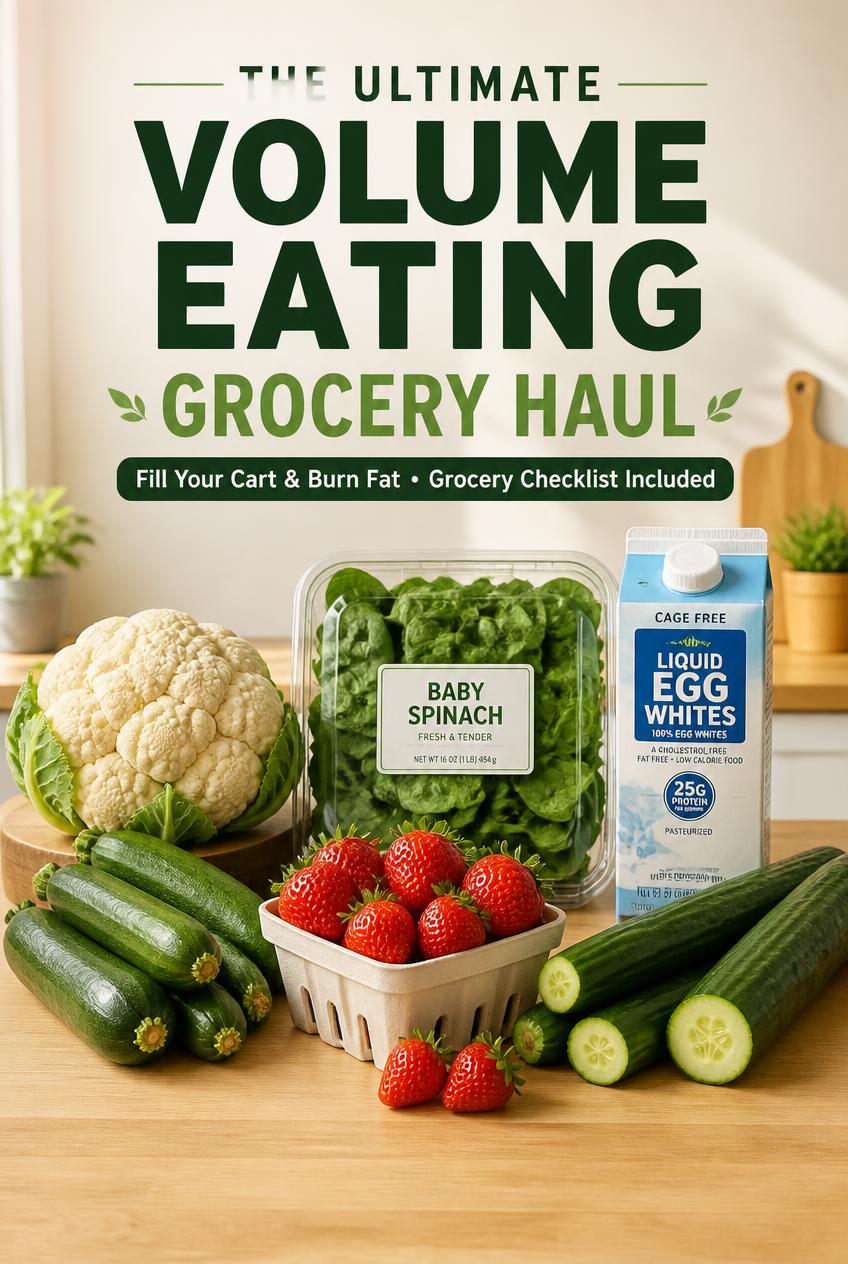
Your Volume Eating Grocery Shopping List
Stock up on these staples during your weekly grocery run to keep meal volume high and calories low.
High-Volume Produce
- Zucchini (4-5 medium)
- Baby spinach (large tub)
- Cauliflower heads or bagged riced cauliflower
- English cucumbers & celery stalks
- Broccoli crowns & asparagus spears
- Green & red cabbage
- White button or cremini mushrooms
- Bell peppers (multi-color pack)
Hydrating Fruits
- Fresh strawberries (large container)
- Fresh watermelon or cantaloupe
- Blackberries & raspberries
- Fresh lemons & limes (for seasoning)
Lean Volume Proteins
- Carton of liquid egg whites
- Large farm eggs (for yolk flavor)
- Plain non-fat Greek yogurt (32 oz tub)
- Low-fat 2% cottage cheese (two 16 oz tubs)
- Fresh cod, haddock, or tilapia fillets
- Peeled & deveined frozen shrimp
Pantry Essentials
- Plain popcorn kernels (for air-popping)
- Rice vinegar & red wine vinegar
- Everything bagel seasoning & garlic powder
- Smoked paprika & dried Italian herbs
- Olive oil cooking spray mister
Amelia’s Final Word: Never Go to Bed Hungry
Weight loss is a marathon of consistency, not a test of how much misery you can tolerate. If you finish dinner and feel starving thirty minutes later, your diet is not sustainable.
Learn to love volume eating. Fill half your plate with zucchini, broccoli, or salad greens, anchor it with lean protein, and enjoy eating large meals that fuel your active life. When your plate looks plentiful, your mind relaxes and fat loss takes care of itself.
Be kind to your body, give it real whole groceries, and enjoy every bite.
Frequently Asked Questions
Can I eat unlimited amounts of high-volume vegetables?
For watery non-starchy vegetables like cucumbers, spinach, and celery, you can eat almost as much as you want without disrupting a deficit. The only watch-out is how you prepare them: heavy butter, cheese, or unmeasured cooking oils turn low-calorie veggies into high-calorie dishes very quickly.
Does eating high-volume foods cause bloating?
If you suddenly jump from a low-fiber diet to eating piles of raw cruciferous vegetables (like broccoli, cabbage, and cauliflower), your gut microbiome may produce temporary gas. Increase your vegetable volume gradually over two weeks and drink plenty of water to give your digestive system time to adapt.
Can I still eat calorie-dense foods like peanut butter and avocado?
Yes, healthy fats from nuts, olive oil, and avocados are essential for hormone health and vitamin absorption. The strategy is to measure them precisely (such as 1 measured teaspoon of peanut butter or 1/4 avocado) while using high-volume foods to build up the bulk of your meal.
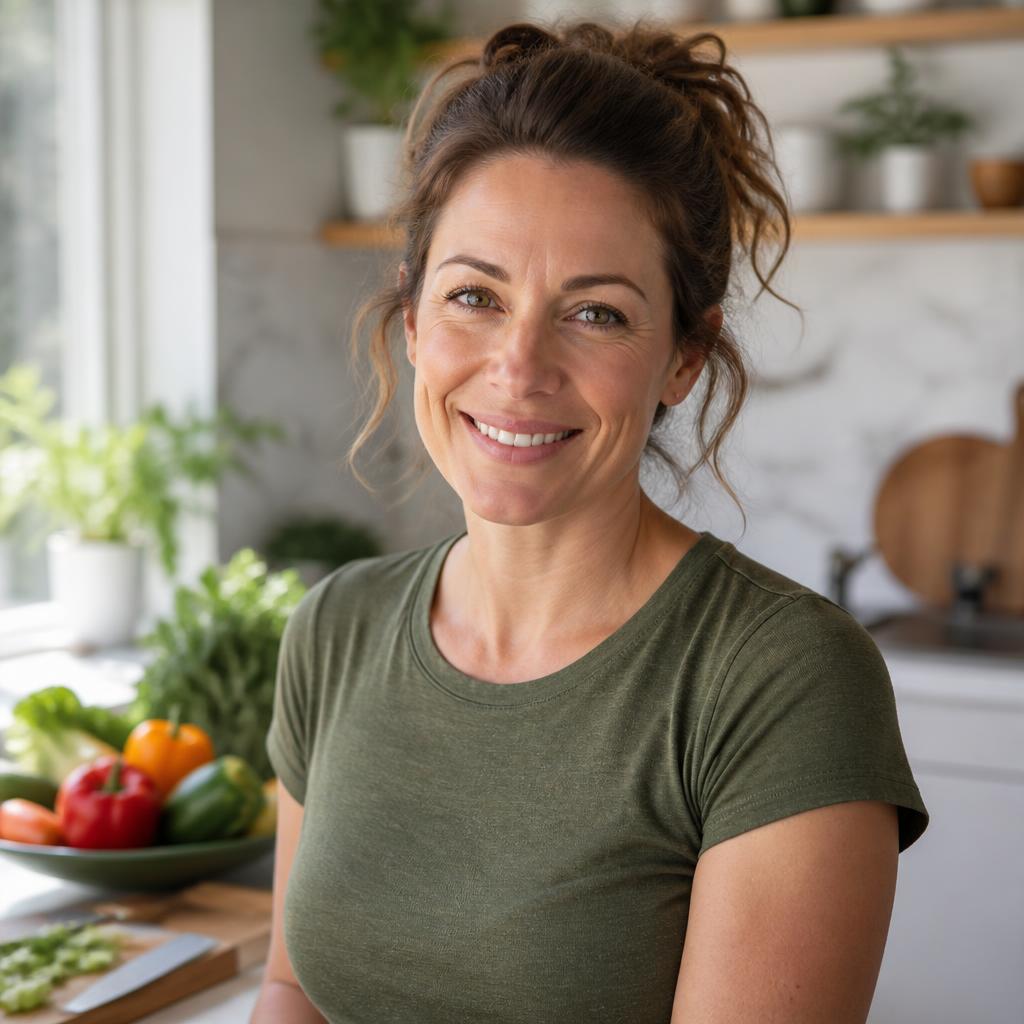
Written by Amelia
Nutritionist & Gym EnthusiastAt 38, I design practical, high-volume nutrition strategies that help active individuals reach fat loss goals without hunger. I advocate for whole supermarket groceries, generous plate sizes, and sustainable lifestyle habits.
Get Your Free Volume Eating Grocery PDF
Receive the full 20 high-volume low-calorie food cheat sheet, meal assembly ideas, and printable shopping list delivered straight to your inbox.