How to Choose Your First E-Bike Wisely
So you’ve been eyeing e-bikes for a while now. Maybe your doctor mentioned something about circulation in your legs. Maybe your knees ache on a regular bike. Or maybe you just want a fun, low-impact way to get moving again — without arriving at work looking like you swam there. Whatever brought you here, you’re in exactly the right place!
E-bikes (short for electric bicycles) have exploded in popularity over the past few years, and for good reason. They’re not just trendy — they’re genuinely life-changing for a huge range of people. But here’s the catch: the market is flooded, the jargon is confusing, and one wrong choice could leave you with a $1,500 paperweight collecting dust in your garage. Let’s make sure that doesn’t happen to you.
Why Your Legs Are Begging You to Get on a Bike
Before we dive into specs and features, let’s talk about why this matters on a physical level. Poor circulation in your legs is more common than most people realize — and it’s not just a “getting older” thing. Sedentary lifestyles, desk jobs, and even certain medications can all contribute to sluggish blood flow in the lower extremities.
Symptoms can range from that annoying “pins and needles” feeling to cold feet, swelling, and muscle cramps. Left unchecked, poor vascular flow can contribute to conditions like peripheral artery disease (PAD) or deep vein thrombosis (DVT) — and that’s no joke. The good news? Gentle, rhythmic movement — like pedaling — is one of the most effective natural ways to stimulate blood flow in your lower body. Your legs have major veins and arteries that respond incredibly well to the pumping motion of cycling. Think of it as giving your cardiovascular system a little tune-up every single day.
The E-Bike Advantage: More Than Just “Assisted Pedaling”
Here’s what skeptics get wrong about e-bikes: they think it’s “cheating.” Honestly? That’s like saying an elevator is cheating gravity. The whole point is that you actually use it — consistently, joyfully, without dread.
Studies show that e-bike riders tend to ride longer distances and more frequently than traditional cyclists, precisely because the pedal-assist feature reduces the intimidation factor. And here’s the kicker — you still pedal! The electric motor doesn’t replace your effort; it augments it. That means your muscles are still working, your heart rate is still elevating (moderately), and most importantly, blood is still pumping through those legs. So yes — an e-bike absolutely counts as exercise. Your doctor will be thrilled.
How to Choose Your First E-Bike Wisely: The Key Factors
Alright, let’s get into the meat and potatoes of this. Choosing your first e-bike wisely means understanding a few core categories. Don’t worry — I’ll keep this jargon-free (mostly).
1. Motor Type and Placement

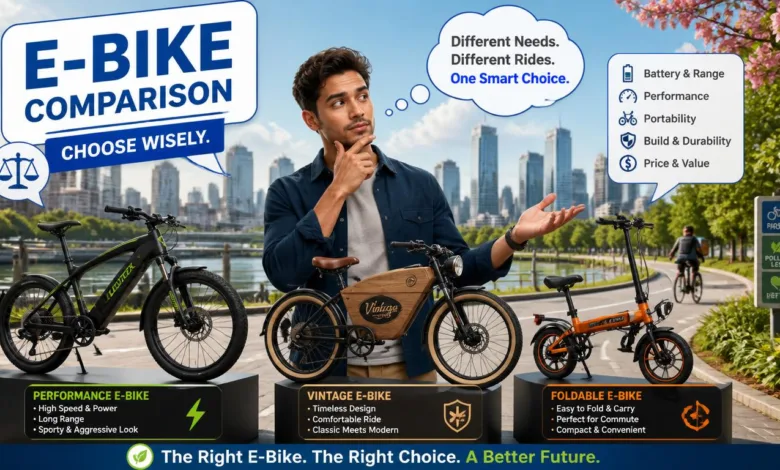
There are two main motor positions:
- Hub-drive motors — Located in the front or rear wheel. Great for beginners, generally more affordable, and low maintenance.
- Mid-drive motors — Positioned at the crank (where your pedals are). More natural riding feel, better for hills, excellent for people using the bike for fitness purposes.
If improving circulation in your legs is one of your primary goals, a mid-drive system is worth the extra investment. Why? Because it responds to your actual pedal torque, meaning it works with your natural cycling motion rather than just spinning you forward passively.
2. Battery Range
Range anxiety is real — it’s that nagging voice wondering if your battery will die three miles from home. Look for:
- Minimum 40-mile range for casual riders
- 50–70 miles if you plan longer weekend rides
- Removable batteries — a massive convenience win for charging indoors
Check out options like the Rad Power Bikes RadCity series on Amazon for well-reviewed commuter models with solid battery life.
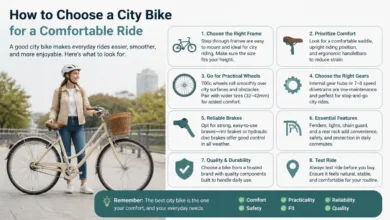
3. Frame Style and Comfort
This one’s personal. The two main styles are:
- Step-through frames — Lower crossbar, easy to mount and dismount. Perfect for those with joint issues or limited flexibility.
- Diamond frames — Traditional bicycle shape, slightly more structural rigidity.
For riders dealing with leg circulation issues or mobility challenges, step-through frames are a lifesaver. No more awkward high-knee swings over a tall crossbar!
4. Pedal Assist Levels (PAS)
PAS — Pedal Assist System — is the soul of an e-bike. Most bikes offer 3–5 levels:
- Eco/Level 1 — Minimal assist, maximum workout
- Level 2–3 — Balanced effort and assist
- Turbo/Level 5 — Full assist, minimal effort required
For fitness and circulation goals, you want to ride mostly in Levels 1–2 and save the higher levels for hills or when you’re genuinely fatigued. The key is keeping those legs moving, not coasting.
5. Weight and Portability
E-bikes are heavy — typically between 40 and 70 lbs. If you live in an apartment on the third floor (with no elevator, naturally), this becomes a very real problem. Look for:
- Foldable designs for compact storage
- Lightweight aluminum frames
- Bikes with carrying handles built in
Matching Your Bike to Your Health Goals
Not all e-bikes are created equal, and not all health goals are the same. Here’s a quick breakdown:
If your primary goal is improving circulation in your legs:
- Choose a mid-drive motor with natural pedal response
- Prioritize a comfortable saddle and ergonomic handlebar height
- Aim for daily rides of at least 20–30 minutes at a moderate pace
If you’re recovering from injury or surgery:
- Opt for a step-through frame for easy mounting
- Use higher PAS levels initially and gradually reduce
- Consider a recumbent e-bike style for reduced knee strain
If you want cardio + leg strengthening:
- Vary your PAS levels intentionally throughout rides
- Include some uphill routes to increase resistance naturally
- Track your heart rate with a wearable — most cardiologists recommend staying in the “fat-burning zone” (50–70% of max heart rate) for vascular health
The Psychology of Sticking With It
Here’s something fitness marketers won’t always tell you: equipment doesn’t change behavior — habits do. The most expensive e-bike in the world won’t help your leg circulation if it sits untouched in the corner.
The secret? Make the barrier to riding as low as humanly possible. Keep your bike near the door, not in a locked storage unit. Charge the battery before you need it. Plan short, enjoyable routes rather than ambitious epics. And here’s a mental trick from behavioral psychology — attach your ride to an existing habit (a.k.a. “habit stacking”). For example: “After I have my morning coffee, I take a 20-minute ride.” Done consistently, this becomes automatic within 3–4 weeks. That’s when the magic — and the real circulation benefits — starts to compound.
What to Look for When Shopping Online
Online shopping for e-bikes is totally doable, but you need to know what to look for:
- Verified reviews — Look for patterns in feedback, not just star ratings
- Return policy — A 30-day trial window is the gold standard
- Warranty — Minimum 1 year on the motor and battery
- Customer support — Can you actually reach a human? Test it before you buy.
Amazon has become a surprisingly solid resource for e-bikes, especially for brands like Ancheer, AVENTON, and Lectric XP. You can compare specs side-by-side, read thousands of real-world reviews, and often get free shipping on bulky items.
Frequently Asked Questions
Can an e-bike really help with circulation in my legs? Absolutely! Regular pedaling stimulates venous return — the process by which blood in your leg veins flows back toward the heart. Even 20 minutes of gentle cycling daily can make a measurable difference over time. Consult your physician if you have existing vascular conditions, but most doctors actively encourage low-impact cycling.
How much should I spend on my first e-bike? A reliable first e-bike typically runs between $800 and $2,000. Under $800 and you’re often gambling on quality. Over $2,000 is usually for enthusiasts or commuters with very specific needs. The sweet spot for health-focused beginners? Around $1,200–$1,500.
Is an e-bike suitable for seniors? Yes — and enthusiastically so! E-bikes are actually one of the best fitness tools for older adults precisely because you control the intensity. Step-through frames, comfortable saddles, and gentle pedal assist make them accessible for a wide range of fitness levels and mobility situations.
How often should I ride to see health benefits? Aim for at least 3–5 times per week, with rides of 20–45 minutes. Consistency beats intensity when it comes to circulatory health. Daily short rides are better than one exhausting weekly session.
What’s the difference between throttle and pedal assist? Pedal assist (PAS) activates the motor only when you pedal. A throttle lets you engage the motor without pedaling at all — more like a scooter. For fitness purposes, pedal assist is clearly preferable. Some e-bikes offer both, which is handy for rest periods or difficult starts.
The Final Lap: Your Smartest Move Yet
So there you have it — a complete, no-fluff guide on how to choose your first e-bike wisely. From motor placement to the psychology of habit formation, you’re now armed with everything you need to make a confident, well-informed purchase.
Remember what this is really about: movement, consistency, and taking care of that incredible body of yours. Whether you’re dealing with stiffness, sluggish circulation in your legs, or simply want to add more joy to your daily routine — an e-bike might genuinely be one of the best investments you make this year.
Don’t overthink it. Pick a solid model in your budget, commit to riding it regularly, and let the compound effect do its thing. Your legs — and your heart — will thank you.
Now go find your ride. The road is waiting! 🚴
Browse top-rated e-bikes for beginners and health-focused riders at Amazon.com