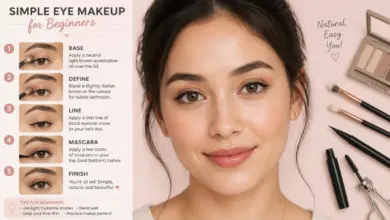
How to Do Makeup for Beginners: A Simple, No-Stress Guide
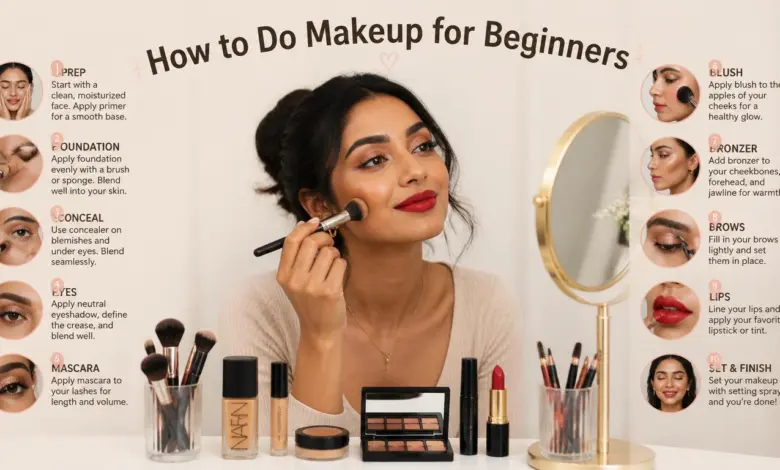
Staring at a pile of brushes and bottles can feel like standing at the bottom of a mountain with no map. This guide breaks down how to do makeup for beginners into small, doable steps, so you can go from “I have no clue” to “hey, that actually looks good” without the overwhelm.
So you’ve decided it’s time to figure out makeup, huh? Maybe you’ve watched a dozen tutorials and still feel lost, or maybe you’ve never touched a beauty product in your life and don’t even know where to start. Either way, you’re in the right spot. Learning how to do makeup for beginners doesn’t require an art degree or a drawer full of forty products. It just takes a little patience, the right basics, and someone to walk you through it without all the jargon.
By the time you finish reading, you’ll know exactly which products to grab, in what order to use them, and how to avoid the classic rookie mistakes that make so many people give up before they even get started. Let’s get into it!
Why Beginners Struggle With Makeup (And Why It’s Not Your Fault)
Here’s the thing nobody tells you: makeup tutorials online are often made by people who’ve been doing this for years. They move fast, they use ten products you’ve never heard of, and they skip over the little details that actually matter to someone just starting out. No wonder so many beginners feel like they’re failing before they even open a compact.
The truth is, most makeup struggles come down to a handful of fixable issues, like skipping skin prep, using the wrong shade of foundation, or applying products in the wrong order. Once you know what to fix, the whole process gets a lot less scary. And honestly? A lot of it comes down to practice. Nobody’s first winged eyeliner is perfect, and that’s perfectly okay.
Step One: Prep Your Skin Before You Touch a Single Brush
If you take away just one lesson on how to do makeup for beginners, let it be this one: skin prep makes or breaks everything that comes after it. Skincare brands like L’Oréal Paris and e.l.f. Cosmetics both point out that moisturizer hydrates and preps the skin while primer smooths pores and creates a barrier for foundation, and reversing that order can leave your look patchy or cakey.
Here’s a simple prep routine that works for most skin types:
- Cleanse your face with a gentle cleanser to remove dirt and oil.
- Apply a lightweight, non-comedogenic moisturizer suited to your skin type.
- Let the moisturizer sink in for a minute or two before moving on.
- Add sunscreen if you’re heading outside (yes, even in winter).
- Finish with a primer to smooth texture and help your makeup last longer.
Skincare experts at Ulta Beauty note that this kind of routine helps minimize clogged pores and irritation while creating a smoother base for whatever you put on top. Skip this step, and even the priciest foundation on the market won’t sit right.
Step Two: Build a Starter Kit Without Going Overboard
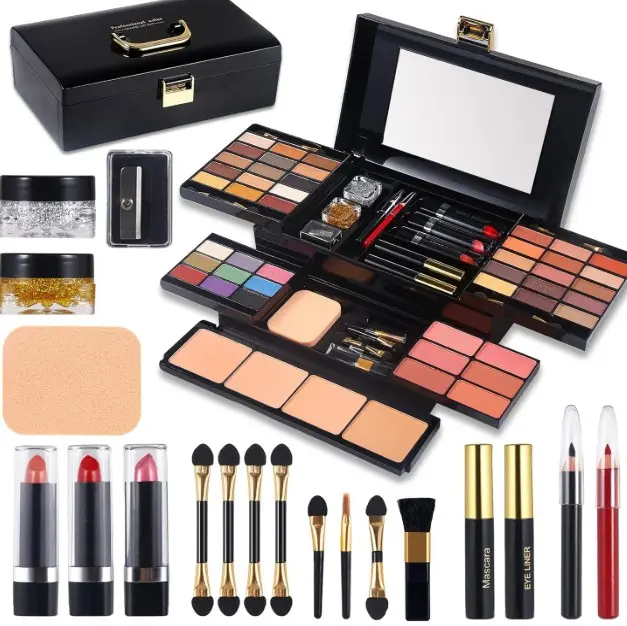
You do not need thirty products to look put together. In fact, most beginners do better with a small, focused kit they actually understand how to use. Trying to juggle a fifteen-step routine on day one is a recipe for frustration, not glam.
A solid starter kit usually includes:
- A tinted moisturizer or lightweight foundation matched to your skin tone.
- Concealer for under-eye circles and blemishes.
- A cream or powder blush for a natural flush.
- A neutral eyeshadow palette (think browns, taupes, and soft golds).
- Mascara to open up the eyes.
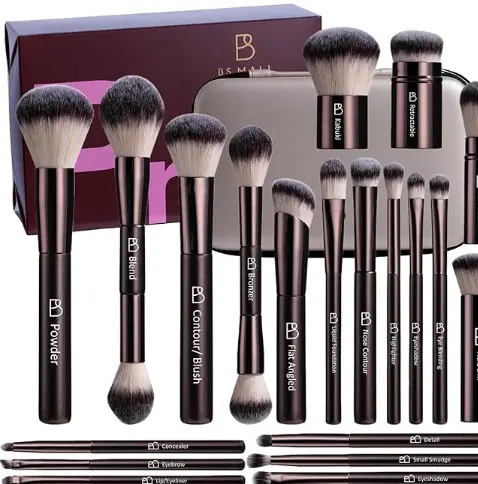
- A basic brush set, including a foundation brush, blending brush, and fluffy powder brush.
If you’d rather not hunt down each item separately, a lot of folks starting out grab an affordable beginner makeup kit on Amazon that bundles the basics together. It’s a fast, budget-friendly way to get everything you need without guessing what to buy first. A decent set of makeup brushes also goes a long way, since your fingers can only get you so far with blending.
Step Three: Learn the Order of Application
This is where a lot of beginners get tripped up. Makeup has a logical order, and once it clicks, you’ll wonder why it ever felt confusing. Here’s the general flow that most makeup artists follow:
- Primer (after skincare, as covered above)
- Foundation or tinted moisturizer
- Concealer, applied after foundation so you use less product
- Powder to set things in place, especially around the T-zone
- Blush, bronzer, and highlighter
- Eye makeup, including eyeshadow, eyeliner, and mascara
- Brows, to frame the whole look
- Lip color as the final touch
Not every step is mandatory, and that’s the beauty of learning how to do makeup for beginners at your own pace. Some days you’ll want a full face, and other days a swipe of tinted moisturizer and mascara will do the trick just fine.
Step Four: Master a Few Basic Techniques
Once you’ve got your products and your order figured out, technique is what ties it all together. Nobody expects you to nail a smoky eye on your first try, so don’t sweat it if things look a little uneven at first.
A few beginner-friendly techniques worth practicing:
- Blending foundation with a damp makeup sponge or brush in small circular motions, working outward from the center of your face.
- Concealing under the eyes in a triangle shape rather than just dabbing a dot, which brightens the whole area instead of one small spot.
- Applying blush on the apples of your cheeks, then blending up toward your temples for a natural flush.
- Filling in brows with light, feathery strokes rather than one heavy line.
Practicing in front of good lighting makes an enormous difference too. Ring lights are inexpensive, and honestly, trying to do your makeup in dim bathroom lighting is setting yourself up to be surprised the second you step outside.
Common Mistakes New Makeup Wearers Make
Everyone makes mistakes when they’re starting out, and there’s no shame in it. Knowing what to watch for, though, can save you a lot of trial and error.
- Choosing a foundation shade that’s too light or too dark for your neck and jawline.
- Skipping primer and wondering why makeup slides off by noon.
- Using too much product at once instead of building up gradually.
- Applying powder before foundation has had time to set, which leads to a cakey finish.
- Forgetting to blend the edges along the jawline and hairline.
Fix these five things, and you’ll already be ahead of a huge chunk of beginners out there.
Frequently Asked Questions
How long does it take to get good at makeup? Most people notice real improvement within a few weeks of regular practice, especially once they get comfortable with foundation matching and blending. Give yourself grace; this is a skill, not something you’re born knowing.
Do I really need a primer? Not always, but it helps a lot, especially if you have oily skin or want your makeup to last through a long day. Think of it as optional insurance for your look.
What’s the difference between concealer and foundation? Foundation evens out your whole complexion, while concealer targets specific spots like blemishes or dark circles. Using both together, in the right order, gives you the most natural-looking coverage.
Can I do makeup for beginners with just a few products? Absolutely! A tinted moisturizer, concealer, mascara, and a bit of blush can carry you a long way. You don’t need a full face of products to look polished.
How do I find my right foundation shade? Test shades along your jawline in natural daylight, not under store lighting. Your skin should blend into your neck without a visible line.
Is it normal to mess up at first? One hundred percent, yes! Even professional makeup artists had their first attempts look a little rough around the edges. Wipe it off, laugh it off, and try again.
Final Thoughts
Learning how to do makeup for beginners isn’t about perfection right out of the gate. It’s about understanding the basics, picking a handful of solid products, and giving yourself room to practice without being too hard on yourself. Skin prep, a simple starter kit, the right order of application, and a few core techniques will take you further than any twenty-step tutorial ever could.
Take it one step at a time, keep your kit small at first, and don’t be afraid to experiment. Before long, what feels awkward and fumbly today will turn into a five-minute morning routine you barely have to think about. Grab your beginner-friendly makeup essentials and get started. You’ve got this!