Simple Eye Makeup for Beginners: Your Easy, No-Fail Guide
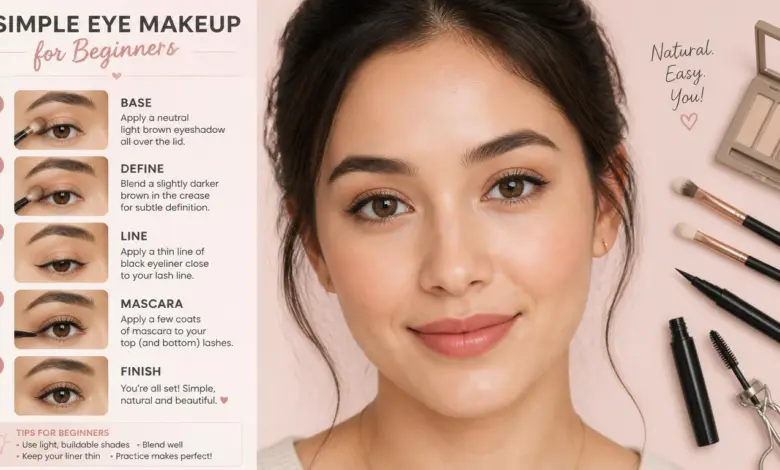
Ever stared at your eyeshadow palette and had absolutely no clue where to start? You’re not alone, hon! This guide walks you through simple eye makeup for beginners in plain English — no jargon, no fuss, just easy steps you can actually follow.
Your No-Fuss, No-Fail Starting Point for Gorgeous Eyes
So, you want pretty eyes, but every YouTube tutorial you’ve watched moves at lightning speed and uses about fifteen brushes you’ve never heard of? Yeah, we’ve been there too. The truth is, simple eye makeup for beginners doesn’t have to be complicated, expensive, or intimidating. In fact, once you get the hang of a few basic moves, you’ll be able to whip up a polished look in under ten minutes flat.
This guide is here to walk you through everything — from the tools you actually need (spoiler: it’s not that many) to the step-by-step application, common mistakes to dodge, and answers to the questions beginners ask most. By the end, you’ll feel confident enough to open that eyeshadow palette without breaking a sweat. Let’s dive in!
Why Starting Simple Actually Makes You Better, Not Worse
Here’s the thing nobody tells you: mastering simple eye makeup for beginners is actually the fastest route to becoming genuinely good at makeup, not a shortcut that holds you back. Think about it like learning to cook — you don’t start with a five-course tasting menu, you start with scrambled eggs. Once your hands know the basic motions, layering on complexity becomes way easier.
Rushing into smoky eyes or a cut crease before you understand blending is basically a recipe for raccoon eyes, and honestly, who has time for that on a Tuesday morning? A neutral, well-blended look also happens to be one of the most requested makeup styles for work, school, and everyday errands, so learning it first isn’t just practical, it’s genuinely useful for years to come. Slow and steady wins this race, folks.
The Tools You Actually Need (No, You Don’t Need Twenty Brushes)
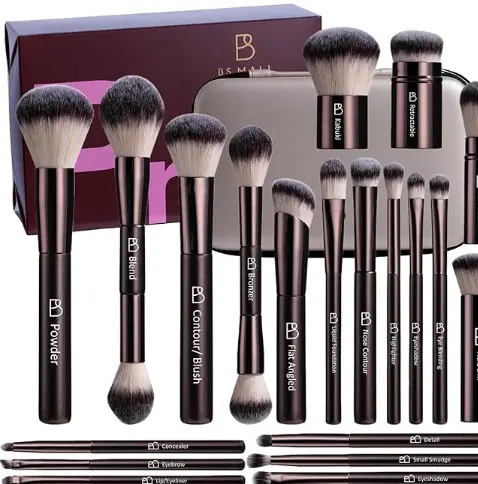
Before you even touch a palette, let’s talk toolkit. According to beauty educators, a solid beginner brush set really only needs three MVPs: a fluffy blending brush, a flat shader brush for packing on color, and a small detail brush for precision work near the lash line, and honestly, that trio will handle the vast majority of what you’re trying to do.
Here’s a simple starter shopping list:
- Eyeshadow primer — keeps color from creasing or fading by midday
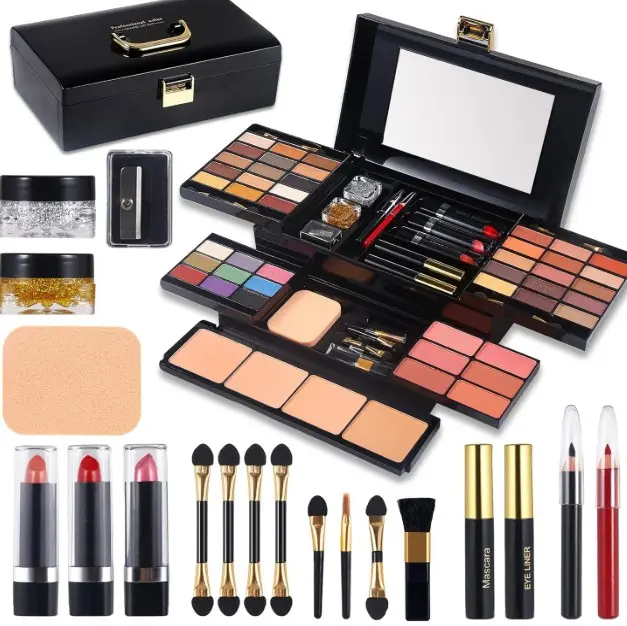
- Neutral eyeshadow palette — browns, taupes, and champagne tones are the most forgiving
- Fluffy blending brush — for softening edges so there’s no harsh line
- Flat shader brush — for packing pigment onto the lid
- Angled brush or pencil — for a simple liner
- Basic black or brown mascara — because lashes tie the whole look together
Want a solid all-in-one starter kit without the guesswork? A neutral eyeshadow palette on Amazon or a beginner makeup brush set on Amazon are both great, budget-friendly ways to get going without overthinking it.
Step-by-Step: How to Actually Apply It
Alright, grab your coffee and let’s get into the good stuff. This is the heart of simple eye makeup for beginners, and once you memorize this sequence, you’ll basically be able to do it on autopilot.
- Prime your lids first. Dab on a thin layer of eyeshadow primer and let it set for a minute. This one step alone prevents most of the creasing and fading that trips up beginners.
- Apply a light base shade all over the lid. Using your flat brush, sweep a neutral, skin-tone-ish shade from lash line to brow bone. This evens everything out and helps your other colors show up true to tone.
- Add a mid-tone shade to the crease. With your fluffy brush, work a slightly deeper shade back and forth right where your lid meets your socket. Windshield-wiper motion, don’t overthink it.
- Blend, blend, and then blend some more. Seriously, this is the step that separates “beginner” from “wait, did you get your makeup done professionally?” Keep going until there’s no harsh line between shades.
- Highlight the inner corner and brow bone. A tiny dab of shimmer or light shade here instantly opens up the eyes and makes them look brighter and bigger.
- Add a simple liner, if you’re feeling it. A thin line along the upper lash line, tightlined or winged, whichever feels right for you.
- Finish with mascara. Wiggle the wand at the base of your lashes and pull upward. Mascara should genuinely be your last step, not your first, so nothing smudges the rest of your work.
And honestly? That’s it. Seven steps, and you’re done.
Common Mistakes Beginners Make (and How to Dodge Them)
Let’s be real for a second — everybody messes up their eye makeup at some point, and that’s totally fine! But knowing the usual suspects ahead of time can save you a ton of frustration.
Skipping primer is probably the number one culprit behind creased, patchy eyeshadow by lunchtime, and it’s an easy fix that takes literally ten seconds. Another biggie is using too much product at once instead of building color gradually; a little goes a long way, and you can always add more, but you can’t easily take pigment away once it’s packed on. Overdoing the eyeliner wing before you’ve nailed a straight line is another classic beginner trip-up, so start thin and build confidence before you go bold.
- Not blending long enough (give it that extra thirty seconds, trust us)
- Using dark shadow too close to the brow bone
- Applying mascara before eyeshadow (hello, flaky lash fallout everywhere)
- Choosing shimmer shades that emphasize fine lines or texture
- Forgetting to tap off excess product before applying
Avoiding these little snags means your simple eye makeup for beginners routine goes from “meh” to “wow” pretty much overnight.
Picking Colors That Actually Work for You
One thing that trips up a lot of newbies is color choice. It turns out certain shadow tones tend to make specific eye colors pop more than others. For blue eyes, warm oranges, coppers, and rich browns tend to create striking contrast. Green eyes often look stunning with purples, plums, and warm burgundy tones, while brown eyes are wonderfully versatile and tend to look great with nearly any shade you throw at them 2026.
That said, don’t feel boxed in by “rules” — makeup is meant to be fun, and if you love a color that isn’t the “recommended” one for your eye color, wear it anyway! The tips above are simply a helpful starting point for beginners who aren’t sure where to even begin, not a rigid rulebook you have to follow to the letter.
Quick Tips to Make Your Look Last All Day
Nobody wants to redo their eye makeup halfway through the day, so here are a few tricks that’ll help your look stay fresh from your morning coffee to your evening plans.
Setting your look with a light makeup setting spray can make a genuinely noticeable difference, especially if you’re prone to oily lids or live somewhere humid. Using cream products underneath powder shadow, rather than instead of, can also help everything grip better and resist fading. And if you tend toward oily eyelids specifically, translucent powder pressed lightly over your shadow can lock things in place for hours longer than shadow alone.
A few more quick pointers:
- Always let primer set for a full minute before adding color.
- Use a damp brush for extra pigment payoff on special occasions.
- Keep a small mirror and cotton swab nearby for quick touch-ups.
- Store palettes with the lid closed to prevent shadow from drying out.
Frequently Asked Questions About Simple Eye Makeup for Beginners
How long does it take to get good at eye makeup? Honestly, it varies person to person, but most beginners start feeling noticeably more confident after about two to three weeks of regular practice. Muscle memory is a real thing, and your hands genuinely do get steadier with repetition!
Do I really need an eyeshadow primer? Yes, truly — this is the step that beginners skip most often, and it’s the one that causes the most creasing and fading complaints down the line. It’s a small investment that pays off big time.
What’s the easiest eyeshadow look for absolute beginners? A simple three-shade look (light base, mid-tone crease, and a touch of highlight) is the most forgiving place to start. It’s nearly impossible to mess up badly, and it looks polished every single time.
Can I use the same brush for different colors? You can, but it’s better to at least wipe your brush between shades so you don’t end up muddying your colors together. A quick swipe on a tissue does the trick.
Is liquid or pencil eyeliner easier for beginners? Pencil liner is generally considered more forgiving since it’s easier to smudge and correct mistakes with, whereas liquid liner requires a steadier hand and more practice.
Wrapping It Up: You’ve Totally Got This
At the end of the day, simple eye makeup for beginners is really about patience, practice, and giving yourself permission to mess up a little along the way. Nobody nails a flawless blend on their first try, and that’s genuinely okay! The more you practice these basic steps, the faster they’ll become second nature, and before long you’ll be reaching for your palette without a second thought.
So go ahead, grab that neutral palette, prime those lids, and get blending. You don’t need fancy tools or a hundred products to look put-together; you just need a few basics and a little bit of confidence. Here’s to your best eye makeup era yet!