7 Daily Habits To Help Improve Your Mental Health
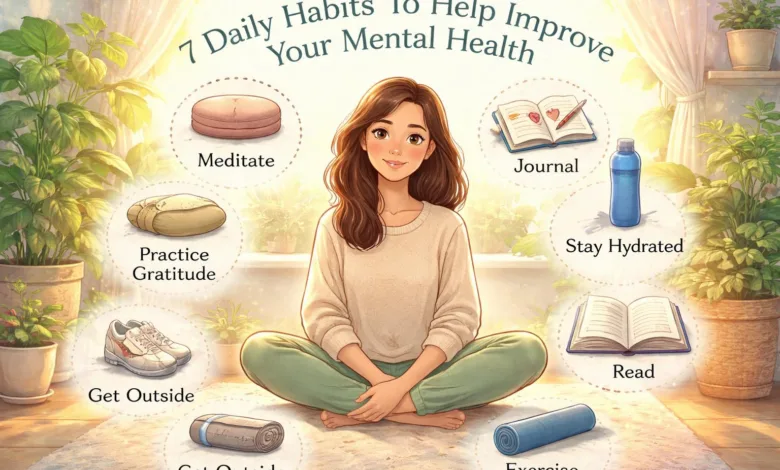
7 Daily Habits to Enhance Your Mental Health
Taking care of our mental health is essential for our overall well-being and happiness. For a long time, I underestimated its importance, mistakenly believing that physical health and fulfilling obligations were sufficient for a happy life. I relentlessly pursued goals, ignoring the emotional and mental exhaustion that accompanied such a demanding lifestyle. It was only after reaching a breaking point that I recognized the deep-rooted misery I had been ignoring.
In that moment of vulnerability, I came to understand that true happiness cannot rely solely on physical health or accomplishments. Our mental health holds equal importance, and neglecting it leads to a cycle of negativity that affects every aspect of our lives. Now, I firmly believe that prioritizing mental health is one of the keys to achieving lasting happiness and inner peace.
In this article, I’m excited to share seven daily habits that have significantly improved my mental health. I hope you find them valuable and that they inspire you to make self-care a priority in your life.
1. Complain Less
Do you find yourself nitpicking every little thing in your life? While expressing frustrations is healthy, habitual complaining can be counterproductive. Personally, I fell into this trap when I hit rock bottom. Instead of acknowledging my circumstances, I focused on minor inconveniences, exaggerating their impact on my life. My constant complaint became a way to justify my negativity, believing it propelled me to work harder.
But in truth, wallowing in complaints only worsened my mental state. I became trapped in hopelessness, unable to see solutions. It’s essential to balance expressing frustrations with a proactive approach to problem-solving. When you catch yourself complaining, pause and ask what you can do about the situation. This practice fosters awareness and encourages you to channel your energy into more productive thoughts.
2. Be Present
Have you ever found yourself lost in thoughts about what could have been or what might happen next? It’s easy to get caught up in future worries or past regrets. I know; I used to obsess over every ‘what-if’ as I tried to predict every possibility. While planning is crucial, too much time spent in the future only fuels anxiety.
By prioritizing the present, we can cultivate joy in everyday experiences. Being present doesn’t mean ignoring future responsibilities or goals; it’s about consciously engaging with the here and now. Mindfulness practices, such as taking a mindful walk or meditating, help anchor you to the moment, allowing you to appreciate life’s fleeting beauty.
3. Stop Negative Self-Talk

Are you your own harshest critic? Many of us fall into this pattern, constantly judging ourselves for imperfections and mistakes. I know I did. For years, I thought being self-critical would motivate me to improve, but the reality was different. My confidence dwindled while my mental health suffered, as the fear of making mistakes paralyzed me from seizing new opportunities.
If you relate to this, it’s crucial to practice self-compassion. Remember that making mistakes doesn’t diminish your worth. Learn to treat yourself with the kindness you’d offer a friend. Cultivating self-compassion paves the way for personal growth and resilience, enabling you to navigate challenges with a balanced mindset.
4. Cultivate Gratitude
Practicing gratitude daily is one of the most powerful methods for enhancing mental health. I used to dismiss gratitude as mere “toxic positivity.” Finding things to appreciate during tough times can be a challenge, especially when we feel overwhelmed by our struggles. But it was only during my darkest moments that I truly understood the strength gratitude provides.
Choosing to recognize even the small joys can transform your perspective. It’s not about ignoring pain but acknowledging that light exists alongside darkness. By practicing gratitude, you cultivate resilience and discover hope amid chaos.
This post contains affiliate links. If you make a purchase through my links, I may receive a small commission at no additional cost to you. I only recommend products I truly believe in.
5. Spend Quality Time Alone
Although our lives may be bustling with social obligations, carving out time for solitude is crucial for mental health. I once viewed alone time as a privilege rather than a necessity. This perspective shifted when I realized that neglecting solitude impacted my overall happiness.
Time alone allows you to recharge, refocus, and reconnect with your inner self. It doesn’t signify selfishness or neglect; it’s an investment in your ability to manage responsibilities with renewed vigor. Embrace alone time as an essential component of a balanced life.
6. Create a Bedtime Routine
Do you struggle to fall asleep because your mind races with thoughts? I certainly have experienced sleepless nights, swirling thoughts leading to mental exhaustion. It wasn’t until I faced this issue head-on that I began to implement a calming bedtime routine, despite my initial skepticism about its effectiveness.
Establishing a set bedtime, reducing screen time, and incorporating relaxing activities like deep breathing can significantly improve your sleep quality. The routine allows your mind to wind down, creating a peaceful transition to rest.
7. Embrace Forgiveness
Forgiveness is often one of the most challenging aspects of emotional well-being. I have harbored grudges for years, believing that they were protective shields. However, this pattern only imprisoned me, choking my growth and happiness.
The path to forgiveness isn’t about justifying the hurt but liberating yourself from emotional burdens. Each act of forgiveness lightens your emotional load, gradually chipping away at the walls resentment has built.
Final Thoughts
These seven habits can profoundly improve your mental health and enhance your quality of life. Remember, it’s not necessary to adopt all these practices at once. Begin with one or two, and observe how they impact your mental well-being. Self-care is a journey; be patient with yourself and adjust your approach as needed.
By making mental health a priority, you make an investment in your happiness. Remember, you deserve this. Embrace the journey, and know that I am cheering you on as you take these steps toward a more fulfilling life.