
Tired of Tofu? 10 Complete Plant-Based Protein Sources That Actually Keep You Full
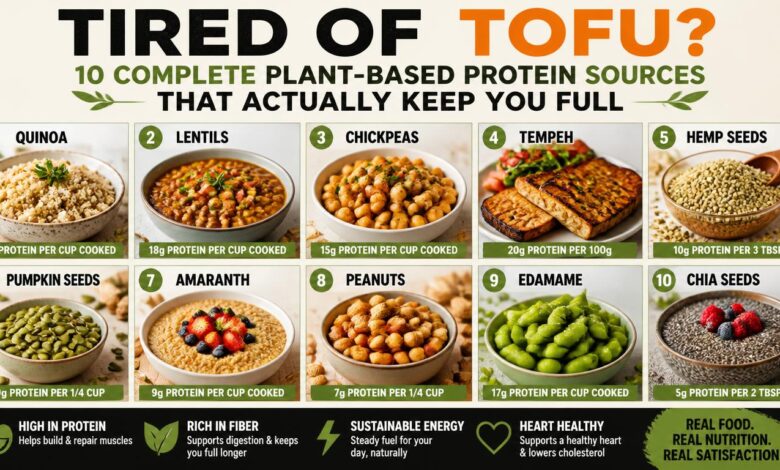
Finding high-quality plant-based protein sources is the most critical hurdle vegetarians and vegans face when trying to drop body fat without sacrificing lean muscle. If your idea of plant protein relies on ultra-processed faux meats or endless bowls of plain beans, staying full on a calorie deficit will feel like an uphill battle.
Many beginners transition to a plant-forward diet and accidentally swap protein for carbohydrates. They eat chickpeas, quinoa, and nuts thinking they are pure protein, only to wonder why their daily calories spike while muscle mass softens.
The key to successful plant-based body recomposition is understanding protein-to-carbohydrate density and essential amino acid profiles. Below, I break down ten outstanding whole-food options that deliver complete amino acids, support your metabolic rate, and make hitting 100 to 130 grams of protein daily completely achievable.
Get Amelia’s Plant-Based Protein Shopping Blueprint
Download our free printable vegan protein chart, complete amino acid pairing cheat sheet, and 7-day high-protein dinner menu straight to your inbox.
Why Complete Plant-Based Protein Sources Matter for Fat Loss
Your body needs twenty different amino acids to rebuild tissue, support immune function, and preserve resting metabolic burn. Nine of these are essential amino acids, meaning your body cannot manufacture them on its own—they must come directly from food.
Animal proteins naturally supply all nine essential amino acids in optimal ratios. Many plant foods, however, have one or two limiting amino acids (such as lysine in grains or methionine in legumes).
You do not need to meticulously combine proteins at every single bite. As long as you consume varied, nutrient-dense plant-based protein sources throughout a 24-hour window, your body pools the amino acids effortlessly to maintain muscle synthesis.
→ How to Calculate Your Protein Needs for Weight Loss
Explore our related nutrition blueprints and recipes:
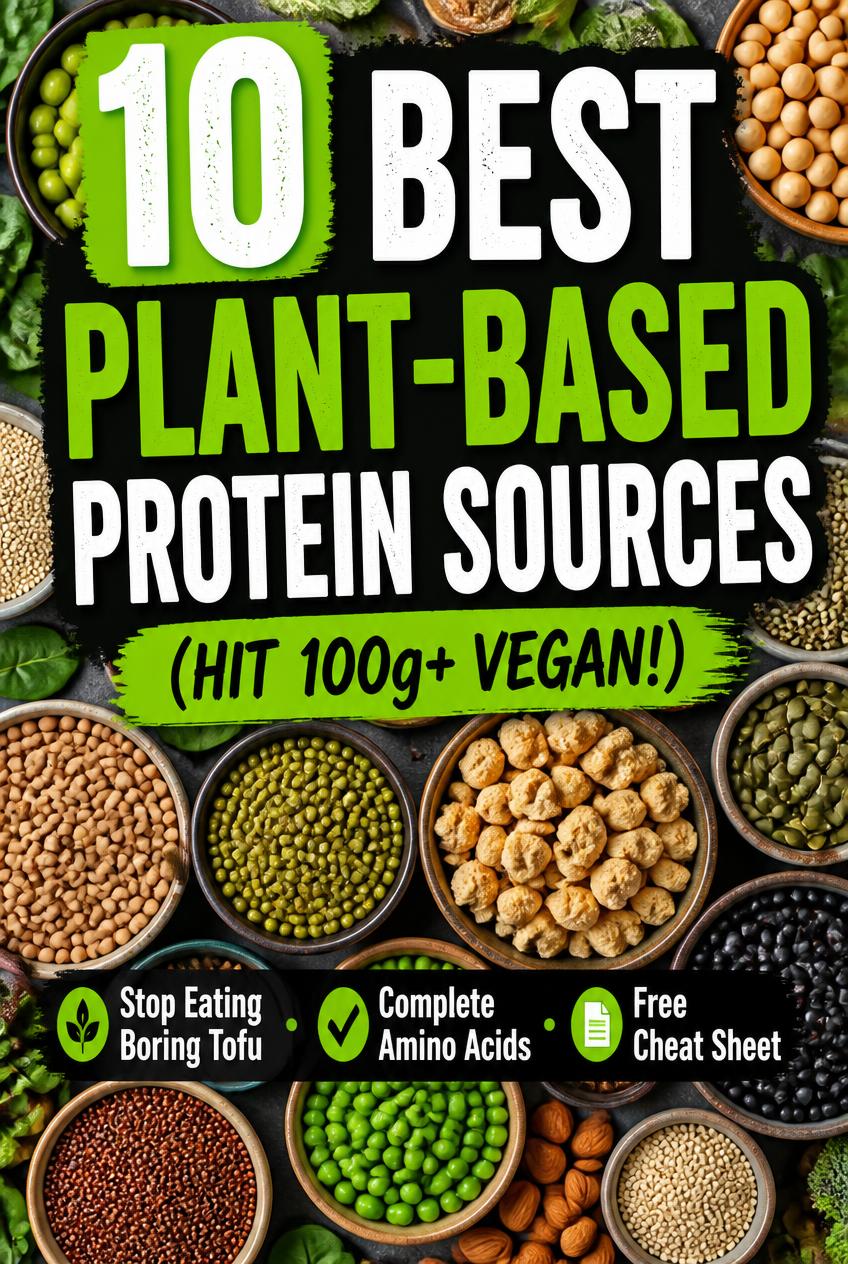
Visual Breakdown: Best Plant Proteins for Muscle & Fat Loss
Scroll sideways to watch registered dietitians and plant-based fitness coaches break down protein density and meal prep:
Top 10 Plant-Based Protein Powerhouses Ranked by Density
1. Organic Tempeh
Made from whole, fermented soybeans, tempeh is far superior to standard tofu in texture, nutrient density, and protein concentration. The fermentation process breaks down anti-nutrients (phytates), making its minerals and amino acids exceptionally bioavailable while providing gut-friendly prebiotics.
Per 1 cup (166g): 320 calories | 31g Protein | 16g Carbs (9g Fiber) | 18g Healthy Fats | Complete Protein: Yes
2. Steamed Edamame
Young soybeans in the pod are an unbeatable whole-food staple. Unlike processed protein powders, edamame delivers a naturally balanced package of complete amino acids and resistant fiber that stabilizes blood glucose for hours.
Per 1 cup prepared (155g): 188 calories | 18g Protein | 14g Carbs (8g Fiber) | 8g Fat | Complete Protein: Yes
3. Seitan (Vital Wheat Gluten)
If you tolerate gluten, seitan is the undisputed heavyweight of plant protein density. Made by washing starch away from wheat flour dough, it leaves behind pure wheat protein with a savory, dense texture that mimics poultry.
Per 4 oz (113g cooked): 160 calories | 30g Protein | 6g Carbs | 1.5g Fat | Complete Protein: Pair with lentils or soy
4. Extra-Firm Sprouted Tofu
Sprouted tofu offers higher digestibility and eliminates excess moisture before cooking. Press it for fifteen minutes, cut into cubes, and air-fry with smoked paprika, garlic powder, and tamari for crispy protein croutons.
Per 1/2 block (170g): 160 calories | 18g Protein | 4g Carbs | 9g Fat | Complete Protein: Yes
5. Cooked Brown or Green Lentils
Lentils are the bedrock of budget-friendly plant nutrition. Packing 18 grams of protein per cooked cup along with 16 grams of prebiotic fiber, they significantly elevate your satiety hormones and keep gut motility regular.
Per 1 cup cooked (198g): 230 calories | 18g Protein | 40g Carbs (16g Fiber) | 0.8g Fat | Complete Protein: Pair with whole grains
6. Fortified Nutritional Yeast
Affectionately nicknamed “nooch,” nutritional yeast is an inactive yeast that delivers a cheesy, nutty flavor. Just two tablespoons provide 8 grams of complete protein, zero fat, and over 100% of your daily vitamin B12 requirements.
Per 2 tbsp (16g): 60 calories | 8g Protein | 5g Carbs (4g Fiber) | 0.5g Fat | Complete Protein: Yes
7. Raw Shelled Hemp Hearts
Hemp seeds are a nutritional marvel: a complete plant protein rich in gamma-linolenic acid (GLA) and the ideal 3:1 ratio of omega-6 to omega-3 fatty acids. Sprinkle them over morning oats, salads, or roasted vegetables.
Per 3 tbsp (30g): 170 calories | 10g Protein | 2g Carbs (1g Fiber) | 14g Healthy Fats | Complete Protein: Yes
8. Pea Protein & Brown Rice Protein Blend
When combined, yellow split-pea protein (high in lysine) and brown rice protein (high in methionine) create an amino acid profile virtually identical to dairy whey. A single scoop provides rapid, bloat-free post-workout recovery.
Per 1 scoop (30g): 120 calories | 24g Protein | 2g Carbs | 1.5g Fat | Complete Protein: Yes
9. Canned Black Beans and Chickpeas
A staple of Mediterranean and Latin cooking, black beans and chickpeas provide steady, low-glycemic fuel. Mash chickpeas with tahini and lemon juice, or simmer black beans with cumin and roasted garlic for high-volume bowls.
Per 1 cup cooked (172g): 240 calories | 15g Protein | 42g Carbs (15g Fiber) | 1g Fat | Complete Protein: Pair with grains or seeds
10. Ancient Grain Quinoa
Unlike white rice or standard wheat, quinoa is an ancient Andean pseudocereal containing all nine essential amino acids. Use it as a nutrient-dense base for roasted vegetable bowls or cold summer salads.
Per 1 cup cooked (185g): 222 calories | 8g Protein | 39g Carbs (5g Fiber) | 3.5g Fat | Complete Protein: Yes
Plant-Based Protein Comparison at a Glance
Quick reference comparing protein grams, calorie density, and completeness:
| Food Source | Standard Serving | Protein | Calories | Complete Amino Profile? |
|---|---|---|---|---|
| Organic Tempeh | 1 cup (166g) | 31g | 320 kcal | Yes |
| Seitan (Wheat Gluten) | 4 oz (113g) | 30g | 160 kcal | Combine with legumes |
| Pea & Rice Blend | 1 scoop (30g) | 24g | 120 kcal | Yes |
| Extra-Firm Tofu | 1/2 block (170g) | 18g | 160 kcal | Yes |
| Cooked Green Lentils | 1 cup (198g) | 18g | 230 kcal | Combine with grains |
Amelia’s 3 Rules to Hit 100g+ Protein on a Vegan Diet
If you struggle to hit high protein numbers without exceeding your calorie limit, follow these three rules:
- Anchor Every Meal With an Isolated Protein: Do not rely only on quinoa or beans as your main protein. Start your plate with a concentrated block: tempeh, seitan, extra-firm tofu, or a plant-protein shake (providing 25–35g protein alone).
- Use High-Protein Condiments: Replace standard salad dressings and dips with whipped tofu spreads, tahini-lemon sauces, or two generous tablespoons of nutritional yeast sprinkled over your meal.
- Soak and Rinse Legumes Thoroughly: Soaking dry beans with a pinch of baking soda and discarding the soaking water removes oligosaccharides, preventing post-meal digestive bloat and enhancing mineral absorption.
Get Amelia’s 7-Day High-Protein Vegan Meal Plan
Delicious, whole-food plant recipes hitting 120g+ complete protein daily with pre-calculated macros and grocery lists.
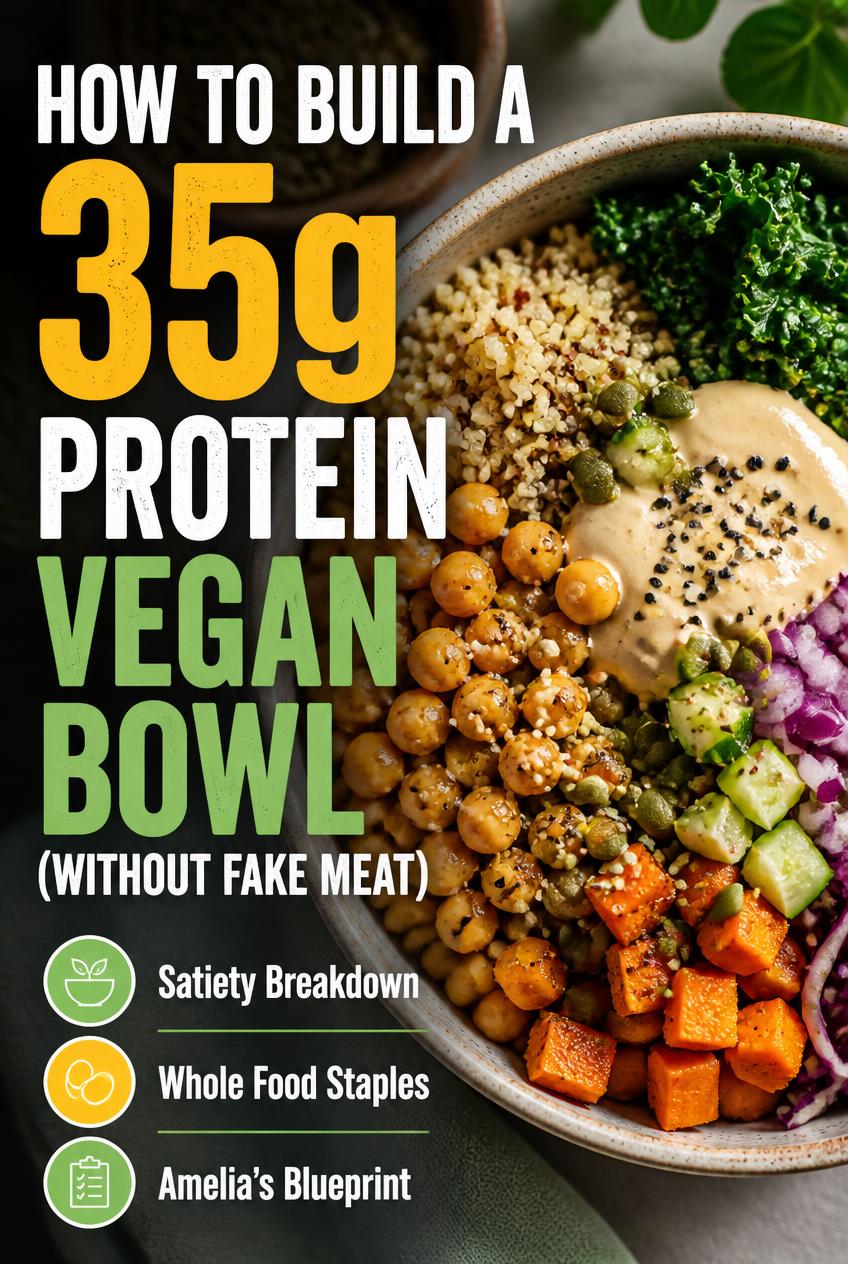
Amelia’s Final Word: Plants Can Fuel Serious Fat Loss
You do not have to sacrifice muscle tone or walk around in a constant state of hunger to thrive on a plant-based diet. When you build your daily meals around complete plant-based protein sources, fat loss becomes predictable, clean, and sustainable.
Pick two new protein sources from this list to try this week—marinate some tempeh or bake crispy tofu cubes—and watch how much easier it is to hit your goals without food guilt.
Frequently Asked Questions
Do I need to combine proteins at the exact same meal?
No. The old myth of “protein combining” at every sitting has been thoroughly debunked by nutritional science. Your liver maintains an amino acid pool throughout the day. Consuming varied plant foods across 24 hours provides your body with everything it needs.
Is soy safe to consume daily for women and men?
Yes. Whole soy foods (edamame, tempeh, and tofu) contain phytoestrogens (isoflavones), which bind weakly to estrogen receptors and exert protective antioxidant effects. Extensive clinical trials show moderate daily soy consumption does not disrupt thyroid function or hormone levels.
What is the highest-protein vegan food per calorie?
Seitan (vital wheat gluten) and isolated pea-rice protein powders have the highest protein-to-calorie ratios among plant foods, offering roughly 25 to 30 grams of protein per 130–160 calories with minimal fat or carbs.

Written by Amelia
Nutritionist & Gym EnthusiastAt 38, I balance gym training with developing practical nutrition breakdowns for everyday life. I focus on moderate energy deficits, wholesome supermarket ingredients, and sustainable habits that protect long-term metabolic health.
Get Your Free Vegan Protein Pocket Sheet
A printable cheat sheet to keep on your phone: 10 high-protein plant staples with exact grams, calories, and simple weekday dinner pairings.