
Stop Dieting to Get Smaller: How to Lose Fat and Build Muscle Simultaneously
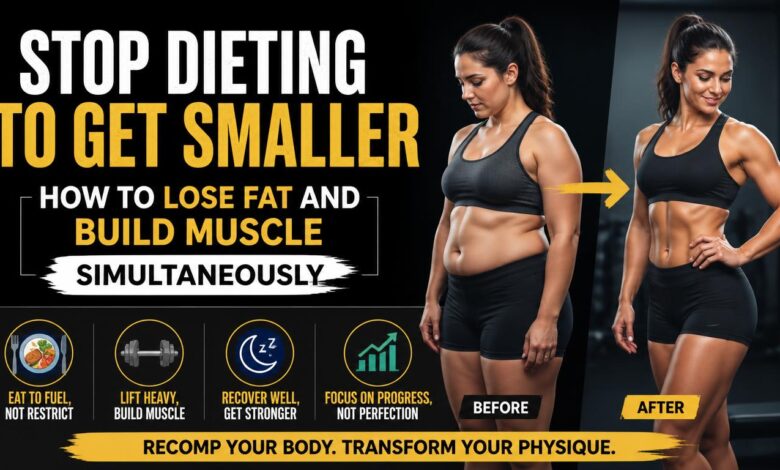
Learning how to body recomposition is the ultimate breakthrough if you are tired of crash diets that make you look “skinny fat” rather than toned and athletic. You cut your food, endure weeks of cardio, and watch the scale drop ten pounds—only to look in the mirror and discover that your waistline is softer, your arms lack definition, and your posture feels sluggish.
That happens because you lost precious skeletal muscle right alongside body fat.
The old bodybuilding dogma insisted that you could only build muscle during a massive caloric surplus (a “bulk”) and burn fat during severe restriction (a “cut”). Modern exercise science proves this is false. Your body is capable of utilizing stored adipose tissue to fuel muscle protein synthesis simultaneously, provided you supply the correct stimulus and amino acid building blocks. Below, I explain the biological mechanics of simultaneous fat loss and muscle gain, who can achieve it fastest, and the four rules to reshape your physique.
Get Amelia’s Body Recomposition Blueprint
Download our free printable macro ratio worksheet, 4-day progressive overload lifting template, and protein distribution tracker straight to your inbox.
How to Body Recomposition: The Underlying Energetics
To understand how to body recomposition effectively, you have to understand where energy actually comes from.
Building muscle tissue requires two distinct components:
- Raw Materials: Essential amino acids from dietary protein to construct new actin and myosin filaments.
- Chemical Energy: Thousands of calories required to synthesize peptide bonds and recover muscular fibers.
When you eat in a small, controlled caloric deficit, that chemical energy does not have to come from food on your plate. Your body can liberate thousands of calories stored inside your subcutaneous adipose tissue to fuel muscle construction.
As long as you provide a direct mechanical tension stimulus (resistance training) and supply high dietary protein, your body happily burns fat for fuel while adding new contractile muscle tissue.
→ Launch the Free Calorie Calculator
Build your nutritional foundation with our core high-protein resources:

Arena Strength Non-Slip Fabric Resistance Loop Bands
Rubber bands snap and roll. These heavy-duty woven fabric bands provide progressive mechanical tension for squats, glute bridges, and lunges right in your living room.
Who Can Achieve Body Recomposition Fastest?
While anyone can improve muscle-to-fat ratios, four demographic groups experience dramatic body recomposition in the shortest timeframe:
- Beginner Weight Lifters: People new to resistance training have hyper-responsive muscle fibers. Their “newbie gains” allow rapid muscle hypertrophy even inside a 300-calorie daily deficit.
- The “Skinny Fat” Individual: Those with average scale weight but low muscle density and high localized body fat. Shifting fuel from fat to muscle completely reshapes their silhouette.
- Detrained Athletes: If you lifted weights in the past and took several months off, muscle memory (myonuclear addition) allows you to rebuild lost muscle fibers three times faster than building them from scratch.
- Individuals with High Starting Body Fat: Carrying substantial excess body fat provides abundant internal energy stores, allowing muscle protein synthesis to operate without needing large food surpluses.
RENPHO Smart Scale for Body Weight, TFT Handle Display, Rechargeable
Train Smarter with Deeper Insights: 8-electrode dual-frequency segmental BIA on this body fat scale reveals muscle and fat changes across different body areas, helping guide workouts, nutrition, and long-term health management.
4 Evidence-Based Rules for Simultaneous Muscle & Fat Loss
1. Maintain a Conservative Calorie Deficit (10% to 15%)
An aggressive 700-calorie deficit starves your recovery systems, elevates cortisol, and forces your body to break down skeletal muscle tissue. For body recomposition, set a modest deficit of 250 to 400 calories below maintenance (or eat right at maintenance on lifting days). This preserves workout performance while signaling your body to burn fat for the deficit difference.
2. Hit 0.8 to 1.0 Grams of Protein per Pound of Goal Weight
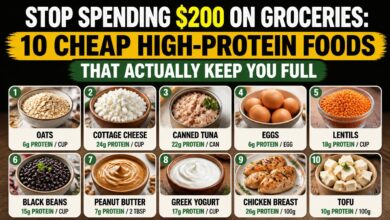
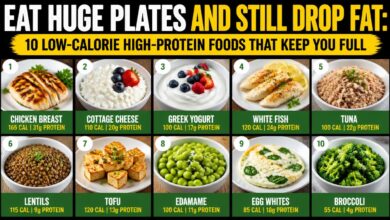
Protein is the single most critical macronutrient in a recomp. It acts as both the raw building material for new contractile muscle tissue and an anti-catabolic shield against muscle breakdown. Prioritize lean poultry, egg whites, Greek yogurt, white fish, and whey isolate across 3 to 4 distinct meals.
3. Train with Progressive Mechanical Overload
Lifting light weights for thirty reps while burning calories does not stimulate muscle growth. You must give your muscles a direct biological reason to adapt. Lift challenging weights in the 6 to 12 repetition range, taking sets within 1 to 2 reps of failure. Track your lifts weekly and aim to add one repetition or five pounds to the bar over time.
4. Stop Judging Success by Scale Weight Alone
This is where most people quit. During a successful recomp, you might lose 4 pounds of subcutaneous body fat while simultaneously building 4 pounds of lean skeletal muscle. The scale will display the exact same number.
Judge your progress by:
- Waist-to-hip tape measurements shrinking
- Strength numbers climbing on primary lifts
- Visible muscle definition around your shoulders, back, and thighs
- Progress photos taken under consistent lighting every four weeks
Body Recomposition vs. Traditional Bulking & Cutting
How the recomp approach compares to traditional bodybuilding cycles:
| Strategy | Caloric Target | Primary Outcome | Psychological Ease |
|---|---|---|---|
| Body Recomposition | Slight Deficit (10–15%) or Maintenance | Simultaneous fat drop & muscle tone | High (no extreme hunger or fat gain) |
| Aggressive Cut | Severe Deficit (25–35%) | Rapid scale loss (risk of muscle loss) | Low (fatigue, high cravings) |
| Traditional Bulk | Surplus (+300 to +500 kcal) | Muscle gain with unwanted fat gain | Moderate (fear of gaining too much fat) |
Get Amelia’s 8-Week Recomposition Blueprint
Complete 4-day resistance training schedules, calorie cycling formulas, and high-protein dinner plans designed to tone muscle and drop fat.

Amelia’s Final Word: Stop Aiming for Just “Less of You”
The goal of healthy nutrition should never be simply shrinking your body into a smaller, weaker version of itself. True metabolic freedom comes from building an athletic, capable, and toned physique that burns more fuel even while resting on the couch.
Knowing how to body recomposition shifts your focus from starvation to performance. Pick up the weights, fuel your body with 30 grams of clean protein per meal, put away the bathroom scale, and let real body composition take shape.
Frequently Asked Questions
How long does body recomposition take to show visible results?
Because you are building muscle and losing fat at the same time, changes appear in measurements and photos before the scale moves. Most people notice tighter-fitting clothing and firmer muscle tone within 6 to 8 weeks, with profound visual changes apparent at 12 to 16 weeks of consistent progressive overload.
Can you do body recomposition with home workouts and bands?
Yes. Your muscle fibers cannot tell whether tension comes from an expensive gym machine or heavy fabric resistance bands and bodyweight movements. As long as you take sets close to muscular fatigue and progressively challenge the muscles over time, hypertrophy will occur.
Should I do cardio during a body recomposition phase?
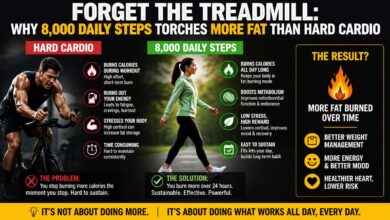
Keep high-intensity cardio moderate (1 to 2 sessions weekly) so it does not interfere with lifting recovery. Instead, prioritize a daily walking step floor of 8,000 to 10,000 steps. Walking burns fat without creating the severe fatigue or appetite spikes that derail a mild calorie deficit.

Written by Amelia
Nutritionist & Gym EnthusiastAt 38, I balance gym training with developing practical nutrition breakdowns for everyday life. I focus on moderate energy deficits, wholesome supermarket ingredients, and sustainable habits that protect long-term metabolic health.
Affiliate Disclosure: As an Amazon Associate, I earn from qualifying purchases. This means that if you click through and make a purchase, I may receive a small commission at no extra cost to you. I only recommend resistance gear, scales, and fitness equipment I personally test and trust.
Medical Disclaimer: The exercise and nutritional breakdowns provided on this website are for educational and informational purposes only. Always consult a physician or physical therapist before beginning any new resistance training program, especially if you have joint injuries, cardiovascular conditions, or chronic musculoskeletal pain.
Get Your Free Body Recomp Quick-Start Sheet
A printable pocket guide: calorie deficit formulas, progressive overload tracking cards, and 30g protein meal ideas to take to the gym.