11 Things You Can Do To Get Your Life Together

11 Strategies for Getting Your Life Together
“Get your life together.” This phrase often echoes in my mind whenever I feel overwhelmed by life’s relentless challenges. It serves as a gentle reminder that despite moments of hopelessness, the strength to make meaningful changes lies within me. However, gaining control of your life is easier said than done, especially during tough times when everything seems to be spiraling out of control.
Hitting rock bottom can be a daunting experience, marked by overwhelming debt, personal loss, and job uncertainties. During my lowest moments, it felt like I was trapped in an endless cycle of despair, believing that I would never be able to navigate my way back to a stable, fulfilling life. Yet, as I’ve journeyed through these challenges, I’ve discovered that getting your life together isn’t about achieving perfection; it’s about making progress, no matter how small.
Embracing the Journey
Getting your life together is not about an absence of challenges or pain. It’s about cultivating resilience to face adversities, healing from experiences, and learning valuable lessons along the way. Here are some steps that helped me transform my perspective and find hope in difficult times. I hope these can assist you in your journey as well.
This post contains affiliate links. If you make a purchase through my links, I may receive a small commission at no additional cost to you. I only recommend products I truly believe in.
1. Release What No Longer Serves You
Letting go of habits and relationships that hold you back is crucial for your growth. I often found myself clinging to unhealthy patterns because they felt comfortable and familiar. Accepting that these habits were sabotaging my well-being took time, but it was a necessary step toward reclaiming my life.
If you identify with this struggle, remember that the process of letting go might be challenging, but it can also be liberating. You don’t need to make drastic changes all at once. Be kind to yourself and allow for gradual progress. Each small step you take towards distancing yourself from negativity is a significant leap toward a healthier, brighter future.
2. Take Time to Reflect
In my quest to improve my life, I initially thought that constant action was the key to success. Surprisingly, I learned that taking time to pause and reflect is just as important. Acting without assessing whether your steps align with your values can lead you astray.

Reflection allows you to gain clarity, reassess your path, and make necessary adjustments. Spend moments engaging in self-reflection. Ask yourself questions like:
- What matters most to me in life?
- When do I feel most energized and engaged?
- What does a fulfilling life look like for me?
- What brings me genuine happiness?
- What limiting beliefs might be holding me back?
These reflections can serve as guiding lights on your journey to getting your life together.
3. Set Realistic Goals and Expectations
Setting achievable goals is vital when working to regain control of your life. Initially, I aimed for grand accomplishments, believing that they would drive me towards success. However, this approach often left me feeling overwhelmed and ultimately defeated when I couldn’t meet those high expectations.
Instead, I learned the importance of finding a balance between ambition and realism. Ensure your goals are attainable within your current circumstances; otherwise, you risk burnout and frustration. Celebrate small victories along the way to maintain motivation and momentum.
4. Establish a Routine
Creating a daily routine can provide stability during turbulent times. For me, a consistent routine became an anchor amid external chaos, offering predictability and structure. It gave me a sense of control over my life when everything else felt wildly out of balance.
When developing your routine, tailor it to fit your lifestyle rather than adopting generic templates. What works for one person may not suit another. Flexibility is essential; life can throw unexpected challenges your way, and being adaptable will help you navigate them more effectively.
5. Reach Out for Support
I used to believe that I should handle everything on my own. The thought of burdening others with my problems made reaching out for help feel impossible. Yet, I soon realized that isolation only added to my struggle.
Asking for help does not signify weakness; it showcases strength and self-awareness. Those who truly care about you will appreciate your trust and are often more than willing to lend a listening ear. Remember, we all face challenges, and leaning on each other can make navigating those tough times much more manageable.
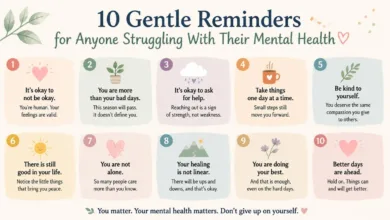
6. Be Kind to Yourself
I have often been my harshest critic, especially during trying times. I believed that self-criticism would motivate me, but it only deepened my feelings of inadequacy and self-doubt. Instead of pushing myself harder, I needed to practice self-compassion.
Treat yourself with the same kindness you would offer a close friend. Understand that making mistakes is part of the human experience. When working to get your life together, remember to celebrate your achievements—no matter how small—and show yourself grace in the face of setbacks.
7. Establish Healthy Boundaries
Part of regaining control is learning to protect your energy and prioritize your well-being. This can be challenging, especially if you have a history of saying “yes” when you genuinely want to say “no.” Failing to assert your needs can lead to burnout and resentment.
Setting boundaries is about respecting yourself and recognizing your needs. It doesn’t mean you care less about others; it simply emphasizes the importance of your well-being. Many people will respect your boundaries once they understand that you are prioritizing your health.
8. Release the Need for Control
A natural instinct is to want to control every aspect of life, especially during chaotic times. However, this desire can lead to greater anxiety and stress. It’s essential to recognize that certain things are beyond your control. Instead of focusing all your energy on micromanaging every detail, shift your focus to how you respond to situations.
Letting go of control is not about being passive; it’s about finding balance in planning while allowing life to unfold naturally. Accepting what you cannot change allows you to concentrate on the aspects you can influence, facilitating a more adaptable mindset.
9. Prioritize Your Mental Health
In the midst of striving for improvements, it’s easy to neglect mental health. However, taking care of your well-being is paramount in rebuilding your life. Ignoring your mental health can have counterproductive effects and hinder your ability to achieve your goals.
Remember, prioritizing your mental health isn’t a distraction from your objectives; it’s essential for sustaining the energy, clarity, and resilience necessary to pursue those goals. Allow yourself the time and space needed for self-care without feeling guilty.
10. Take It One Step at a Time
During my challenging moments, I often felt compelled to enact sweeping changes quickly. This pressure led to more stress and eventually paralysis. I realized that aiming for rapid improvement was counterproductive.
If you’re feeling overwhelmed, be reassured that taking small, manageable steps is perfectly acceptable. Incremental progress often leads to sustainable change and can make your journey less daunting.
11. Cultivate a Daily Gratitude Practice
Initially, I was skeptical about the benefits of maintaining a gratitude practice. However, I discovered that focusing on gratitude, even during difficult times, can provide perspective and uplift your spirit.
Acknowledging the positive aspects of your life, no matter how small, doesn’t diminish the challenges you face. Instead, it fosters hope and resilience, allowing you to see the bright side even amid difficulties. Practicing gratitude can help shift your mindset and provide strength for the journey ahead.
Final Thoughts
The journey of getting your life together is rarely a straight path. You will encounter detours, setbacks, and unexpected turns along the way. It’s essential to acknowledge that the process is not linear and can encompass both progress and regression.
Be gentle with yourself during the ups and downs. Stay focused on your goals and remember that every step counts, no matter how minor it may seem. Keep faith in yourself and your ability to navigate through challenges. You are capable of transforming your life for the better—I’m rooting for you!