
Drinking Protein Shakes for Weight Loss? 3 Mistakes That Make You Gain Fat Instead
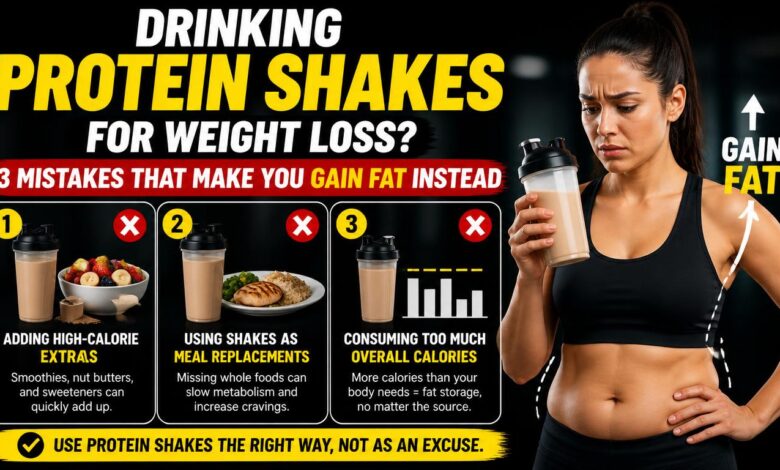
Using protein shakes for weight loss has become one of the most popular shortcuts in fitness, but many people end up frustrated when the scale refuses to move. You grab a shaker bottle, mix a scoop with peanut butter and oat milk, drink it down, and wonder why you feel ravenous two hours later while your daily calories quietly skyrocket.
Protein shakes are not magic fat-burning potions. Drinking a shake does not speed up your metabolism by hundreds of calories on its own.
However, when utilized strategically inside a moderate calorie deficit, high-quality protein powder is one of the most effective tools for preserving lean muscle mass, elevating the thermic effect of food, and blunting late-afternoon cravings. Below, I break down the physiological reality of liquid protein, when to drink your shake for maximum fat loss, and the three common mistakes that turn a healthy tool into accidental fat gain.
Get Amelia’s Protein Shake Blueprint
Download our free printable powder comparison chart, 5 low-calorie shake recipes under 180 kcal, and daily macro checklist straight to your inbox.
How Protein Shakes for Weight Loss Work Inside Your Body
The primary benefit of supplementing with whey, casein, or plant-based protein isolate comes down to the Protein-to-Energy (P:E) ratio.
A single standard scoop of pure whey isolate provides 25 grams of complete amino acids for approximately 110 to 120 calories, with virtually zero fat or sugar. To get that same 25 grams of protein from peanut butter, you would have to consume over 400 calories and 35 grams of fat.
When you integrate protein shakes for weight loss correctly, you achieve three biological advantages:
- Defending Lean Muscle Mass: In a calorie deficit, your body breaks down muscle tissue for energy unless sufficient dietary amino acids circulate in your bloodstream. Preserving muscle keeps your resting metabolic rate elevated.
- Elevating Thermic Burn: Protein requires up to 25% to 30% of its usable calories simply to digest, metabolize, and process through the liver.
- Stimulating Satiety Peptides: Complete proteins stimulate gut hormones like cholecystokinin (CCK) and GLP-1, signaling fullness to your brain.
→ How to Calculate Your Protein Needs for Weight Loss
Explore our related nutrition blueprints and recipes:
Visual Breakdown: Protein Shakes and Fat Loss
Scroll sideways to watch sports nutritionists break down powder types, timing, and shake mistakes:
BlenderBottle Classic V2 Shaker Bottle (28 oz)
The leak-proof staple I carry daily. Its surgical-grade stainless steel wire whisk eliminates chalky protein clumps in twenty seconds without an electric blender.
3 Mistakes That Turn Protein Shakes into Fat Gain
Mistake 1: Treating a Shake as a Free “Snack” on Top of Meals
A protein shake contains calories. If your daily maintenance burn is 1,800 calories and you consume 1,800 calories of food, adding a 250-calorie smoothie creates an energy surplus—regardless of how healthy the ingredients are. Shakes must replace something or fit neatly inside your calculated budget.
Mistake 2: Accidentally Blending a 600-Calorie Dessert
This is the most common pitfall I see in my nutrition practice. A client starts with 120 calories of whey powder, then tosses in:
- 2 tablespoons of peanut butter (+190 kcal)
- 1 large banana (+110 kcal)
- 1 cup of whole oat milk (+130 kcal)
- 1 tablespoon of chia seeds or honey (+65 kcal)
In ninety seconds, an intended 120-calorie lean protein boost transforms into a dense 615-calorie drink with 55 grams of carbohydrates. For fat loss, keep your base light: use cold water or unsweetened almond milk (30 kcal) and ice.
Mistake 3: Relying on Liquid Protein for Every Meal
Chewing solid food stimulates satiety mechanoreceptors in your stomach wall and releases more prolonged gastrointestinal hormones than drinking liquid. A 130-calorie portion of solid chicken breast or white cod keeps you full twice as long as a 130-calorie liquid shake. Use shakes as a convenient bridge, not your sole protein foundation.
Optimum Nutrition Gold Standard 100% Whey Isolate
Third-party tested for purity with 24g of complete protein, 5.5g BCAAs, and only 1g of sugar per scoop. Blends smoothly without bloat or chalky aftertaste.
Which Protein Powder Type Is Best for Fat Loss?
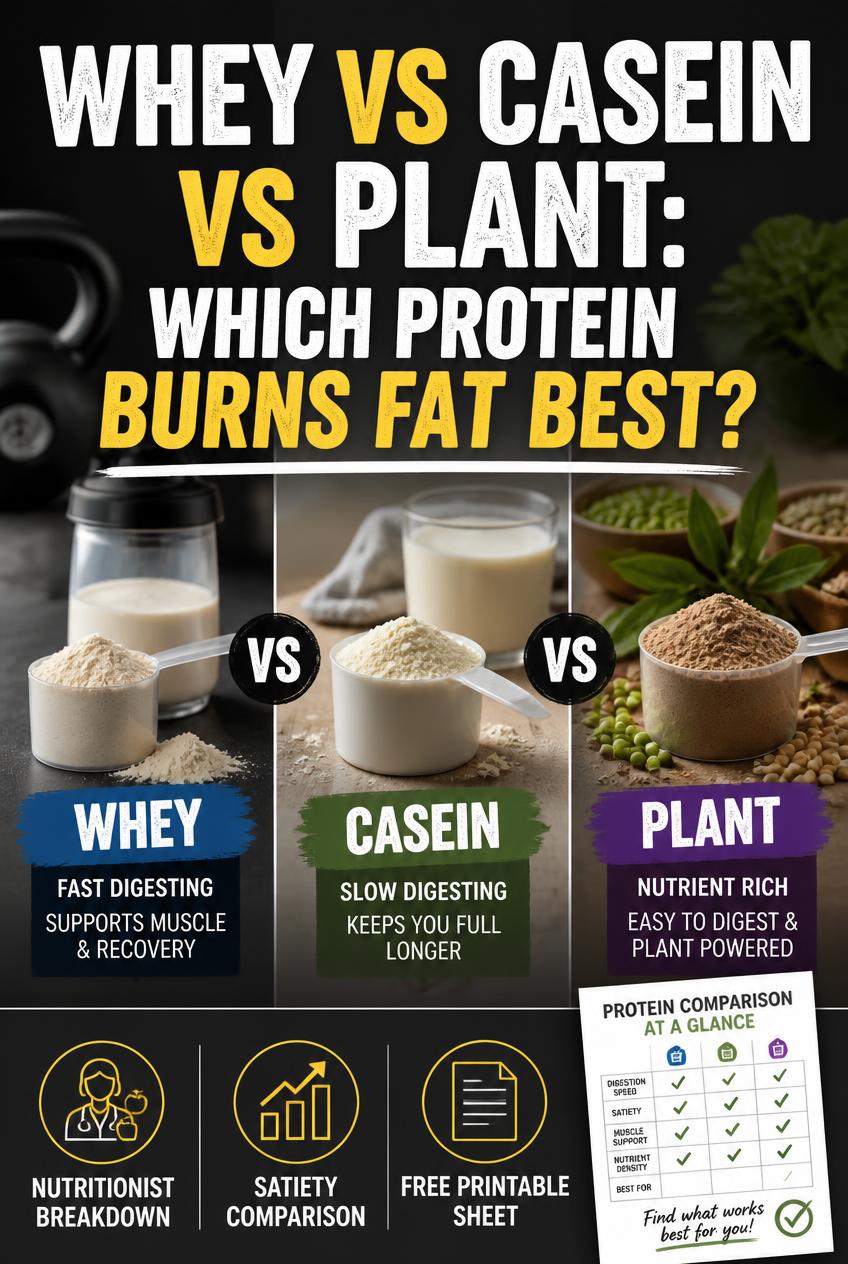
Not all powders digest at the same rate. Here is how the primary types compare:
| Powder Type | Digestion Rate | Best Use Case | Fullness Factor |
|---|---|---|---|
| Whey Isolate | Fast (30–60 mins) | Post-workout recovery; lean calorie budget | Moderate (1.5 to 2 hours) |
| Micellar Casein | Slow (5–7 hours) | Evening snack; pudding texture | Highest (3 to 4+ hours) |
| Pea & Brown Rice Blend | Moderate (2–3 hours) | Dairy-free / vegan diets; complete aminos | High (due to residual fiber) |
| Egg White Powder | Moderate (2 hours) | Lactose-free, baking, high volume | High |
When Should You Drink Your Shake for Best Results?
Forget the old gym myth of the strict “30-minute anabolic window.” Your total daily protein intake matters substantially more than the exact minute you swallow your drink.
However, for strategic appetite control, two timings produce the best real-world results:
- As a 3:30 PM Midday Bridge: An afternoon shake prevents the severe energy crash that drives people to grab chips, candy, or vending machine pastries on the way home from work.
- Blended into Morning Breakfast: Stirring a scoop of vanilla whey into hot oatmeal (“proats”) transforms an ordinary 150-calorie carb bowl into a powerful 35-gram protein breakfast that stops mid-morning hunger cold.
Get Amelia’s 5 Low-Calorie Shake Formulas
Five delicious recipes packing 25g+ protein under 180 kcal designed for fast, bloat-free weekday meal prep.
Amelia’s Final Word: Treat Protein as an Ally, Not a Miracle
Protein shakes for weight loss are a convenient, cost-effective tool—not an automated solution for a poor dietary foundation. When used to replace a chaotic fast-food breakfast or curb intense afternoon sugar cravings, they make staying in a calorie deficit feel effortless.
Keep your shake recipes simple, measure your liquids, source 75% of your daily protein from real whole foods, and let consistency do the heavy lifting.
Frequently Asked Questions
Can I replace two meals a day with protein shakes?
Replacing two meals daily with liquid shakes is rarely sustainable long-term. It drastically cuts dietary fiber, micronutrients, and the natural satiety of chewing whole foods, often triggering severe rebound binging by the weekend. Limiting shakes to one per day produces far better adherence.
Do protein shakes cause stomach bloating?
Standard whey protein concentrate contains residual lactose, which can trigger digestive discomfort in lactose-sensitive individuals. Switching to 100% whey isolate (which filters out 99% of lactose) or a hypoallergenic pea-and-rice blend eliminates bloat completely.
Should I mix protein powder with milk or water for fat loss?
For strict fat loss, mixing with cold water or unsweetened almond milk (30 calories per cup) is best. Cow’s milk or sweetened oat milk adds 100 to 150 calories and 12 grams of carbohydrates per serving, which must be accounted for in your daily deficit.

Written by Amelia
Nutritionist & Gym EnthusiastAt 38, I balance gym training with developing practical nutrition breakdowns for everyday life. I focus on moderate energy deficits, wholesome supermarket ingredients, and sustainable habits that protect long-term metabolic health.
Affiliate Disclosure: As an Amazon Associate, I earn from qualifying purchases. This means that if you click through and make a purchase, I may receive a small commission at no extra cost to you. I only recommend tools and powders I genuinely use and trust.
Medical Disclaimer: The nutritional breakdowns and dietary suggestions provided on this website are for educational and informational purposes only. They do not constitute personalized medical nutrition therapy. Always consult with a qualified physician or registered dietitian before introducing new dietary supplements, particularly if you have renal conditions or specific metabolic disorders.
Get Your Free Protein Shake Cheat Sheet
A printable guide to keep in your kitchen: powder comparisons, bloat-free mixing rules, and 5 rapid fat-loss shake recipes.