Collagen vs Gelatin Explained: Benefits, Uses and Key Differences
Have you ever found yourself in the health food section, holding a bag of gelatin in one hand and a tub of collagen powder in the other, puzzled about which one to pick? You’re not alone. These two products share similar sources and health claims, yet they have very different properties and functions in the kitchen and in our bodies. Choosing the wrong one can lead to frustrating mishaps in cooking or a lack of desired health benefits. In this guide, we will break down what collagen and gelatin are, their structural and functional differences, and how to effectively incorporate each into your diet. By the end, you’ll be well-equipped to make informed choices each time you find yourself at the store.
It’s important to clarify that the information here is for educational purposes only and shouldn’t be considered medical advice. Always consult with a healthcare professional before making substantial dietary changes, especially if you have existing health conditions.
Understanding the difference between collagen and gelatin is crucial because it can have practical implications. For instance, if you try to make gummy candies using collagen peptides instead of gelatin, you’ll end up with a mixture that simply won’t set, no matter how long you refrigerate it. Conversely, if you add beef gelatin directly to your coffee without proper preparation, you might get an unpleasant lump instead of a smooth protein addition. Knowing these distinctions can save time, ingredients, and a lot of frustration.
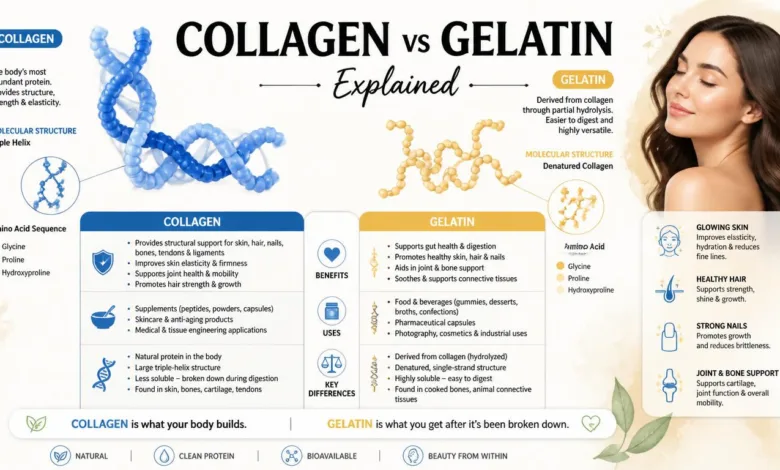
Both collagen and gelatin are derived from animal sources and provide similar amino acids, such as glycine, proline, and hydroxyproline. However, they have different absorption rates and biological effects. Understanding these differences allows you to utilize each product more effectively to reach your specific health goals.
Collagen is the most prevalent protein in the human body. It plays a vital role in the structure and function of our skin, bones, cartilage, tendons, ligaments, and blood vessels. In essence, collagen is like the scaffolding that keeps our tissues strong and resilient. Our bodies naturally produce collagen from amino acids obtained through dietary proteins, predominantly glycine and proline, along with essential cofactors such as vitamin C, zinc, and copper. It’s noteworthy that collagen production begins to decline slowly after the age of 25, making dietary sources increasingly important as we age.
Collagen is available in two primary forms. The first is hydrolyzed collagen, often referred to as collagen peptides. This has been processed with enzymes to break the protein into short, easily dissolvable fragments, allowing it to blend seamlessly into both hot and cold liquids without forming a gel. The second form is gelatin, which is collagen that has been partially broken down through heat. This method preserves its ability to gel when cooled, making it the go-to ingredient for gummy candies and desserts.
Gelatin is produced by simmering collagen-rich animal components, like bones and connective tissues, in water for an extended time. During this process, the collagen unravels and dissolves, creating a gelatinous liquid. When cooled, this liquid solidifies into a recognizable texture for dishes like jellies, gummies, panna cotta, or even bone broth that sets up in the refrigerator. Although the amino acid profile of gelatin closely resembles that of collagen peptides, the primary distinction lies in molecular size. Gelatin molecules are larger and capable of gelling, while collagen peptides cannot.
Understanding how to use these ingredients is essential for successful cooking. When working with gelatin, blooming is a crucial step. This involves sprinkling gelatin powder over cold liquid and letting it sit for a few minutes to hydrate. After blooming, the gelatin can then be dissolved in warm liquid without risking a grainy texture. On the other hand, collagen peptides dissolve easily in both warm and cold liquids and do not require this blooming step.
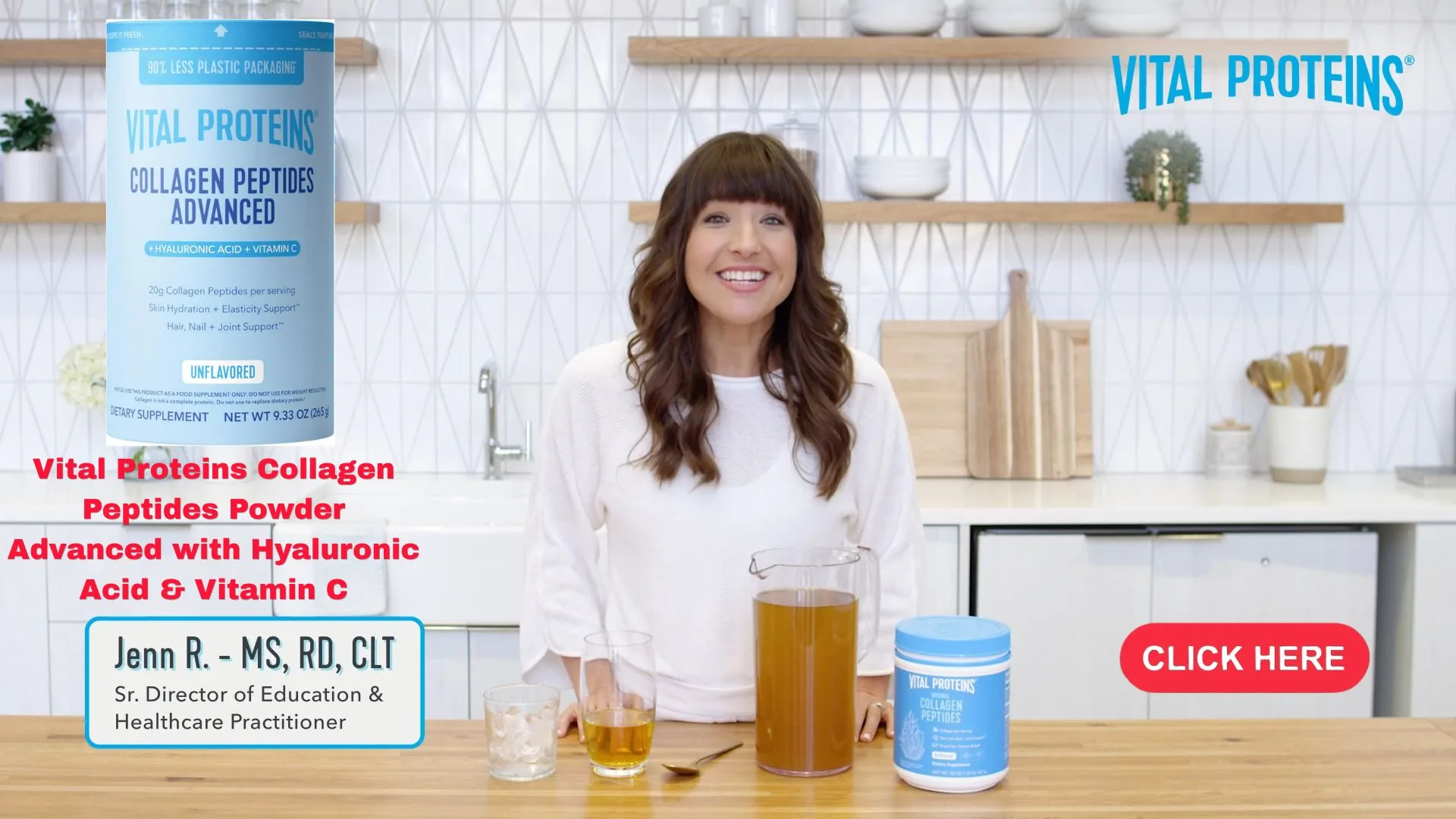
To summarize, the essential difference between the two is straightforward: gelatin gels when cooled, while collagen peptides remain liquid regardless of temperature. This means that if your goal is to enhance texture or achieve a firm consistency in recipes, you should opt for gelatin. Conversely, when you want to enrich beverages or foods with protein without altering the texture, collagen peptides are the way to go.
For effective use of each ingredient, consider these recommendations. When adding collagen peptides, aim for about 1 to 2 tablespoons per serving. Select a high-quality, unflavored collagen powder sourced from grass-fed cattle or wild-caught marine sources. Typically, one tablespoon delivers approximately 8 to 10 grams of protein and dissolves quickly in any liquid. If you face clumping issues in cold liquids, a handheld frother can come to the rescue.
Regarding gelatin, a general guideline is to use 1 tablespoon per cup of liquid for a firmer set. Always stick to unflavored gelatin for the best versatility. The amount of gelatin used affects the texture: one tablespoon per two cups of liquid creates a softer consistency, while one tablespoon per cup results in a firmer, sliceable product. If you’re aiming for gummies that can hold their shape at room temperature, use the higher ratio.
When it comes to choosing your liquid base, you have plenty of options. Water is the simplest choice, but bone broth can enhance the nutritional content while providing a savory flavor. Coconut milk creates a creamy, rich dessert base, while fruit juice contributes natural flavors and vitamin C, which is essential for collagen synthesis. You may also want to include sweeteners like raw honey, maple syrup, or liquid stevia, along with a touch of lemon juice to brighten fruit flavors.
Here’s a step-by-step method you can use as a reference for recipes involving both ingredients.
Begin with gelatin if you’re using it. Pour 2 to 3 tablespoons of cold liquid into a bowl and sprinkle the gelatin over the surface. Let it sit undisturbed for about 2 to 3 minutes until it absorbs the liquid and becomes spongy.
Next, take your main liquid base and heat it gently in a small saucepan until it is warm but not boiling. Maintaining low heat is important, as high temperatures can reduce the gelling power of gelatin and alter the structure of collagen.
If you’re adding sweeteners or flavorings, incorporate them into the warm liquid at this stage and stir until fully dissolved. Taste and adjust the flavor to your liking, as modifying it after setting will be challenging.
For collagen peptides, remove the saucepan from heat and whisk in the collagen powder until completely dissolved. The mixture should remain liquid and clear.
For recipes using gelatin, add the bloomed gelatin mass to the warm liquid while still on low heat. Whisk constantly for 2 to 3 minutes until the gelatin is entirely dissolved, and the mixture achieves a smooth, glossy texture without any granules.
After this, allow the mixture to rest for a few minutes to settle before pouring it into molds or a dish. For collagen peptide preparations, consume immediately or store in the refrigerator for up to 24 hours. In contrast, gelatin-based recipes need to be refrigerated for a minimum of 4 hours (overnight is ideal) before removing them from their molds.
One crucial takeaway is always to bloom gelatin before adding it to warm liquid. Neglecting this step often leads to gummy and gelatin recipe failures, resulting in clumps that are difficult to dissolve. The time spent blooming ensures smoothness and consistency in the final product.
Keep in mind that as both collagen and gelatin proteins are sensitive to high heat, it is best to use low heat settings. This will help you achieve more controlled and successful outcomes than if you rush the process at high temperatures.
Consider pairing both ingredients with vitamin C, as it’s essential for collagen synthesis in the body. This means including fruits like berries or citrus juice in your recipes will not only enhance flavors but can also improve the effectiveness of collagen and gelatin.
Always taste and adjust flavors for gelatin-based recipes before you pour them into molds. Once set, it’s nearly impossible to change the flavor profile, which could lead to disappointment. Store both collagen peptides and gelatin in airtight containers away from moisture and heat, as high humidity can lead to clumping and reduce gelatin’s effectiveness over time.
For ideas on how to use these ingredients, mixed berry collagen gummies make a delightful snack. They use fruit juice and a combination of gelatin and collagen peptides for added protein and flavor. Alternatively, bone broth collagen gel can be created by simmering gelatin in bone broth for a nutrient-dense option that can be added to various dishes.
If you’re looking for a comforting drink, try dissolving collagen peptides in warm coconut milk with spices like turmeric and cinnamon. It can be a soothing addition to your evening routine. For a refreshing dessert, a gelatin-based recipe using freshly squeezed citrus juices can provide a naturally sweet and vitamin-rich treat.
Finally, while gelatin-based dishes can be stored in the refrigerator for up to two weeks, collagen peptide mixtures are best consumed fresh to enjoy their full benefits. Freezing gelatin recipes isn’t ideal, as ice crystals can damage the gelling structure.
Ultimately, both collagen peptides and gelatin are valuable ingredients that offer unique health benefits. They contain glycine, proline, and hydroxyproline, which are essential amino acids primarily found in collagen. Glycine not only aids in collagen synthesis but also supports antioxidant production, muscle recovery, and digestive health.
Studies have highlighted the positive impact of glycine on sleep quality and overall well-being. Regular consumption of collagen and gelatin can contribute to improved skin health, joint integrity, and tissue maintenance.
Understanding the differences between these two products simplifies your decision-making process when cooking and preparing meals. Use collagen peptides for protein enrichment without altering textures, and choose gelatin for recipes that require a firm consistency. Combining both ingredients can also offer benefits, providing optimal structural support and enhanced nutritional availability in your dishes.
Start incorporating these functional ingredients into your daily routine. A scoop of collagen in your morning coffee is a quick and effective way to ensure you’re getting the amino acids you need, while preparing a batch of gummies can give you nutritious snacks for the week ahead. Understanding how to utilize collagen and gelatin effectively can truly elevate your culinary and health journey.