Collagen vs Collagen Peptides: Which One Should You Use?
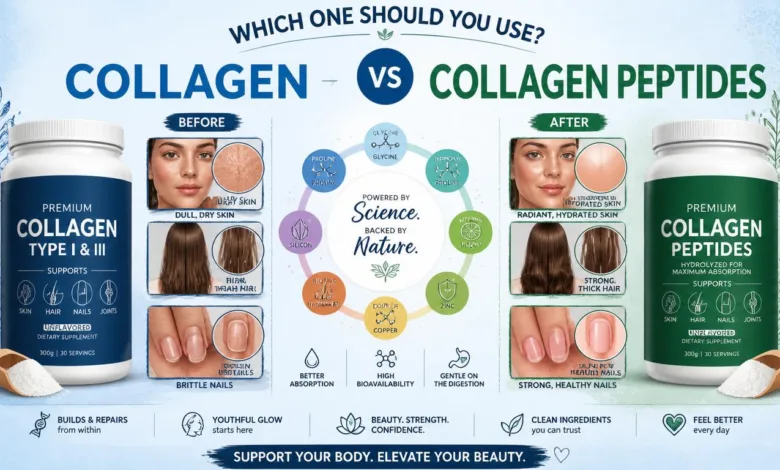
If you’ve ventured into the health and wellness arena lately, you’ve likely encountered the terms “collagen” and “collagen peptides.” These phrases are often used interchangeably, but they actually refer to distinct forms of collagen with different properties and benefits. Knowing the differences can enhance your wellness journey and help you choose the right product for your specific health goals. In this guide, we will dive into what each form is, how they function both in your body and kitchen, and how to use them effectively and enjoyably in your daily routine.
Understanding Collagen and Collagen Peptides
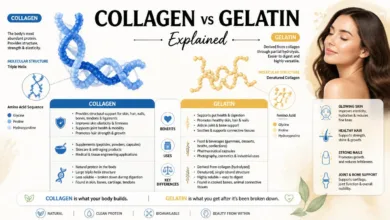
Collagen is a vital protein that plays a significant role in maintaining the structure of various body parts. It contributes to the elasticity and durability of the skin, the cushioning of joints, and the integrity of tendons and ligaments. The body produces collagen by combining specific amino acids obtained from dietary protein sources. Critical nutrients such as vitamin C, zinc, and copper are necessary for this production process.
On the other hand, collagen peptides—often referred to as hydrolyzed collagen—are created through a process known as hydrolysis. This involves breaking down collagen into shorter chains of amino acids (peptides). These peptides are more easily absorbed by the body due to their smaller size, making them a more efficient option for nutritional supplementation.
The Practical Differences
The distinction between collagen and collagen peptides carries practical implications. Regular collagen has gelling properties, which make it ideal for thickening or setting recipes like gummies and jellies. When dissolved in a warm liquid and allowed to cool, it transforms into a gel-like substance. In contrast, collagen peptides do not gel; they dissolve completely in both hot and cold liquids, making them a perfect choice for adding protein and nutrients to shakes, coffee, and other beverages without affecting texture.
Using the wrong type in your recipes can lead to frustrating outcomes. For example, if you attempt to use collagen peptides for a dessert that requires gelling, you will end up with a runny mixture. Conversely, adding regular collagen to a cold smoothie can create an unpleasant gritty texture. Knowing when to use each form saves time, resources, and disappointment in the kitchen.
Why Collagen Matters
Collagen is the most abundant protein in our bodies, providing critical structural support. As we age, our natural collagen production decreases, leading to visible signs of aging such as wrinkles, joint pain, and decreased hair and nail strength. This decline typically begins around the age of 25, making collagen supplementation a relevant consideration for maintaining skin elasticity and overall joint health.
The natural sources of collagen in our diets have shifted with modern eating habits, often favoring muscle meat over the collagen-rich parts of animals such as skin, bones, and connective tissues. This change can contribute to a deficiency in key amino acids necessary for collagen synthesis, such as glycine and proline.
How Collagen Peptides Work
When consumed, collagen peptides undergo digestion and are absorbed into the bloodstream, where they serve as signals to fibroblasts—cells responsible for producing collagen in our bodies—to enhance their activity. This mechanism is the foundation for the research-backed benefits of collagen peptides in skin and joint health.
Choosing the Right Type
Knowing when to use collagen versus collagen peptides will help you get the most out of these ingredients. Collagen is your go-to when you need to create texture in a recipe—think desserts and savory dishes that require a firm, gelled consistency. When looking to enhance your daily nutrition without altering the flavor or texture of your meal, collagen peptides are the way to go.
Ideal Uses for Collagen and Collagen Peptides
Incorporating Collagen Peptides
Collagen peptides can easily blend into beverages or foods. Here are a few simple and delicious ways to add them to your diet:
-
Morning Coffee: Stir one scoop of unflavored collagen peptides into your coffee for a creamy drink that maintains its usual taste while adding protein.
-
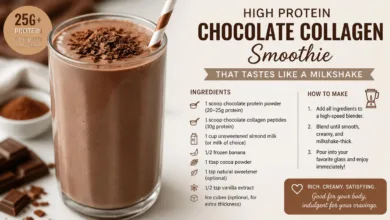
Smoothies: Blend a scoop of collagen peptides into your favorite smoothie. The peptides dissolve seamlessly, offering a nutritional boost without changing the texture.
-
Oatmeal: Mix collagen peptides into your overnight oats or warm oatmeal. They dissolve quickly and increase the protein content of your breakfast.
-
Bone Broth: Add a scoop of collagen peptides to your bone broth for an extra dose of nutrients. This is an excellent option for post-workout recovery, as the amino acids in collagen support muscle recovery and connective tissue health.
-
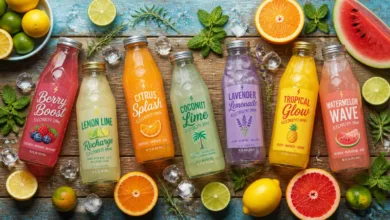
Juices or Water: Mix collagen peptides into your water or a glass of juice—especially citrus juices—because vitamin C enhances collagen synthesis, maximizing the effectiveness of the peptides.
Using Collagen for Gelling
When you’re ready to prepare a recipe that requires a gel-like consistency, follow these steps to incorporate regular collagen:
-
Blooming Gelatin: Sprinkle gelatin over cold water and let it sit for a few minutes to hydrate before using it in your recipe. This is a crucial step to achieve that smooth texture.
-
Creating Desserts: Use bloomed gelatin to create delightful desserts like panna cotta or gummies. Once dissolved in a warm liquid, allow the mixture to cool in molds to set into a firm gel.
Step-by-Step Guide for Using Each Form
Utilizing Collagen Peptides
- Choose Your Liquid: Decide on a warm beverage like tea or coffee, or a cold smoothie to mix your collagen peptides into.
- Dose: Measure out one scoop (approx. 10 grams) of unflavored collagen peptides.
- Mix: Stir or blend them into your chosen liquid until fully dissolved.
Using Gelatin
- Blooming Step: Sprinkle the desired amount of gelatin over a small bowl of cold water and allow it to sit for 2-3 minutes.
- Heat Your Liquid: Warm the base of your recipe (like juice or broth) but avoid boiling it.
- Combine: Whisk the bloomed gelatin into the warm liquid until fully dissolved.
- Set: Pour the mixture into molds and refrigerate for at least four hours to set.
Important Tips for Optimal Results
- Storage: Store both collagen peptide powder and gelatin in airtight containers to keep them dry. Avoid moisture to prevent clumping and loss of effectiveness.
- Consistency Is Key: For the best results, use collagen regularly over an extended period. This aligns with findings from numerous studies that establish noticeable benefits within 8-12 weeks of consistent use.
- Pair with Vitamin C: Always combine collagen or collagen peptides with a source of vitamin C for improved results. This could be as simple as mixing into a citrus-flavored smoothie or adding some berries to your oatmeal.
Nutritional Benefits of Collagen and Collagen Peptides
Both forms of collagen provide critical amino acids like glycine, proline, and hydroxyproline:
- Glycine: This amino acid supports gut health, aiding in the maintenance of the gut lining, and has been linked to better sleep quality.
- Proline: A key building block for keratin, proline helps in strengthening hair and nails, promoting their growth and resilience.
Frequently Asked Questions
- How much should I take? Start with about 10 grams of collagen per day, adjusting as needed.
- What are the best sources? Look for high-quality collagen peptides sourced from grass-fed bovine or wild-caught marine sources.
- Can I take collagen peptides with other supplements? Yes, they can be easily combined with your regular vitamins and nutrients.
Delicious Recipes to Try
If you’re ready to incorporate both forms of collagen into your meals, consider trying these recipes:
- Mixed Berry Collagen Gummies: These gummies utilize gelatin as a base and are a fun way to enjoy collagen.
- Chocolate Gummies with Marine Collagen: Combine your favorite superfood hot chocolate blend with marine collagen for a cozy treat.
- Gelatin Fruit Salad: A refreshing way to experience gelatin in a simple and tasty salad.
By understanding the differences between collagen and collagen peptides and how to utilize them effectively, you can make informed choices that support your health and wellness goals. Whether you blend collagen peptides into your morning routine or create delicious gelatin desserts, incorporating these ingredients into your lifestyle can lead to noticeable improvements in skin, joint, and overall health. Embrace these small yet impactful dietary changes and enjoy the journey toward better wellness.