Healthy High Protein Chocolate Lava Cake That’s Extra Fudgy
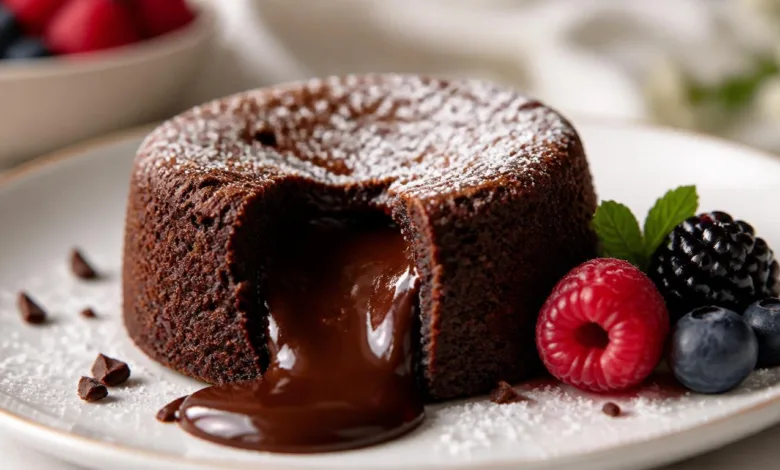
Are you ever hit with a craving for a warm chocolate dessert, but the thought of tackling a long list of ingredients and a mountain of dirty dishes makes you hesitate? I can relate. It was this very dilemma that inspired me to create a High-Protein Cottage Cheese Lava Cake. This indulgent yet simple recipe captures that delightful molten-center experience of a lavish restaurant dessert, all while using pantry staples and providing real nutritional value.
Whether you’re a novice in the kitchen looking for an easy win or a busy home cook searching for a quick and satisfying dessert on a weeknight, this recipe is for you. It’s particularly useful if you’ve been staring at a tub of cottage cheese in your fridge, waiting for the perfect opportunity to use it. Trust me—this cake is one of the most enjoyable and satisfying ways to incorporate cottage cheese into your meals.
What Makes This Cake Unique
What sets this dessert apart is its innovative texture approach. By blending cottage cheese with eggs and cocoa powder, you create a rich, silky batter that transforms into a cake with a soft, lava-like center. In this article, you will learn the best techniques for blending the ingredients, baking to achieve that charming molten center, and steering clear of common mistakes.
The magic of this cake lies in how cottage cheese and eggs behave as a custard-like base when baked. After numerous trials, I discovered that the key is to blend the mixture until it becomes glossy and thick rather than grainy. This distinctive texture results in a fudgy center that feels indulgent without being overly heavy.
The Science Behind the Ingredients
Cottage Cheese as Your Protein Base
Cottage cheese is the hero of this dish, serving both as your protein source and as a creamy element. When blended until smooth, it transforms into a thick dairy puree that bakes into a custard-like confection. If you skip this crucial blending step, you risk encountering curds in your cake, resulting in an uneven texture.
Cocoa Powder’s Role
Cocoa powder contributes not just a rich chocolate flavor, but it also plays a crucial role in moisture absorption. This property helps create a crispy outer layer while allowing the center to remain delightfully gooey. If you find that your cocoa powder has a bitter taste, consider opting for Dutch-processed cocoa next time to achieve a smoother, richer chocolate flavor. However, natural cocoa powder works well too.
Baking Powder for Lift
You’ll want to add baking powder to this recipe to give your cake an airy lift. Be cautious not to exceed the recommended amount, or you’ll end up with a cake that puffs up and then collapses into a gummy center. The right balance is essential.
The Role of Salt

Though it may seem insignificant, salt enhances the overall chocolate flavor, preventing the dessert from tasting overly sweet. If you’re not using granulated sweetener, substituting regular sugar in equal amounts will do. If you prefer a different type of sweetener, make sure it’s labeled as “granulated,” because liquid sweeteners can disrupt the balance of moisture in your cake.
Customizing the Recipe
This High-Protein Cottage Cheese Lava Cake is quite forgiving when it comes to modifications, as long as you maintain the right moisture levels. If gluten-free options are a necessity, you’re in luck—this recipe uses no flour. However, always check labels for cross-contact if that’s a concern for you.
Serving Suggestions
To truly appreciate this cake, serve it warm, allowing the molten center to shine. If you’re indulging on a cozy evening, pair it with a steaming cup of coffee or a robust black tea like Earl Grey to complement the rich cocoa.
For a delightful weekend brunch treat, serve it topped with Greek yogurt and fresh berries. A drizzle of warmed peanut butter adds a lovely touch if you can include nuts. For a more traditional approach, try a quick sauce made by microwaving frozen raspberries for 30 to 45 seconds.
During festive occasions, why not add a peppermint twist? A small drop of peppermint extract in the batter or a sprinkle of crushed peppermint candy on top can add just the right amount of holiday spirit without overpowering the chocolate flavor.
If you’re planning a potluck or gathering, bake the batter in two ramekins—this allows you to serve one fresh and keep the other warm for a later treat.
Storing and Meal Prepping
Any leftovers can be stored covered in the refrigerator for up to three days. As the cake chills, the center will firm up—that’s typical for a custard-based dessert. To reheat, do so gently to avoid overcooking the eggs. The microwave works well at 50 percent power for about 20 to 40 seconds, allowing it to rest for a brief 30 seconds before enjoying. Alternatively, you can use the oven, reheating at 300°F (150°C) for six to eight minutes.
For meal prepping, feel free to blend the batter up to 24 hours in advance. Just store it in the fridge covered, and give it a good stir before baking, as cocoa tends to settle.
Do’s and Don’ts for Optimal Results
DO store your eggs and cottage cheese at cool room temperature for about 10 to 15 minutes before beginning. Cold ingredients can interfere with even baking.
DO blend until the batter is smooth—a silken texture is essential. If you notice grains of cottage cheese, blend for an additional 15 seconds and scrape down the sides.
DO start checking for doneness at the 12-minute mark; the difference between molten and fully set can be a mere two minutes.
DON’T mix your batter in a dish that’s too wide. A shallow dish allows the batter to cook too quickly, making it difficult to achieve that soft middle.
DON’T forget that cutting into it too soon makes the center spill out like a sauce. Allow the cake to rest for three to five minutes before serving.
Variations and Alternatives
In terms of variations, if you want a stronger chocolate flavor, consider adding a tablespoon more of dark chocolate chips. They will melt into a thin shell that creates a delightful contrast during consumption.
For a mocha version, mix in a teaspoon of instant espresso powder into the batter. This addition deepens the chocolate flavor without making your cake taste like coffee.
If you need a nut-free topping, consider replacing any nut ingredients with sliced strawberries or raspberries. The acidity from the berries cuts through the richness of the cake, making for a refreshing finish.
If you’re looking for dairy-free or vegan alternatives, keep in mind that you cannot precisely replicate the lava texture afforded by cottage cheese and eggs with direct substitutions. For a different base altogether, you might enjoy experimenting with a plant-based chocolate pudding cake recipe, though results will vary.
Summary of Ingredients
- 1 cup low-fat cottage cheese (240g)
- 2 large eggs
- 1/4 cup unsweetened cocoa powder (30g)
- 1/4 cup granulated sweetener (50g, or substitute with sugar)
- 1/2 teaspoon vanilla extract
- 1/4 teaspoon baking powder
- A pinch of salt
- 1 tablespoon dark chocolate chips (optional)
Step-by-Step Instructions
-
Begin by preheating your oven to 350°F (175°C). A preheated oven ensures that the outer edge of the cake sets quickly, leading to a gooey center.
-
Grease a single ramekin (or two small ones) with a light layer of oil or nonstick spray. If you lack ramekins, ensure you use an oven-safe ceramic dish instead of a regular coffee mug.
-
In a blender or food processor, combine cottage cheese, eggs, cocoa powder, granulated sweetener, vanilla extract, baking powder, and a pinch of salt. If using an immersion blender, opt for a tall container to minimize mess.
-
Blend for 30 to 60 seconds until the mixture is smooth and glossy. It should resemble a thick pudding consistency; this thickness is important for maintaining that volcano-like center.
-
If you choose to include dark chocolate chips, gently stir them into the batter after blending. This method preserves their integrity so they remain delightful pockets of melted chocolate.
-
Pour your batter into the prepared ramekin(s), tapping the dish on the counter to release any large air bubbles.
-
Bake for 12 to 16 minutes for a lava-like center, or 16 to 18 minutes for a firmer, brownie-like texture. The goal is to have firmly set edges with a center that wobbles when shaken gently.
-
Once baked, allow the dessert to cool for three to five minutes on a cooling rack. This brief resting period finishes off the cooking process without overcooking.
-
Serve warm straight from the ramekin, or flip it onto a plate for a more polished presentation. If it sticks, just spoon it out and embrace the title “lava bowl”—it will still taste divine.
-
Top as desired; a sprinkle of chocolate chips, a pinch of salt, or a dollop of yogurt can enhance the experience.
Conclusion
This High-Protein Cottage Cheese Lava Cake offers you a delightful balance of indulgence and healthiness, all in a simple dish. It satisfies those chocolate cravings without guilt and boasts a short ingredient list. So go ahead, bake until the edges are perfectly set, trust that little wobble in the center, and savor each heavenly spoonful while it’s still warm. If you make this recipe, I would love to see how gooey your center turned out—don’t forget to share it on Pinterest!