Beef Gelatin vs Collagen Protein: Which Is Better for Recipes?
If you’ve ever found yourself in the health section of a store, holding a package of beef gelatin in one hand and a tub of collagen protein in the other, you’re not alone. Both products are gaining popularity in the wellness community, often touted for their benefits for skin, joints, and overall health. However, they have distinctly different properties and uses, which can lead to confusion when making a choice. Selecting the wrong one for your goals can result in disappointing outcomes. This comprehensive guide will clarify the differences between beef gelatin and collagen protein, exploring their unique applications, benefits, and how to effectively incorporate them into your diet. By the end, you’ll have a clear understanding of which product to stock in your kitchen and how best to use it in your daily routine.
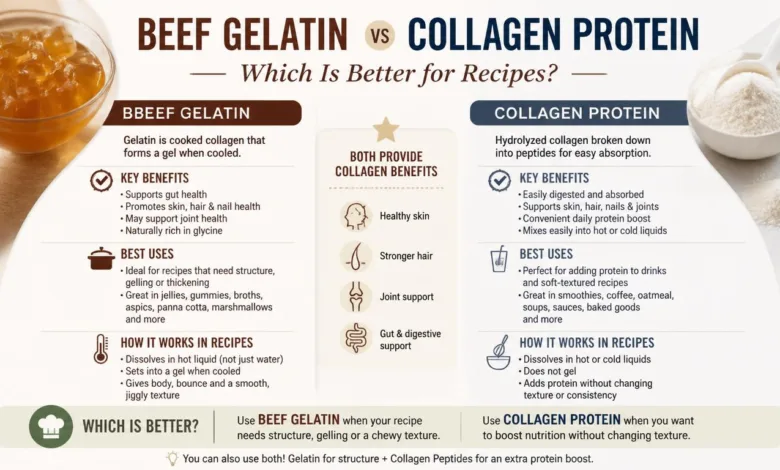
It’s common for people to encounter gelatin and collagen around the same time, often leading to the assumption that they are interchangeable. However, they serve different purposes. Beef gelatin forms a gel when mixed with liquid and allowed to cool, while collagen protein powder seamlessly dissolves in any temperature liquid without gelling. This fundamental distinction influences their applications in cooking and their effects on the body.
Understanding these differences will empower you to make informed purchasing decisions. Collagen protein tends to be significantly more expensive than beef gelatin. If your main goal is to create gummy snacks, gelatin desserts, or panna cotta, splurging on collagen peptides may be unnecessary. On the other hand, if you’re seeking a way to add protein to your coffee or smoothie without altering its texture, beef gelatin would create an undesirable gelatinous mass.
Both beef gelatin and collagen protein are derived from the same source: the collagen-rich connective tissues, bones, skin, and hides of cattle. The primary difference lies in their processing methods. Beef gelatin is created by simmering collagen-rich animal parts in water at high temperatures. This process partially breaks down the long chains of collagen into shorter fragments. When the liquid is dried and ground into a powder, it transforms into gelatin. When dissolved in hot water and cooled, these protein fragments can form a loose gel network, which is why gelatin is essential for making jellies, panna cotta, and gummies.
Collagen protein, also known as hydrolyzed collagen or collagen peptides, undergoes an extra processing step. Following the initial extraction, the collagen molecules are further broken down using enzymes in a process known as hydrolysis. This creates small protein fragments called peptides that dissolve completely in any liquid, regardless of temperature. The resulting powder is usually colorless and tasteless, making it easy to incorporate into a range of recipes without affecting flavor or texture.
From a nutritional standpoint, both products share an essentially identical amino acid profile due to their common source material. They are both particularly rich in glycine, proline, and hydroxyproline, which are vital for collagen formation in the body. However, their behavior in recipes and their impacts on health arise from their molecular size, not from any substantial differences in their nutritional composition.
You can think of beef gelatin and collagen protein as complementary tools with distinct roles. Beef gelatin is primarily a structural ingredient that enhances texture in cooking. It is indispensable when you want to transform a liquid into a firm or semi-firm state, make a sauce into a glaze, or stabilize a dessert without baking. In contrast, collagen protein serves as a nutritional ingredient, providing protein and amino acids without altering the flavor or texture of the food. It’s the ideal choice for boosting the nutritional content of your meals and drinks without anyone even realizing it’s there.
Both beef gelatin and collagen protein support collagen synthesis in the body, making them suitable for various dietary approaches, including keto, low-carb, gluten-free, and high-protein diets. The critical consideration is not which one packs more nutritional value; rather, it’s which one aligns with your specific goals.

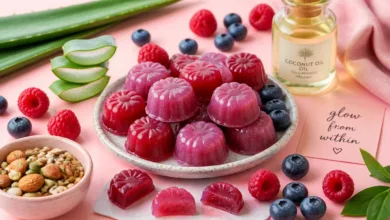
Beef gelatin shines in recipes where you need a liquid to solidify or thicken as it cools. This includes numerous functional wellness recipes that align with many health-focused lifestyles. The most popular use is undoubtedly homemade gummies. Whether they are Mixed Berry Collagen Gummies or fruit juice gummies crafted for children, beef gelatin provides the chewy texture and structural integrity necessary for these treats to hold their shape at room temperature. Other recipes that rely on beef gelatin include panna cotta, gelatin fruit salads, jellies, and no-bake cheesecakes.
Bone broth naturally contains gelatin from the collagen in the bones used in its preparation. High-quality bone broth gels when refrigerated, serving as an indicator of its nutrient richness and collagen content. Additionally, beef gelatin can act as a thickener for soups, stews, and gravies, adding both texture and protein without the need for flour or cornstarch.
From a health perspective, beef gelatin has the added benefit of forming a gel in the stomach, which may facilitate appetite control. When consumed as food rather than a mere additive, the gel created by beef gelatin can slow digestion and promote satiety—a mechanism that has been popularized in various wellness circles.
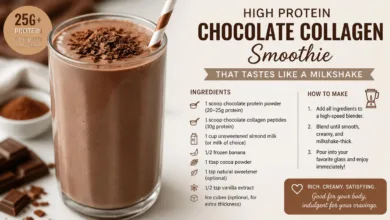
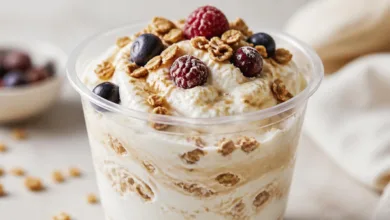
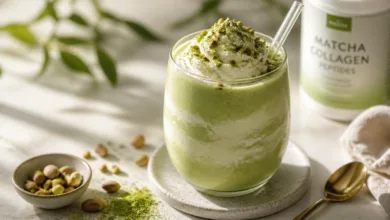
On the other hand, collagen protein peptides are advantageous for those who want the benefits of collagen without altering the appearance or texture of their food. For instance, mixing a scoop of collagen peptides into your morning coffee leaves the beverage unchanged in flavor and looks while adding a significant amount of protein and essential amino acids. This ease of integration extends to smoothies, soups, sauces, pancake mixes, and baked goods. Collagen peptides dissolve easily in both hot and cold liquids, making them a versatile option for adding daily collagen intake.
Collagen peptides are particularly beneficial for individuals looking to enhance skin health and beauty. The smaller peptide molecules are absorbed more efficiently through the gut, allowing them to reach the skin and connective tissues quickly. Research has supported the role of collagen peptide supplementation in enhancing collagen synthesis, especially around periods of physical activity.
A notable but often overlooked benefit of both beef gelatin and collagen protein is their high glycine content. Glycine is the most prevalent amino acid found in collagen and is less abundant in regular muscle meat. Many people following a typical modern diet may not consume enough glycine, which plays crucial roles in various bodily functions, such as supporting the central nervous system and aiding in sleep quality. Studies have shown that glycine taken before bedtime can improve sleep quality, reduce the time it takes to fall asleep, and decrease daytime fatigue.
When using beef gelatin, it’s essential to follow a straightforward two-step process. Begin by blooming the gelatin by sprinkling it over a small amount of cold liquid, letting it sit for two to three minutes. The granules will swell, becoming spongy. Next, stir the bloomed gelatin into a warm liquid until fully dissolved. After pouring the mixture into a mold or container, refrigerate it for two to four hours as it firms up into a gel. A typical ratio is about one tablespoon of beef gelatin per two cups of liquid for a firm texture, while slightly less can be used if you prefer a softer result.
In contrast, incorporating collagen protein requires minimal effort. Simply stir a scoop into any warm or cold liquid and mix briefly until dissolved. It blends effortlessly in warm fluids and takes just a minute or two of stirring in cold liquids, with no need for blooming or temperature controls.
It’s crucial to know that collagen peptides can behave differently in large quantities in highly acidic liquids, leading to slight clumping. However, a quick stir or a frother can easily solve this issue.
In summary, if you’re looking to create gummies, panna cotta, or any dish that requires a liquid to gel, beef gelatin is your go-to ingredient. If you aim to enhance the protein content of your coffee, smoothie, or oatmeal without changing their texture, collagen peptides are the better option. Likewise, for supporting appetite control with gelatin’s physical properties, consuming beef gelatin is more effective, while collagen peptides are better for boosting skin elasticity and reducing fine lines.
In terms of cost, beef gelatin is significantly more affordable per serving than collagen peptides while still offering a similar amino acid profile. For individuals focused more on glycine and proline benefits than the direct absorption of hydrolyzed peptides, utilizing beef gelatin in cooked recipes is a cost-effective alternative. It’s common for nutrition-conscious individuals to include both in their routines—using beef gelatin for gummy treats and desserts, and incorporating collagen peptides into morning beverages and post-workout smoothies.
Proper storage of both beef gelatin and collagen protein ensures their longevity and effectiveness. Keep them in airtight containers in a cool, dry location, away from direct sunlight and moisture—your pantry or a cupboard is ideal. Under these conditions, both products can remain fresh for one to two years. Be mindful of humidity, as moisture can cause clumping, adversely affecting how well they dissolve. In particularly humid areas, refrigeration may be necessary for preserving their quality.
Both beef gelatin and collagen protein are functional foods that provide benefits beyond mere macronutrient content. Their glycine supports collagen synthesis throughout the body, including in the skin, joints, muscles, and gut lining. Glycine also serves as a precursor to creatine, vital for muscle energy and recovery, as well as for producing bile salts that aid in fat digestion and nutrient absorption. Sufficient proline and hydroxyproline intake is essential for forming and stabilizing collagen structures that contribute to skin firmness and connective tissues’ strength. Insufficient levels of these compounds can hinder the body’s ability to produce quality collagen, regardless of other dietary factors.
Research has confirmed the unique amino acid profiles and substantial nutritional contributions of both gelatin and collagen, emphasizing their value in promoting long-term connective tissue health, skin vitality, and joint functioning.
In conclusion, beef gelatin and collagen protein are not competing products; they are distinct tools made from the same source, each excelling in areas where the other cannot. Recognizing these differences makes choosing between them more manageable. Stock your pantry with beef gelatin for resilient gummy treats and other recipes calling for a firm liquid, while collagen peptides can be kept on hand for adding protein to smoothies, coffee, and breakfasts without altering their texture. By incorporating both into your lifestyle consistently, you can provide your body with the essential nutrients it needs for healthy skin, strong joints, a functional gut lining, and improved sleep. It’s an easy yet effective daily habit that yields meaningful health benefits.