Gelatin vs Collagen vs Bone Broth: Which Protein Source Wins?
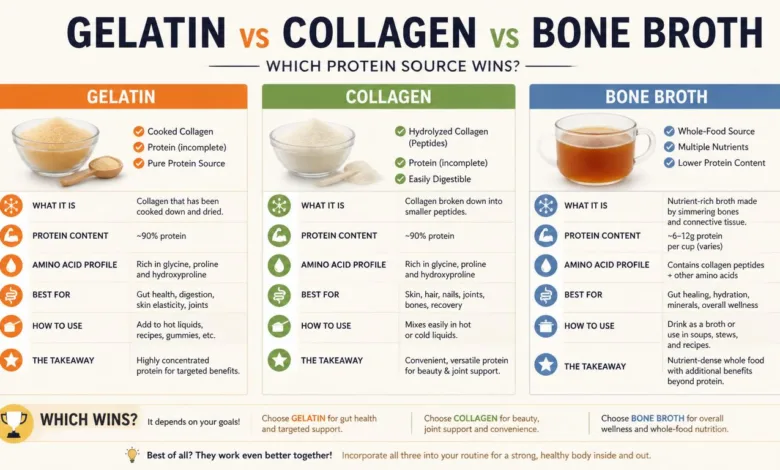
Understanding gelatin, collagen, and bone broth as interconnected components can simplify your knowledge of these nutritional powerhouses. Imagine them as distinct yet closely related points on a continuum of health benefits, each contributing to our overall well-being in unique ways.
The Fundamentals of Collagen
At the foundation of this spectrum lies collagen. This essential protein makes up a significant portion of our body’s connective tissues, bones, skin, and cartilage. As the most abundant protein in the human body, collagen serves as the building block for many crucial structures. When discussing gelatin and bone broth, it’s important to recognize that both are derived from collagen.
The Transformation into Bone Broth
Bone broth is created by gradually simmering collagen-rich animal parts, such as bones and connective tissues, in water and applying continuous heat for an extended period, typically ranging from 12 to 24 hours. This process extracts collagen from the bones, dissolving it into the liquid and transforming it into gelatin, while also infusing the broth with minerals like calcium and magnesium. The result is a nutrient-dense, flavorful liquid, steeped in culinary tradition as one of humankind’s earliest sources of dietary collagen.
The Essence of Gelatin
Gelatin, in its essence, is a processed form of collagen that appears as a powdered substance. It becomes visible when bone broth is allowed to cool and firm up, creating a jelly-like texture. Commercial gelatin powder is merely concentrated and dehydrated gelatin, providing an easy way to incorporate collagen into various recipes.
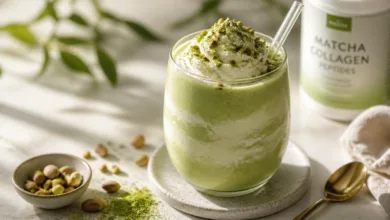
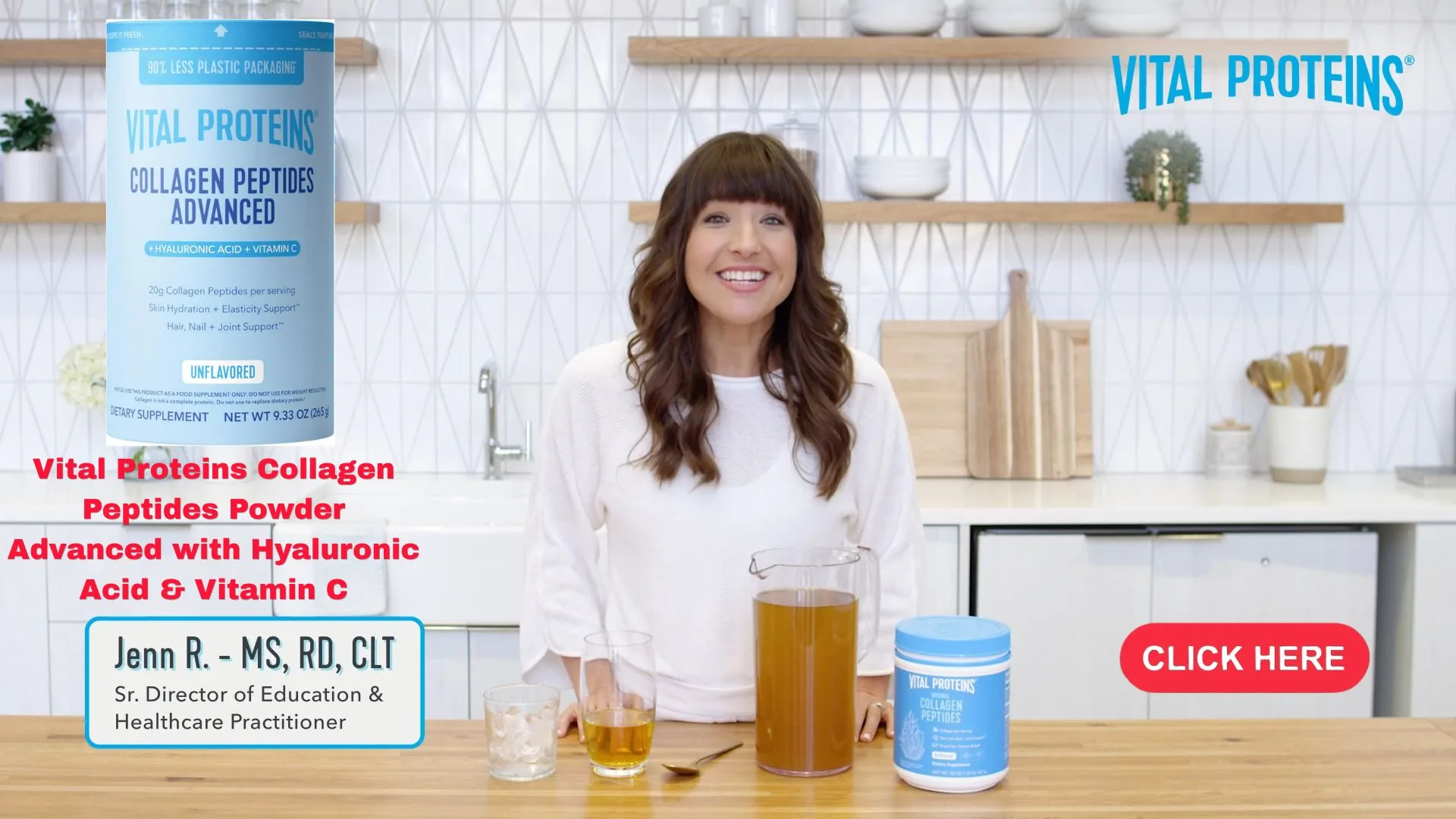
Collagen peptides take things a step further by breaking down gelatin into smaller, more easily absorbed fragments known as peptides. These dissolvable particles can be seamlessly added to any liquid, such as morning coffee or smoothies, without altering the texture of your drink.
Nutritional Benefits
All three of these products are rich in amino acids vital to the collagen protein family, particularly glycine, proline, and hydroxyproline. These amino acids are found in much higher quantities in gelatin and bone broth compared to standard protein sources like muscle meat, eggs, or plant-based proteins.
Bone broth stands out as the most natural whole food option, offering collagen amino acids in their slightest processed form alongside a wealth of minerals. The time-honored method of preparing high-quality bone broth at home yields one of the most nutrient-dense foods available. A well-made bone broth not only serves as a comforting dish but also enriches your diet, providing a savory base for soups, stews, and sauces.
Comparisons of Uses
While homemade bone broth is undeniably wholesome and comforting, it is a food rather than merely an ingredient. As a result, it does not blend into recipes as easily as powdered alternatives. This is where gelatin powder comes into play. This concentrated version of bone broth offers the same health benefits but is more versatile in culinary applications. One tablespoon of gelatin powder can yield a protein content comparable to a cup of bone broth, and it excels in recipes that require a firm texture such as confections, desserts, or jellies.
On the other hand, collagen peptides are invisible allies in daily nutrition. Their water-soluble nature means they dissolve effortlessly in any liquid, making them perfect for those who want to increase their collagen intake without significantly altering their diet.
Choosing Bone Broth: Homemade vs Store-Bought
When it comes to bone broth, the quality can vary dramatically between homemade and commercially available products. A nourishing homemade broth created from a mixture of beef knuckle bones, chicken frames, and feet—cooked low and slow for 12 to 24 hours—will firm into a gel when refrigerated, a strong indicator of its gelatin content.
Contrastingly, many store-bought broths, even those labeled as collagen-rich, may lack sufficient gelatin and may not set when cooled. Making your own broth allows you to select high-quality ingredients, ensuring that your end product is nutritious and free of additives often found in commercial varieties. It also gives you complete control over ingredients, flavors, and nutritional profile.
The Art of Making Bone Broth
While the thought of making bone broth can sound daunting, the process is relatively straightforward and requires minimal active cooking time. Using a slow cooker or pressure cooker can streamline the endeavor even further. Here’s a simple recipe for creating a nourishing bone broth at home, complete with enhancements of gelatin and collagen powder.
Recipe for Nourishing Bone Broth with Gelatin and Collagen Boost
Ingredients for 6 to 8 Cups
- 1 kilogram of mixed bones (ideally beef knuckle bones and chicken feet)
- 2 medium carrots, roughly chopped
- 2 celery stalks, roughly chopped
- 1 medium onion, halved (retain skin for flavor)
- 4 garlic cloves, unpeeled and lightly crushed
- 2 tablespoons apple cider vinegar
- 1 teaspoon whole black peppercorns
- 2 bay leaves
- A small bunch of fresh thyme or rosemary
- 2 to 3 liters of cold filtered water
- 1 tablespoon unflavored gelatin powder (added post-cooking)
- 1 tablespoon collagen peptide powder (added post-cooking)
Instructions
-
Roast the Bones: Preheat your oven to 200 degrees Celsius. Spread the bones on a roasting tray and roast for 25 to 30 minutes until they’re browned and slightly caramelized. This step greatly enhances the flavor of your broth.
-
Prepare the Broth: Transfer the roasted bones to a large pot or slow cooker. Add the chopped vegetables, garlic, peppercorns, bay leaves, and herbs. Pour in the apple cider vinegar, allowing the mixture to sit for 30 minutes—this helps extract collagen and minerals more effectively.
-
Add Water and Simmer: Submerge the ingredients altogether with cold filtered water. Bring it to a gentle simmer over medium heat for 20 to 30 minutes, skimming off any foam that rises to the surface.
-
Slow Cook: Once simmering, reduce the heat to the minimum. A gentle simmer for ideally 18 to 24 hours will yield the best results, maximizing collagen extraction. If using a slow cooker, set it to low during this time.
-
Strain the Broth: Once the cooking time is completed, pour the broth through a fine mesh strainer into a heatproof container, discarding the solids. Let it cool slightly.
-
Boost the Gelatin and Collagen: In a small bowl, bloom the gelatin in a bit of cold water for about three minutes. Once bloomed, incorporate it into the warm broth and stir until completely dissolved. Add the collagen peptide powder and whisk until smooth.
-
Season and Store: Lightly season with sea salt. Transfer the broth into storage jars, allowing them to cool completely before refrigeration. A quality broth will firm up after chilling, confirming an abundance of gelatin.
-
Serving: Reheat desired portions in a saucepan over low heat. You can enjoy it as a warming drink or use it as a base for soups or sauces.
Tips for Best Results
- Choose high-quality bones for maximum nutrient content. Opt for grass-fed or pasture-raised options whenever possible for both beef and chicken.
- Adjust seasoning at the end of the cooking process to avoid over-salting, as flavors intensify during the long simmer.
- For enhanced clarity, strain the broth through a fine mesh strainer lined with cheesecloth to remove any remaining particles.
Storing and Meal Prepping
Homemade bone broth can be stored in the refrigerator for up to five days in sealed glass jars. For longer-term storage, freeze the broth in ice cube trays, then transfer the frozen cubes into a sealed freezer bag for up to six months. This method allows for easy use in cooking without needing to thaw an entire container.
Exploring Variations
Get creative with your bone broth! Here are a few ideas to enhance your basic recipe:
-
Saffron Golden Bone Broth: Infuse a pinch of saffron steeped in water into your broth before serving for a golden hue and additional flavor.
-
Ginger and Turmeric Anti-Inflammatory Broth: Add fresh ginger and ground turmeric during the last hours of cooking to benefit from their anti-inflammatory properties.
-
Lemon Herb Collagen Broth: Finish each serving with a squeeze of fresh lemon and a sprinkle of herbs like parsley for added freshness and vitamin C.
-
Spiced Warming Broth: Incorporate warming spices like cinnamon, star anise, and cardamom during cooking for a comforting evening drink.
-
Mixed Berry Collagen Gummies: Utilize the gelatin in fun, fruity homemade gummies to enjoy the benefits of collagen in a sweet treat form.
Health Benefits of Bone Broth
The advantages of consuming bone broth, along with its gelatin and collagen components, are well-supported by research. Rich in glycine, bone broth has been shown to improve sleep quality and help reduce daytime fatigue. Regular intake can boost collagen synthesis, contributing to healthier skin, stronger joints, and a well-functioning gut lining.
The minerals extracted during the long cooking process, particularly calcium and magnesium, provide essential support for maintaining bone density and overall muscle and nerve function, making bone broth a nutrient-rich addition to any diet.
Conclusion
Gelatin, collagen, and bone broth are synergistic elements that enhance your nutritional repertoire rather than competing products. Each offers unique benefits, making them complementary allies in a wholesome kitchen. Bone broth serves as a rich foundation for your meals, gelatin powder acts as a versatile ingredient for creative recipes, and collagen peptides provide daily support for enhancing your overall health and well-being.
Start your journey with an easy-to-follow homemade bone broth recipe this weekend. Not only will you fill your kitchen with delightful aromas, but you will also create a nutritious base for meals throughout the week, contributing to your holistic approach to health. Enjoy the nourishing benefits these ingredients provide and enhance your culinary creations for a healthier lifestyle.