Best Collagen Boosting Foods for Healthy Glowing Skin
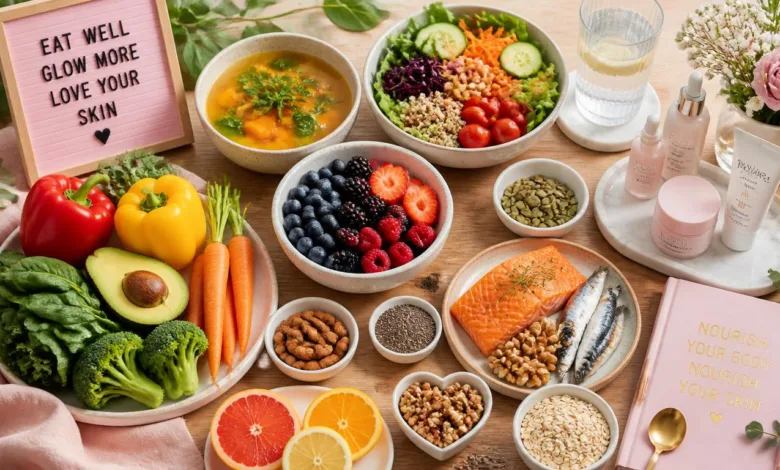
There is an increasing amount of evidence demonstrating that your diet has a more immediate and prominent effect on your skin than many people believe. For years, the skincare industry has emphasized that the secret to achieving firm, radiant, and youthful skin lies in products applied from the outside. However, research increasingly indicates that significant improvements in skin texture, elasticity, and hydration stem from what you consume rather than just what you apply externally.
The foundation of the skin’s structure is collagen, a primary structural protein found in the dermis, the skin’s deeper layer responsible for its firmness and elasticity. Although the body naturally produces collagen, this process begins to wane after the age of 25, with an approximate annual decline of one percent. By the time most women reach their mid-40s, they may have lost around 20 to 25 percent of their skin’s original collagen. This is when the visible signs of diminished skin firmness and texture become evident.
The encouraging news is that certain foods and dietary habits can effectively boost the body’s collagen production, slow down its breakdown, and protect the existing collagen from oxidative damage. This comprehensive guide explores major food categories that promote skin collagen, highlights the science behind each item, and provides practical, delicious ways to incorporate them into your daily meals.
It is important to note that the information in this article is intended for educational purposes and should not substitute professional medical advice. Always consult your healthcare provider or a qualified nutritionist before making significant dietary changes, especially if you have any underlying health conditions.
The Inside-Out Approach to Collagen
While discussions about collagen often center on topical products, it’s vital to understand that collagen molecules found in creams are generally too large to penetrate the dermis, where they would be most effective. Instead, the collagen applied to the skin merely remains on the surface, providing a temporary boost in hydration appearance without restructuring the skin’s collagen network.
In contrast, dietary support for collagen operates from within. When you consume collagen-rich foods or those that encourage collagen synthesis, the body breaks these down into amino acids and peptides, which then enter the bloodstream. They travel directly to the tissues that need them, including the dermis. Research has shown that specific collagen peptides absorbed through the digestive system can stimulate fibroblast cells in the skin, prompting them to increase their collagen production in response—an essential process that no topical treatment can replicate.
Thus, enhancing skin collagen through diet involves two complementary strategies. The first is supplying essential amino acid building blocks needed for new collagen synthesis. The second is incorporating cofactors and protective compounds that facilitate collagen production and safeguard existing collagen from degradation. Both strategies will be addressed in the foods and recipes outlined in this guide.
The Power of Bone Broth: A Nutritional Goldmine

Bone broth stands out as one of the most concentrated natural sources of dietary collagen. By simmering collagen-rich bones in water for 12 to 24 hours, the collagen breaks down and infuses the broth, transforming it into a gelatinous and nourishing elixir. Quality homemade bone broth solidifies into a gel when chilled, signifying a rich content of Types I and III collagen, glycine, proline, hydroxyproline, along with vital minerals such as calcium, magnesium, and phosphorus.
The gelatin in bone broth provides glycine and proline in their most bioavailable form. Glycine plays a crucial role in synthesizing new collagen fibers, maintains gut health, and acts as a calming neurotransmitter beneficial for sleep quality. Proline is a significant component of collagen’s triple helix structure, helping to enhance skin firmness and resilience.
Making your own bone broth gives you complete control over its quality and collagen content. A wise approach includes using a mix of beef knuckle bones, beef feet, and chicken bones or feet, ensuring a broader range of collagen types as well as maximizing gelatin yield. Adding a small amount of apple cider vinegar to the cold water before cooking enhances the extraction of minerals and collagen from the bones.
For those opting for convenience, many commercial bone broths are available. Look for products with certified collagen content that gel when cool, and a clean ingredient list without artificial additives or excessive sodium.
Fostering Collagen with Fish: Nature’s Marine Source
Fatty fish, particularly varieties such as salmon, mackerel, sardines, and trout, contribute to skin collagen in two notable ways. Firstly, the omega-3 fatty acids in these fish help protect existing skin collagen from inflammatory deterioration and uphold the lipid barrier, maintaining skin hydration and resilience.
Secondly, fish skin itself is an excellent source of Type I marine collagen, which is essential for skin elasticity and firmness. Its molecular structure closely resembles human collagen, making it a prime candidate for studies and product formulations targeting skin health. Consuming fish skin, or creating stock from fish bones and skin, provides substantial amounts of collagen through food rather than supplements.
A systematic review of randomized controlled trials published on PubMed found consistent evidence affirming the role of marine-derived compounds in safeguarding skin cells from oxidative damage while supporting the structural integrity of skin tissue over time. To maximize skin benefits, aim to include wild-caught options and eat the skin when possible.
The Benefits of Berries: Antioxidants for Skin Protection
Berries serve two crucial roles in supporting skin collagen. They are rich in vitamin C, which is vital for collagen synthesis, and also packed with antioxidants that shield the existing collagen from oxidative damage caused by factors like UV radiation, pollution, and metabolic stress.
Vitamin C is an indispensable cofactor for the enzymes involved in stabilizing collagen, ensuring that the collagen structures are sound. Without sufficient vitamin C, the body struggles to produce adequate collagen, regardless of the availability of other amino acid precursors. This is evident in cases of clinical scurvy, where the symptoms often relate to collagen failure.
Strawberries, blueberries, raspberries, blackberries, and blackcurrants are among the richest sources of vitamin C, as well as anthocyanins and polyphenols—antioxidants that combat free radical damage. Research has shown that berry phenolic compounds exhibit significant antioxidant effects, reducing oxidative stress markers and protecting cellular structures.
For the best results, incorporate a variety of berries into your diet regularly. Different types of berries contain varying antioxidant compounds that work together to provide comprehensive protection.
Leafy Greens: Nutrients for Collagen Support
Vegetables like spinach, kale, Swiss chard, and mixed salad greens are nutrient-dense foods that provide substantial benefits for skin collagen health. Their contributions extend beyond just vitamin C. Leafy greens also supply vitamin A from beta-carotene, which helps regulate skin cell turnover and promotes new collagen production by fibroblasts.
Vitamin K found in these greens is crucial for the carboxylation of proteins that maintain skin and connective tissue integrity. Additionally, carotenoids such as lutein and zeaxanthin, abundant in spinach and kale, have protective qualities against UV-induced damage.
Cooking leafy greens lightly can enhance the absorption of fat-soluble carotenoids. A drizzle of olive oil on sautéed spinach or other greens can significantly increase the bioavailability of these beneficial compounds compared to consuming them raw.
Eggs: A Holistic Collagen Source
Eggs are one of the most complete single foods beneficial for skin collagen support. Egg whites supply glycine and proline, essential amino acids for collagen synthesis, while the yolk offers biotin, vitamin A, and zinc—nutrients critical for skin cell production and collagen cofactor activity.
Additionally, the eggshell membrane, often discarded, contains a rich array of collagen types, including Types I, V, and X, along with hyaluronic acid and other beneficial compounds. Many collagen supplements are now made from dried eggshell membranes due to their impressive nutrient profile.
Incorporating whole eggs into your diet—around two to three per day—provides a solid foundation of amino acids and cofactors critical for supporting skin collagen. Any preparation style you enjoy will work, making eggs a versatile addition to your meals.
The Unique Properties of Saffron
Saffron stands out as a significant ingredient for enhancing skin health and collagen production. Emerging research highlights its antioxidant, anti-inflammatory, and photo-protective qualities pertinent to preserving collagen. The active elements in saffron, including crocin and safranal, have demonstrated the ability to protect skin cells from oxidative stress and reduce inflammatory markers that can speed up collagen breakdown.
Innovatively, you can add a small pinch of saffron to your collagen-containing recipes, bone broth, or even your daily beverages like golden milk or collagen lattes. This combination not only enhances flavor but also provides additional antioxidant protection for collagen.
Citrus Fruits and Rosehip: The Vitamin C Powerhouses
Citrus fruits like oranges, lemons, limes, and grapefruit are among the most concentrated natural sources of vitamin C, an essential component for collagen synthesis. Additionally, these fruits contain flavonoids that inhibit collagenase, an enzyme that breaks down existing collagen.
Rosehip, on the other hand, is exceptional due to its high natural vitamin C concentration, often surpassing that of many citrus fruits. Incorporating rosehip tea, syrup, or powder into your daily routine can contribute significantly to your vitamin C intake.
Rosehip also boasts trans-retinoic acid, a form of vitamin A known for supporting collagen synthesis when applied topically and providing benefits when consumed.
Nuts and Seeds: Essential Minerals for Collagen Synthesis
Zinc and copper are two essential trace minerals critical to collagen synthesis, found abundantly in nuts and seeds. Zinc activates collagenase, the enzyme responsible for organizing newly formed collagen fibers effectively. Meanwhile, copper promotes cross-linking of collagen fibers, enhancing the tensile strength of mature skin collagen.
Pumpkin seeds are exceptional for their high zinc content and healthy fats that protect skin collagen. Walnuts provide alpha-linolenic acid, a plant-based omega-3, along with vitamin E, which synergizes with vitamin C to safeguard collagen from oxidative damage. Incorporating a diverse mix of nuts and seeds into your daily diet, such as in salads or as snacks, ensures consistent intake of these beneficial trace minerals.
Creating the Ultimate Collagen Skin Bowl
This nourishing collagen skin bowl combines multiple powerful ingredients for a delightful meal that supports skin health and collagen production. Ideal for lunch, light dinners, or meal prepping, this recipe offers a goldmine of nutrients.
Ingredients for Two Servings:
- One cup of bone broth (warmed)
- Two handfuls of baby spinach or mixed leafy greens
- One fillet of wild-caught salmon or two sardines in olive oil
- Half an avocado (sliced)
- A generous handful of mixed berries (blueberries, strawberries, raspberries)
- Two tablespoons of pumpkin seeds
- A squeeze of fresh lemon juice
- A small pinch of saffron steeped in one tablespoon of warm water for ten minutes
- A drizzle of high-quality extra virgin olive oil
- Sea salt and black pepper to taste
Instructions:
- In a small saucepan, warm the bone broth over low heat. Add the saffron-infused water and stir gently.
- Arrange the baby spinach at the base of a wide bowl.
- Pour the warm saffron bone broth over the spinach and allow it to wilt lightly for about thirty seconds.
- Flake the salmon over the spinach or arrange the sardines alongside.
- Add the sliced avocado, scatter the mixed berries, and sprinkle the pumpkin seeds on top.
- Squeeze fresh lemon juice over everything, drizzle with olive oil, and season with sea salt and black pepper.
- Serve immediately while the broth is warm, ensuring the greens maintain their vibrant color.
This collagen bowl brings together amino acids from bone broth, marine collagen and omega-3 fatty acids from the fish, vitamin C and antioxidants from berries and lemon, vitamins A and K from leafy greens, as well as nutrients from pumpkin seeds. These ingredients work synergistically in a single meal.
Building Consistency for Lasting Skin Benefits
For maximum skin benefits, consistency is key. Collagen synthesis is a gradual biological process, operating over weeks and months rather than instantaneously. A single collagen-rich meal offers limited advantages compared to repeatedly enjoying such meals weekly over time.
Make these nutrient-rich foods a permanent part of your diet, rather than a short-term experiment, to achieve visible, lasting changes. Always ensure to pair your collagen-rich sources with a source of vitamin C at the same meal. This essential cofactor is crucial for collagen synthesis, making it imperative that the amino acids consumed for collagen production are accompanied by adequate vitamin C.
Safeguarding What You Have: Protecting Your Collagen
Taking proactive steps to protect your existing skin collagen is as vital as building new collagen. The leading cause of premature collagen breakdown is UV exposure, which produces free radicals that assault collagen fibers. Including antioxidants from berries, leafy greens, saffron, and vitamin E-rich nuts can help neutralize these free radicals and reduce collagen degradation.
Reducing your intake of sugar and refined carbohydrates can also make a significant difference. Glycation occurs when sugar molecules attach to collagen, causing stiffness and disorganization that leads to breakdown. Lowering sugar consumption can have a substantial positive effect on protecting skin collagen.
Finally, maintaining proper hydration is crucial, as collagen fibers in the dermis hold water as part of their structure. Hydrated skin appears plumper and more resilient. Drinking adequate amounts of water supports skin health independently of collagen synthesis, complementing all dietary strategies.
Meal Prep and Storage: Convenience is Key
The collagen skin bowl can be made fresh for immediate consumption, but all its components can be prepped ahead, making it convenient for a busy lifestyle. Bone broth can be stored in the refrigerator for up to five days or frozen for six months. Pre-portioning it into single servings ensures easy access on busy days.
Cooked salmon stays fresh in the refrigerator for three days, while sliced avocado can be kept with the pit and a splash of lemon juice to slow browning for up to one day. Berries will generally last in the fridge for about three to five days, so with thoughtful preparation, assembling this nourishing bowl in under three minutes during any mealtime is effortless.
The Bottom Line: Embrace the Journey
A balanced diet rich in collagen-boosting foods provides the essential nutrients necessary for optimal skin health. This approach takes into account all stages of collagen production and protection, ensuring that you are building new collagen while simultaneously safeguarding what exists.
It all begins with the small choices you make every day—preparing bone broth on weekends, enjoying salmon with skin, mixing berries into your breakfast yogurt, or sprinkling saffron into your recipes. These sustainable habits accumulate over time to yield genuinely noticeable results. The evidence is clear: what you eat influences your skin’s quality and collagen levels.
Choosing to embrace this knowledge today can profoundly impact your skin’s future health and appearance. Starting now, rather than procrastinating, paves the way for a healthier, more radiant complexion.